Get your free personalized podcast brief
We scan new podcasts and send you the top 5 insights daily.
While Cleveland was not an ideal refining location, it offered access to both rail and Great Lakes shipping. Rockefeller exploited this by playing the two transport modes against each other, securing lower rates than landlocked competitors who were captive to a single railroad.

Related Insights
Proximity to consumers gives cities a strategic advantage for industries that add weight (e.g., water in beverages) late in production. This minimizes shipping costs for heavy final products, attracting companies like Ocean Spray to Allentown.

After failing to block the rival Tidewater Pipeline, Rockefeller changed tactics. Recognizing pipelines were the future, he didn't just copy the idea; he built four superior pipelines of his own, surrounded the original, and ultimately absorbed the disruptive technology into his own dominant system.
The founder realized that being in New York was expensive for sourcing ingredients from the Midwest and shipping nationally. He strategically moved his operations to Indianapolis, a central hub, to optimize both inbound and outbound logistics.

Rockefeller identified transportation as his largest expense and made it his obsession. Instead of just minimizing this cost, he transformed it into a strategic weapon, negotiating secret rebates that not only lowered his costs but also generated profit from competitors' shipments, effectively funding his monopolistic expansion.

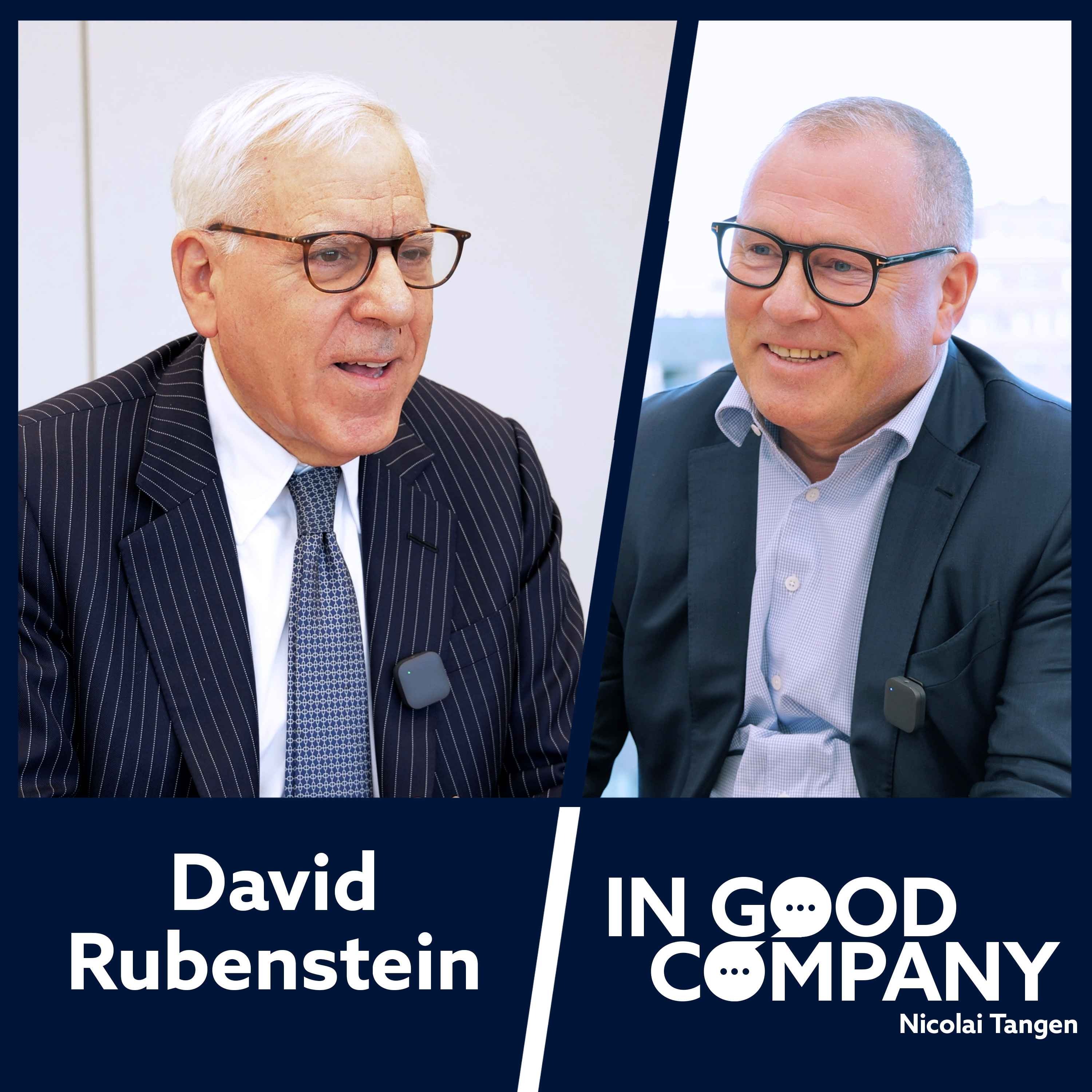
Instead of competing in saturated New York, David Rubenstein founded Carlyle in Washington D.C. He leveraged the location by specializing in government-affected industries like aerospace, creating a unique expertise that Wall Street couldn't easily replicate. This strategy turned a perceived geographic disadvantage into a powerful, defensible market niche.
Rockefeller's drive for consolidation was fueled by his belief that the greatest competitive threat came from failing businesses. Desperate to survive, these "weak" players would slash prices irrationally, destroying market stability for everyone. This insight reframes his monopolistic actions as a quest for order.
Increasing global oil production is meaningless if the crude cannot be safely transported. The real challenge in modern energy conflicts is not total supply, but the logistical risk of moving it through contested chokepoints like the Strait of Hormuz, making transportation the primary driver of price instability.
The Supreme Court's dissolution of Standard Oil had a stunning unintended consequence. Wall Street quickly realized the individual component companies were worth far more apart than together. Rockefeller, owning a quarter of each new entity, saw his fortune triple, turning legal defeat into his biggest financial victory.
Rockefeller created a refiners' association, predicting its failure due to the members' lack of discipline. As its president, he gained full access to his competitors' financials and operations. This allowed him to identify competent operators to acquire as partners and weaker ones to eliminate, all under the guise of cooperation.
Flexport's CEO highlights the huge, untapped potential of U.S. river systems for container shipping. Increased trade with Latin America could make New Orleans a premier port, but union contracts prevent the development of this cheaper, greener, and more efficient alternative to road and rail transport.
