Get your free personalized podcast brief
We scan new podcasts and send you the top 5 insights daily.
Brad Gerstner reveals that despite having broad bipartisan support, his Invest America initiative only moved forward after a direct, decisive call from the President to the Speaker of the House. This highlights that large-scale social change often requires a singular "founder moment" of executive action to break through legislative gridlock.

Related Insights
Rahm Emanuel clarifies his famous quote, "never let a good crisis go to waste." It's not about celebrating disaster, but about recognizing that crises disrupt the status quo and create rare opportunities to push through ambitious changes that were previously blocked by political inertia, turning instability into a catalyst for progress.

Unlike politicians who push a pre-set agenda, Trump engages business leaders by asking what their biggest problems are and what he can do to help. This listening-first approach, followed by direct action, builds powerful alliances and is a key feature of his political style.
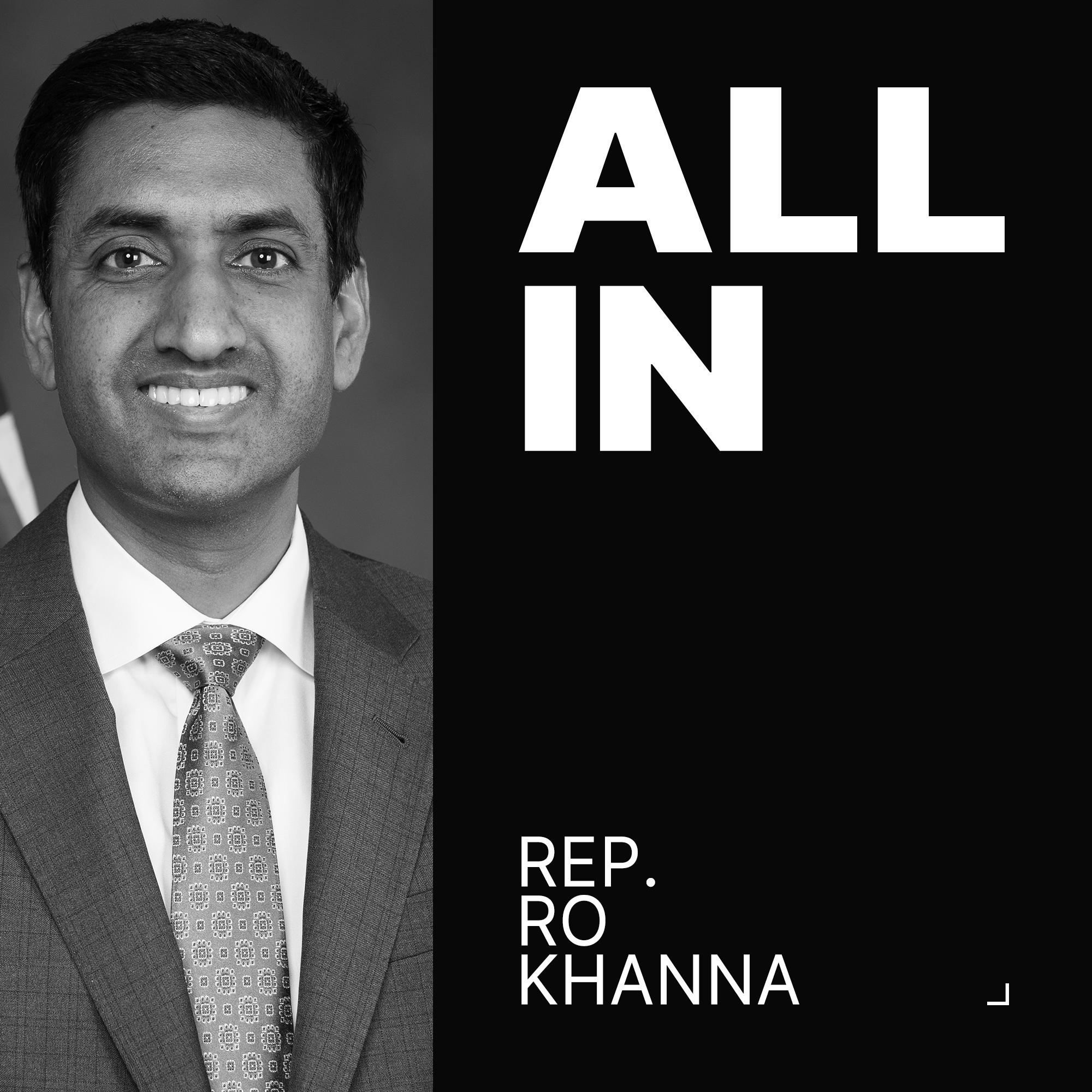
While public support is vital, movements don't just happen. They require specific individuals who act as catalysts. The British abolitionist movement, for example, is inseparable from Thomas Clarkson, who was the first person to envision a national public campaign and dedicate his life to it, turning a latent issue into a powerful political force.
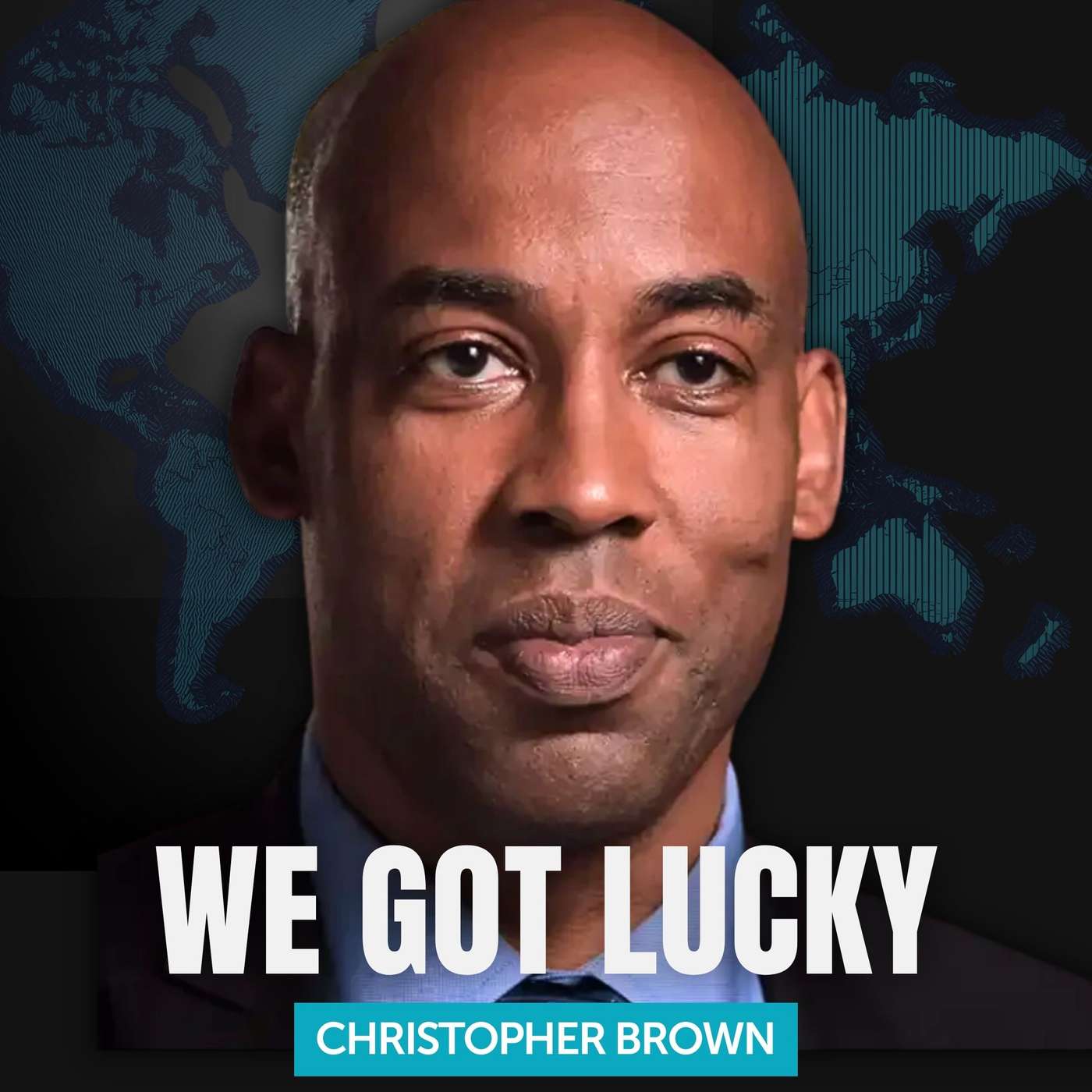
To create lasting change in government, innovators must operate with extreme speed to "rip out old roots and plant new seeds." The goal is to replace entrenched systems and prove the value of new ones so quickly that they become resilient and difficult for a subsequent administration to undo.
Investors should not over-react to congressional turbulence. Many of the most market-relevant policies—on trade, regulation, industrial strategy, and AI—are executed via executive authority, not congressional action. This means their trajectory is unlikely to be altered by events like a shutdown or shifting political dynamics in Congress.

When engaging policymakers, complaining about a problem is ineffective. The key is to frame the issue as an urgent but solvable challenge. Presenting a clear solution empowers officials to become heroes, dramatically accelerating the path from discussion to legislative action, as seen with the two-month journey from op-ed to presidential recommendation.

Unlike typical consensus-driven politicians, Donald Trump is described as acting with the urgency of a startup founder, making decisions and taking action in real-time to solve problems, which accelerates policy execution.

Brad Gerstner consistently describes the Invest America initiative using tech startup metaphors like "platform," "Series C," and an "IPO" of 70 million accounts. This framing helps attract tech-focused partners and philanthropists by presenting the social program as a scalable, high-growth venture rather than a static government program.
Despite expected legislative gridlock, investors should focus on the executive branch. The president's most impactful market tools, such as tariff policy and deregulation via executive agencies, do not require congressional approval. Significant policy shifts can therefore occur even when Congress is divided and inactive.
Archer's CEO distinguishes between two administrations: one offered passive, framework-level support, while the other actively engaged with meetings and executive orders. This highlights that for regulated industries, a government partner that 'actionizes' policy is far more valuable than one that simply agrees in principle.