Get your free personalized podcast brief
We scan new podcasts and send you the top 5 insights daily.
When designing its $1M student guarantee, Founders School rejected a net profit metric. They realized it would create a perverse incentive, discouraging students from reinvesting in growth (hiring, ads) to protect the net number. Using gross profit better aligns incentives with long-term business building.

Related Insights
Many founders use "reinvesting profits" as an excuse to avoid scrutinizing their P&L. Without rigorous tracking, this becomes a blank check to roll money back into the business without measuring ROI. Profitable companies should actively take profits and be intentional about how and where capital is reinvested.

By promising a tuition refund if students don't earn $1M by graduation, Alpha School shifts the goal from academic metrics to tangible achievement, creating extreme accountability for the institution.

To prevent students from building trivial businesses for markets they know (e.g., school, other teens with no money), the school's first requirement is developing deep expertise in a specific domain. This forces them to find a real competitive advantage before ever building a product.
A new high school for entrepreneurs, backed by Nat Friedman, offers a powerful guarantee: students must make $1 million by graduation, or their tuition is fully refunded. This exemplifies an extreme form of incentive alignment in education, designed as a marketing offer that is "stupid to say no to."

The high school's new entrepreneurship program includes a bold guarantee: if a student completes the program and doesn't achieve $1 million in profit by a certain point, their $150,000 annual tuition is refunded. This 'PMF or Die' model aligns the school's incentives directly with the tangible business success of its students.

The audacious guarantee—a $600K tuition refund if a student doesn't earn $1M gross profit—is an internal forcing function. It pressures the school to deliver tangible results and avoid the common pitfall of merely “playing startup,” which plagues most entrepreneurship programs.
This model focuses on rapid cash conversion by making gross profit from a new customer in the first 30 days exceed twice the cost of acquiring and serving them. This self-funding loop eliminates cash flow as a growth constraint, allowing for aggressive scaling.

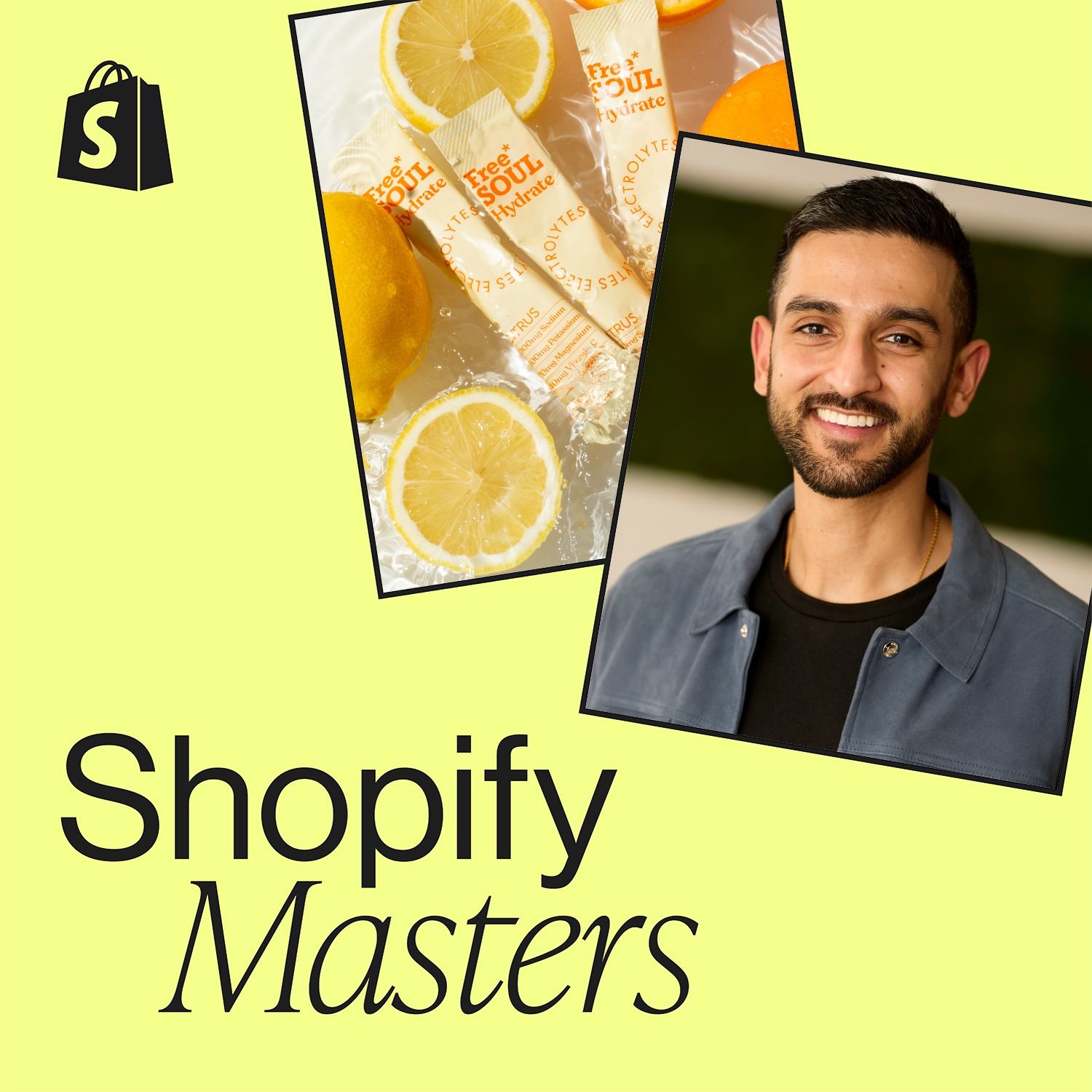
Without VC funding, Free Soul couldn't afford to acquire customers at a loss. Their core financial rule was that customer acquisition costs must be lower than the gross margin on the very first purchase, a strict focus on unit economics that fueled their sustainable growth.
Prioritize decisions that increase your business's sellable value (enterprise value) over just maximizing short-term profits. This involves strategically reinvesting profits to de-risk the business and build durable, long-term revenue streams, creating a more valuable asset.

Obsessing over gross margins for an early-stage company is a mistake. Investors should encourage founders to focus on immediate challenges like product-market fit and growth. Margin optimization is a problem to be solved several years down the line, once the business's foundation is solid.