Get your free personalized podcast brief
We scan new podcasts and send you the top 5 insights daily.
The European biotech's US listing strategy is threefold: to be present in its primary commercial market, to offer stock options to attract and retain specialized American talent, and to access a deeper pool of specialist investors that is unavailable in Europe's fragmented public markets for growth companies.
Related Insights
Despite a resurgent U.S. IPO market, Axiom Biosciences is choosing Hong Kong for its public debut. This is not a move of necessity but a deliberate strategy to access a different investor pool interested in cell and gene therapy and to gain proximity to the Asian biotech market, challenging NASDAQ's default status.

Neoc Bio is conducting its Phase 1 trials exclusively in the United States. The CEO identifies this as a strategic choice, believing that generating clinical data solely from the US will be viewed more favorably by American investors, regulators, and potential partners, positioning the company for future financing and development success.

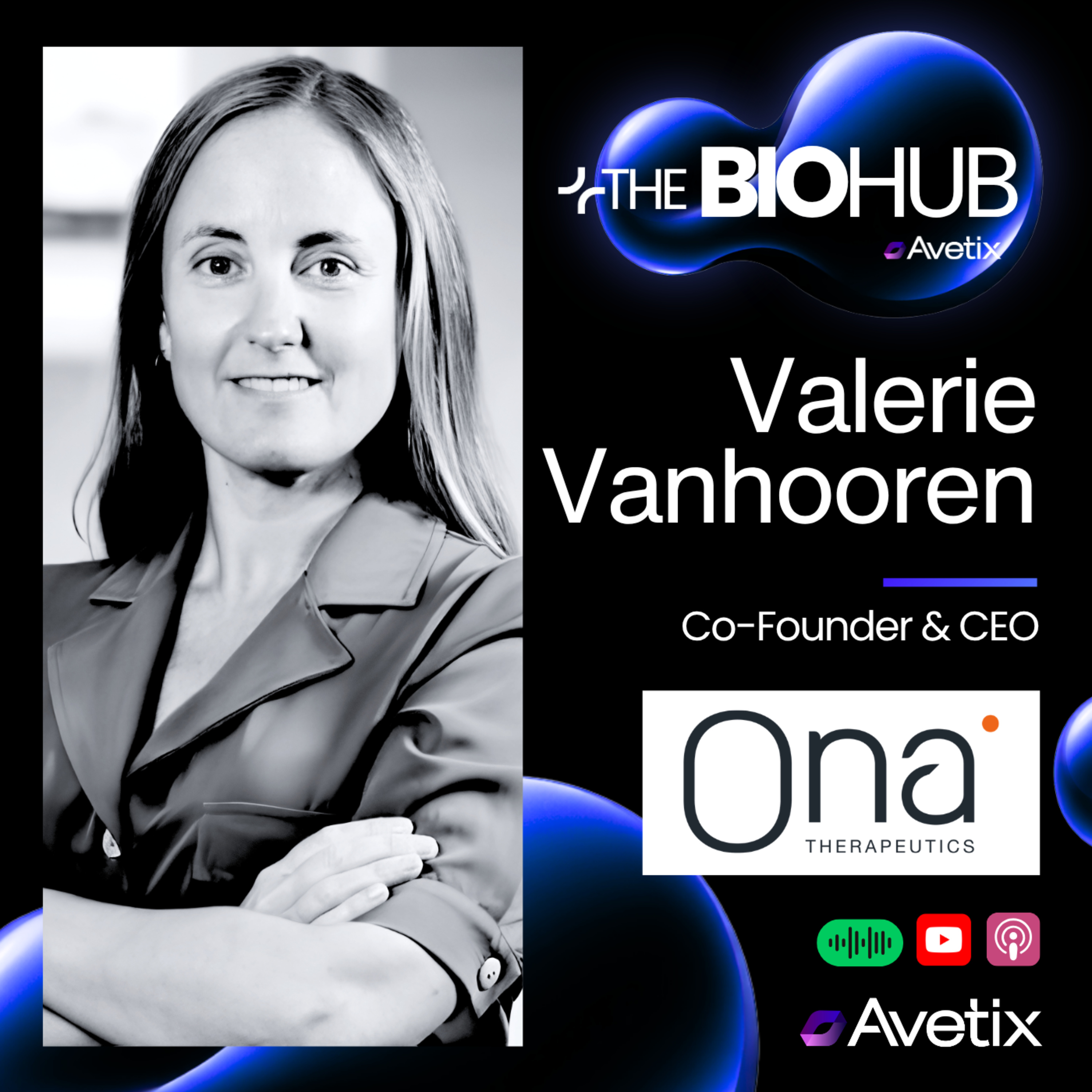
While the US leads in capital access, Ona Therapeutics' CEO highlights a key European advantage: the ability to hire top-tier scientific talent at a significantly lower cost. A scientist in Barcelona, for instance, costs much less than one in Boston but can be equally skilled and satisfied with their compensation.
While staying private can offer strategic advantages, particularly for future M&A, the biotech industry lacks a mature private growth capital market. Companies needing hundreds of millions for late-stage trials have no choice but to go public, unlike their tech counterparts.

Pouletty warns that while a NASDAQ listing provides capital, it often leads to US investor pressure to replace European leadership with American executives. This shift in management can change the company's culture and center of gravity, ultimately making it an American company that is more easily acquired by US pharma giants.

Neoc Bio's structure is a strategic play to bridge biotech ecosystems. It leverages the bispecific antibody R&D engine and initial funding from its Korean parent, ABL Bio, to establish a US-based entity. This model is designed specifically to attract US investors, talent, and capital markets to accelerate the development of its ADC pipeline.
Complement Therapeutics intentionally built a presence across the UK, Germany, and the US to optimize talent acquisition. This cross-geographical structure allows them to hire the best experts in a specialized field like gene therapy, irrespective of their location, without being constrained by a single talent pool or dealing with complex relocations.

Despite discussions of European self-reliance, its capital markets remain inadequate for scaling biotech companies. Over the past 10 years, only three biotechs managed to raise over €100 million in an IPO on a European exchange, compared to 27 European biotechs that achieved this on NASDAQ in the same period.

Unlike in tech where an IPO is often a liquidity event for early investors, a biotech IPO is an "entrance." It functions as a financing round to bring in public market capital needed for expensive late-stage trials. The true exit for investors is typically a future acquisition.

A successful biotech IPO isn't about attracting the public; it's about securing commitments from crossover investors beforehand. These investors must "bring their own beer to the party" by participating in the IPO. Their presence validates the company, stabilizes the offering, and is essential for attracting generalist funds later.
