Get your free personalized podcast brief
We scan new podcasts and send you the top 5 insights daily.
The age of AI has eliminated the comfortable middle ground for GTM careers. Leaders must now choose one of two paths: embrace extreme intensity to drive massive, venture-scale growth, or opt for a less demanding role at a slower-growth company.

Related Insights
The key for go-to-market leaders to stay relevant is hands-on experience with AI. Instead of delegating, leaders should personally select an AI tool, ingest data, and go through the iterative training process. This firsthand knowledge is a rare and highly valuable skill.

The operating model for SaaS has inverted post-2021. Previously, growth came at the cost of declining efficiency ('200% headcount to grow 100%'). The new benchmark is to achieve hyper-efficiency at the margin, demanding teams grow revenue at double the rate of their headcount expansion.
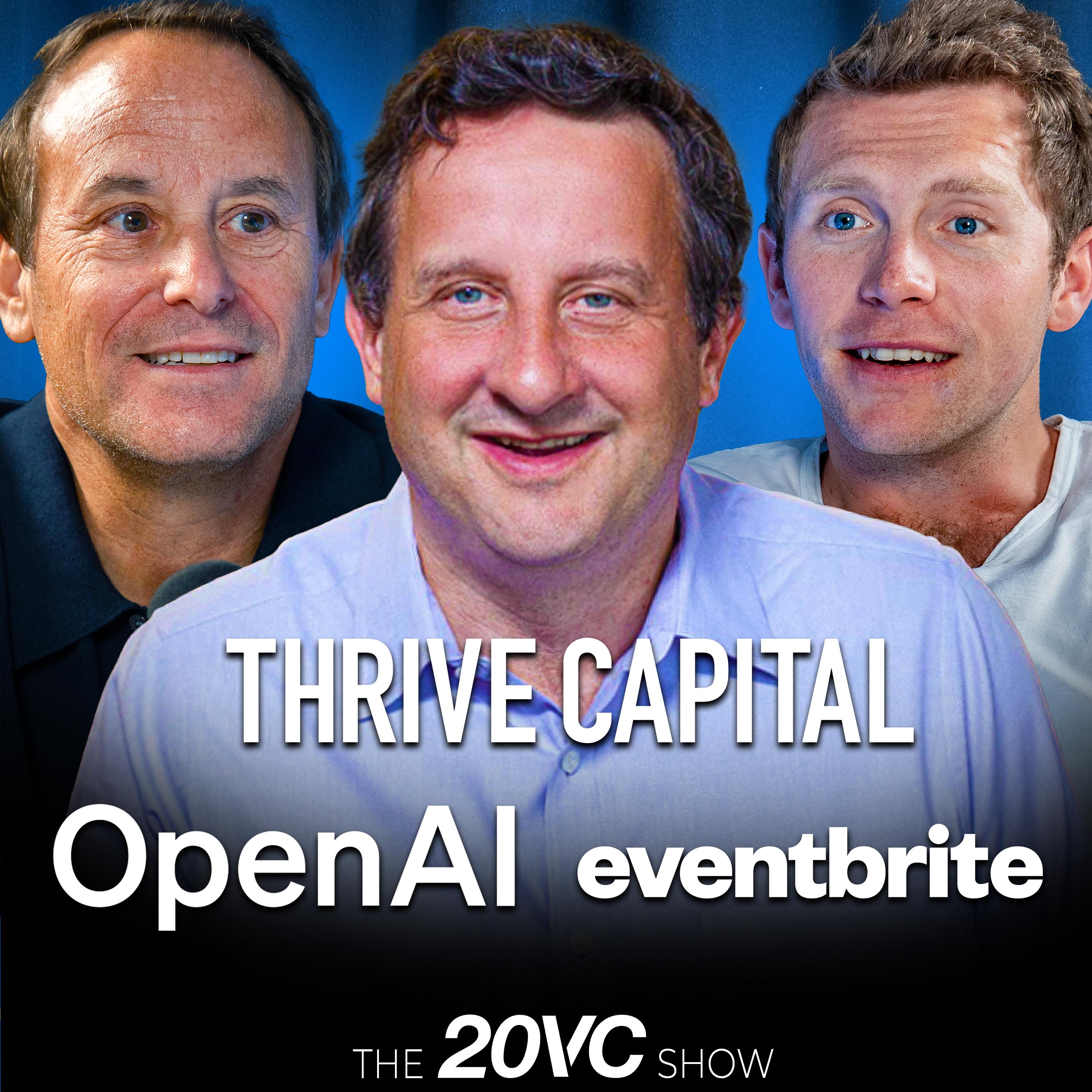
The CRO of Personio frames the ultimate question for AI's impact on GTM not as incremental efficiency, but as transformational growth. The true north star is whether the company can double its business with existing headcount, shifting the default from hiring more people to solving problems with AI first.
To stay valuable, marketers must polarize their skills to either end of the spectrum. You must either be incredibly technical—able to deploy AI workflows like an engineer—or operate at the outer edges of creativity and storytelling. The 'good enough' skills of the messy middle will be automated away.

Large companies will increasingly use AI to automate rote tasks and shrink payrolls. The safest career path is no longer a stable corporate job but rather becoming an "n of 1" expert who is irreplaceable or pursuing a high-risk entrepreneurial venture before the window of opportunity closes.

Companies are replacing traditional, siloed sales assembly lines with a centralized "GTM Engineer." This technical role uses AI and automation tools to build revenue systems, absorbing the manual research and prospecting work previously done by individual reps. This allows for rapid learning and scaling of creative ideas across the entire team.

Leaders can no longer delegate technical understanding. They must grasp how AI fundamentally changes processes—not just automates old ones—to accurately forecast multiplier effects (e.g., 1.2x vs. 10x) and set credible team objectives that move beyond simple 'lift and shift' improvements.

In the AI era, marketing and growth roles are splitting into two distinct archetypes: the 'tastemaker' who has exceptional creative taste and intuition, and the 'engineer' who can technically analyze and orchestrate complex systems. Being average at both is no longer a viable path to success.

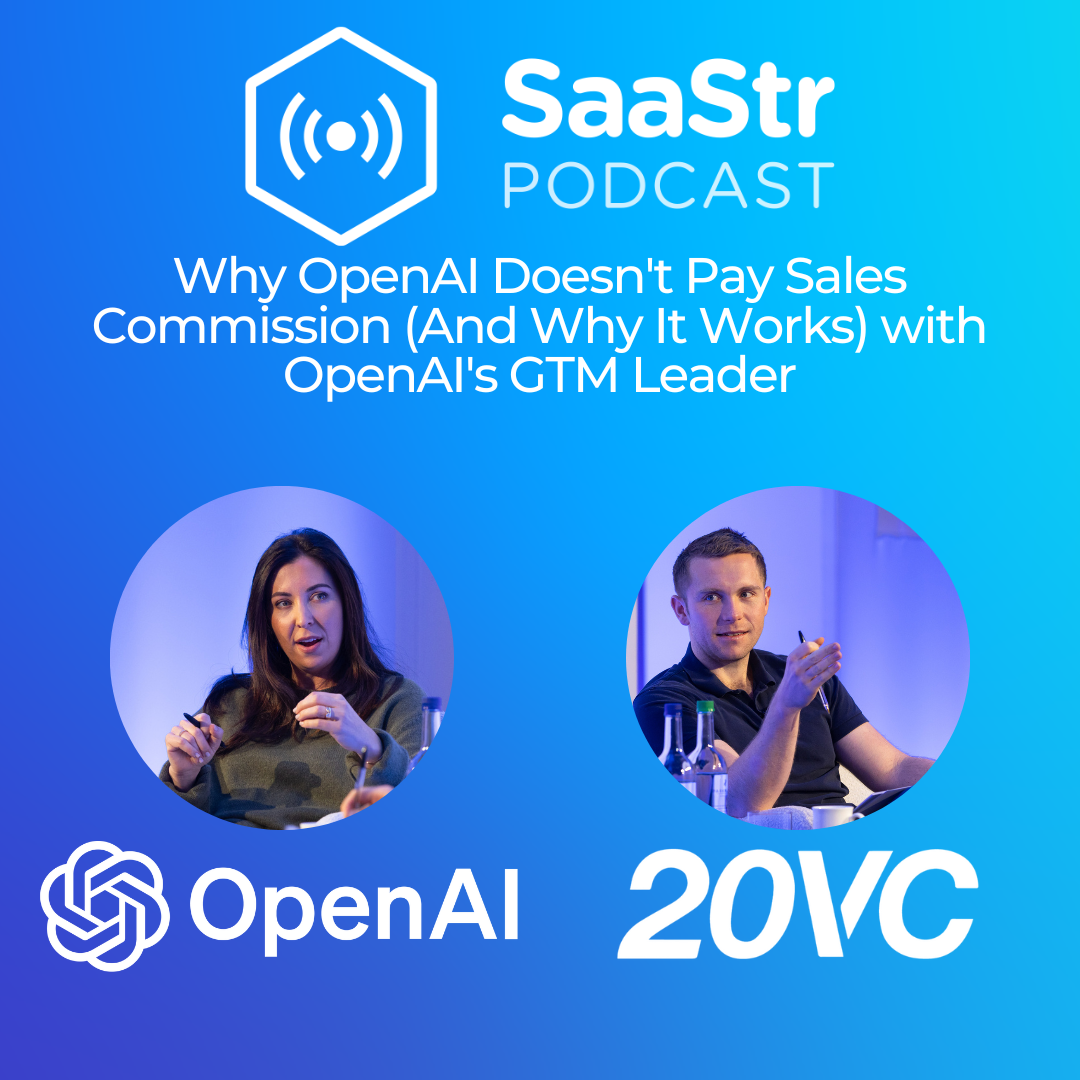
The fastest career acceleration comes from being inside a hyper-growth company, regardless of your initial title. The experience gained scaling a 'rocket ship' is far more valuable than a senior title at a slower-moving business. The speaker herself took a step down from Senior Director to an individual contributor role to join OpenAI.
AI will handle most routine tasks, reducing the number of average 'doers'. Those remaining will be either the absolute best in their craft or individuals leveraging AI for superhuman productivity. Everyone else must shift to 'director' roles, focusing on strategy, orchestration, and interpreting AI output.