Get your free personalized podcast brief
We scan new podcasts and send you the top 5 insights daily.
To market its fund IPOs to a retail audience, Robinhood streamed roadshows on YouTube and posted on social media. Because of strict regulations designed for institutional offerings, this modern approach required them to file every tweet and LinkedIn post as an official roadshow document on the SEC's EDGAR system, pushing the boundaries of financial compliance.

Related Insights
To better engage its retail investor base, Opendoor's IR team rapidly shifted from traditional audio calls to video livestreams on platforms like Robinhood. This strategy meets modern investors where they are, rather than forcing them into staid, institutional Wall Street forums, demonstrating that even compliance functions can innovate.

By reimagining dull earnings calls as engaging media events with live video and retail investor Q&A, Robinhood increased its audience from hundreds to over 100,000. CEO Vlad Tenev borrowed from the entertaining, unscripted format of NBA post-game interviews to better connect with all shareholders.
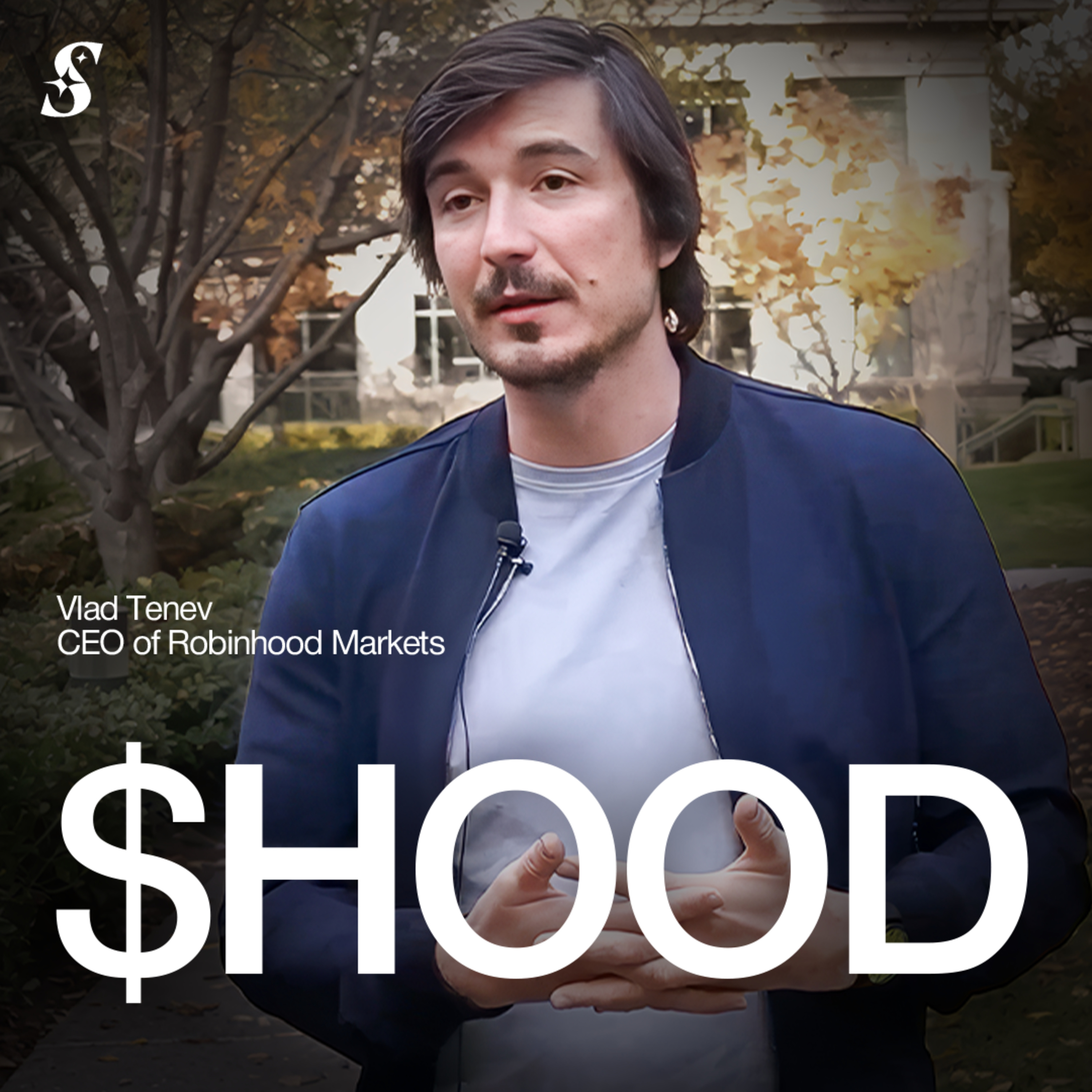
To win competitive deals against top VCs, Robinhood offers more than capital. It pitches founders on the strategic value of building a retail investor base early, giving loyal customers 'skin in the game,' and creating a stronger narrative for an eventual IPO. This aligns with founders' missions to democratize wealth creation.
Robinhood's initial attempt to tokenize private shares faced disavowal from the companies themselves, who were concerned about reputation and lack of control. This forced Robinhood to shift its strategy towards a more collaborative, regulator-friendly closed-end fund model to provide retail access.

To better engage retail investors, Robinhood transformed its quarterly earnings calls into live, video events modeled on post-game NBA press conferences. This format is more engaging for viewers, allows retail shareholder questions, and is now attracting other public companies to follow suit.

To maintain high velocity, Robinhood integrates legal and compliance partners into product development from the very beginning. By making them co-owners of the product vision, they become creative problem-solvers rather than end-stage blockers, which is crucial for shipping quickly in a regulated industry.
To overcome adverse selection and win competitive private market deals, Robinhood differentiates itself from traditional VCs. Its pitch to hot startups is unique access to a base of 'mom and pop' retail investors as stakeholders, a value proposition no other venture capital firm can offer.
Only 1% of Americans can access private investments due to accreditation rules, high minimums, and illiquidity. Robinhood's publicly traded venture funds are designed to bypass these barriers, giving average investors access to the value creation of companies like OpenAI and Anthropic before they go public.
By creating a publicly traded fund of private startup stocks, Robinhood is opening the insulated world of private market valuations to retail investor sentiment. The fund's stock price could trade at a significant premium or discount to its underlying asset value, mirroring the behavior of meme stocks and creating valuation distortions.

Beyond providing access to late-stage private companies, CEO Vlad Tenev's ultimate ambition is to enable retail investors to participate in the earliest stages of company formation. He believes the first capital into a company should have retail participation, a radical shift from the current accredited-investor model.