Get your free personalized podcast brief
We scan new podcasts and send you the top 5 insights daily.
Anthropic's claim that its Mythos model is too dangerous for public release is viewed skeptically as a savvy marketing strategy. This narrative justifies gating access, which helps manage immense compute costs and prevents competitors from distilling the model's capabilities, all while generating significant hype and demand from high-paying enterprise clients.

Related Insights
Anthropic's strategy of releasing its Mythos security model to CISOs first is a masterclass in selling fear. By framing their powerful new AI as a "terrifying weapon," they create demand for the very same product as the defense, effectively manufacturing a market for their solution.

Anthropic chose not to release its first model, Claude 1, before ChatGPT despite seeing its power. They worried it would trigger a dangerous "arms race" and decided the commercial cost of waiting was worth the potential safety benefit for the world.

Anthropic is forcing developers using tools like OpenClaw to pay for API access separately from consumer subscriptions. This move, driven by compute constraints and pre-IPO financial discipline, indicates the era of venture-subsidized, low-cost AI usage is ending as model providers must cover massive compute expenses.

From OpenAI's GPT-2 in 2019 to Anthropic's Mythos today, AI labs have a history of claiming new models are too dangerous for public release. This repeated pattern, followed by moderate real-world impact, creates public skepticism and risks undermining trust when a truly dangerous model emerges.

The rhetoric around AI's existential risks is framed as a competitive tactic. Some labs used these narratives to scare investors, regulators, and potential competitors away, effectively 'pulling up the ladder' to cement their market lead under the guise of safety.
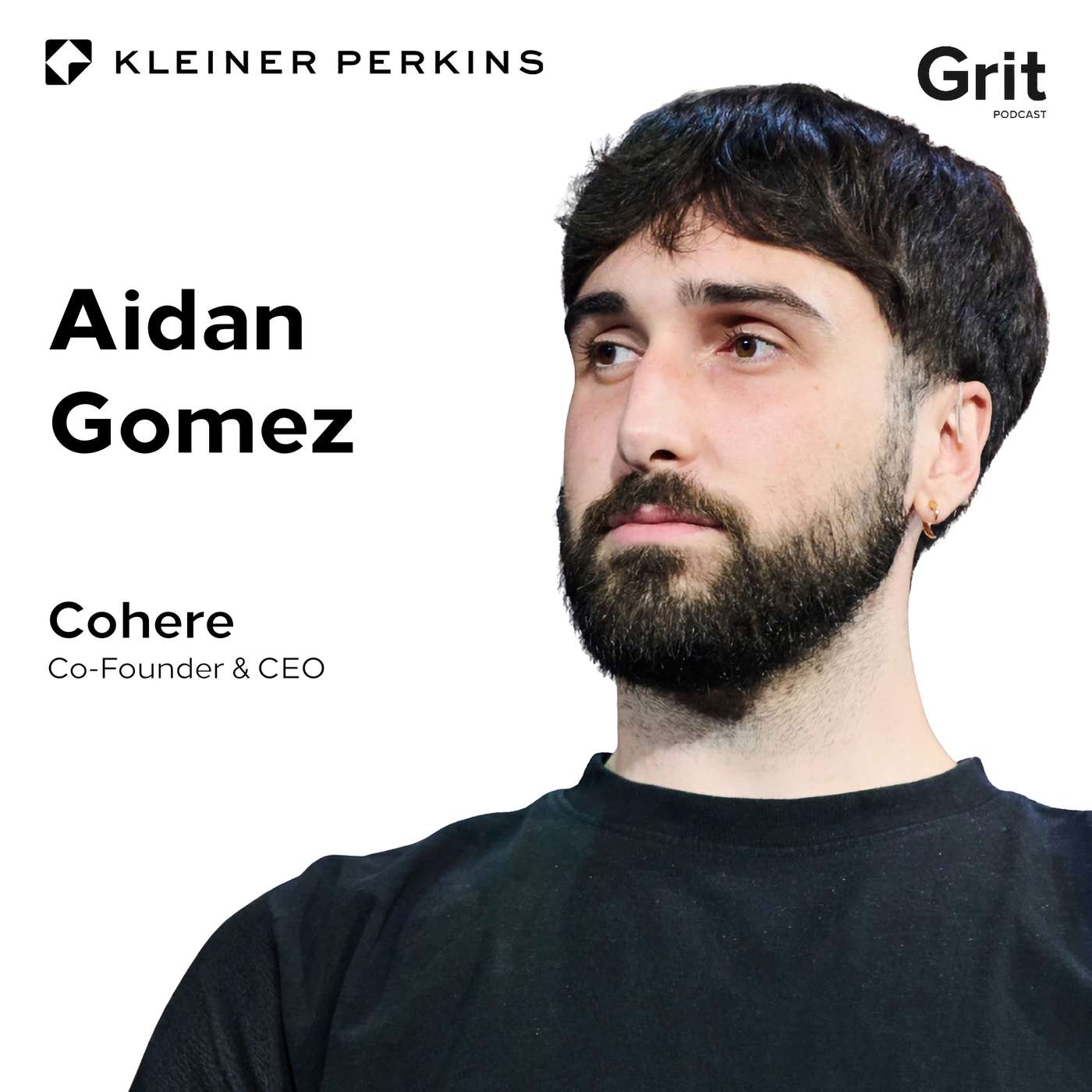
Anthropic is giving its new Mythos AI model to tech giants like Amazon and Microsoft specifically for cybersecurity. This B2B go-to-market strategy solves a critical, high-trust problem first. By proving its value in securing vital infrastructure, Anthropic can build deep enterprise relationships and drive broader adoption later.
Anthropic limited its powerful Mythos model, which finds zero-day exploits, to critical infrastructure partners. While framed as a safety measure, this go-to-market strategy also creates hype, justifies premium pricing, and prevents distillation by competitors, solidifying its brand as a responsible AI leader.
Despite a $380 billion valuation, Anthropic's CEO admits that a single year of overinvesting in compute could lead to bankruptcy. This capital-intensive fragility is a significant, underpriced risk not present in traditional software giants at a similar scale.
Skeptics argue the fear-based narrative around Mythos is a sophisticated marketing strategy. It serves as a justification for not releasing a costly, compute-intensive model to the public while building hype, projecting a lead over competitors, and focusing on high-margin enterprise clients who will pay a premium.

The most powerful AI models, like Anthropic's Mythos, are so capable of finding vulnerabilities they may be treated like weapon systems. Access will likely be restricted to approved government and corporate entities, creating a tiered system rather than open commercialization.