Get your free personalized podcast brief
We scan new podcasts and send you the top 5 insights daily.
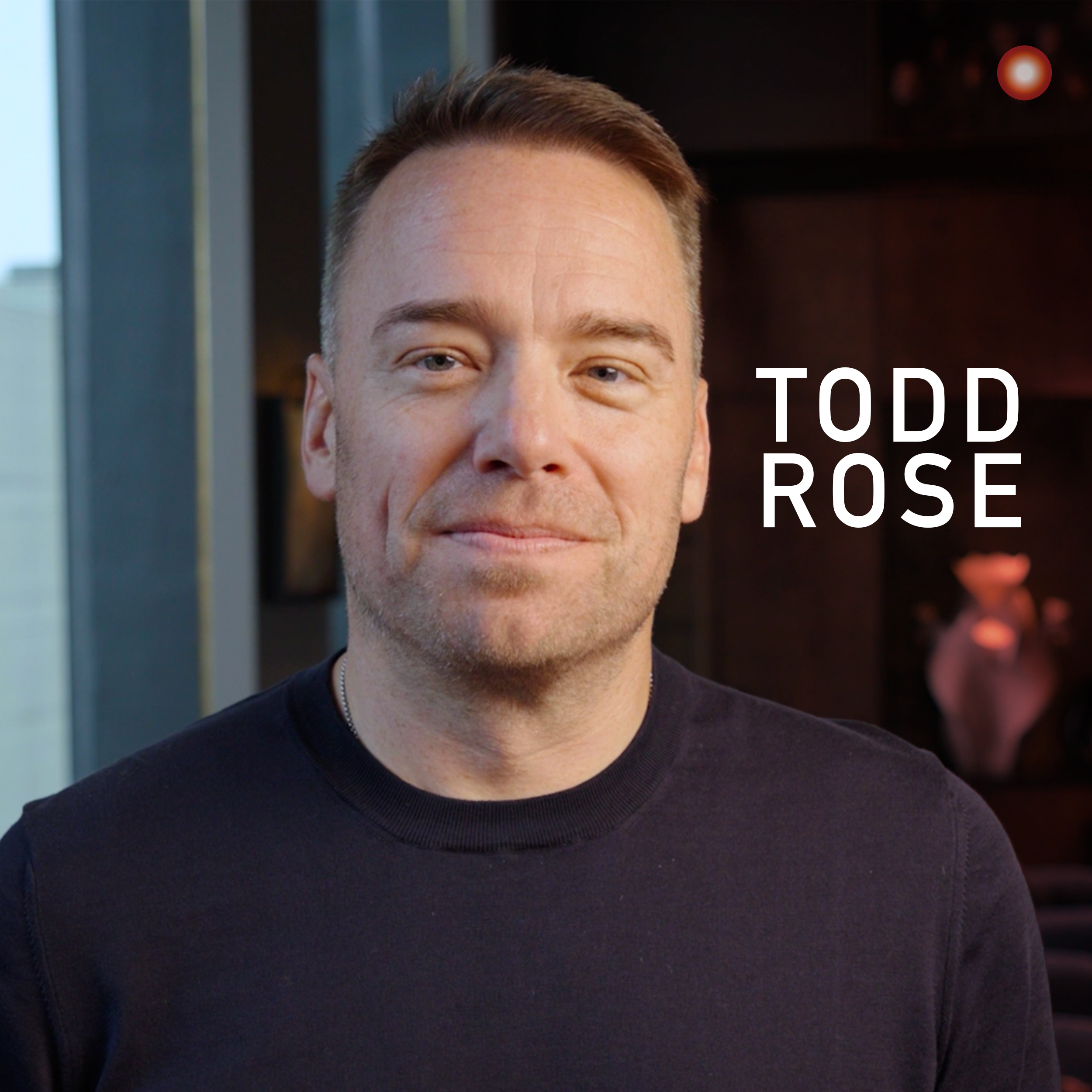
Paul Romer's core Nobel-winning insight is that ideas, unlike physical goods, are non-rival—they can be used by everyone simultaneously without depletion. This shareability enables long-term growth and shifts humanity from a zero-sum to a positive-sum world.

Related Insights
Economics can be viewed as the physics of information, where profit is the surplus created when intelligent agents organize chaos into useful order (reduce entropy) faster than the system naturally decays back into disorder.

Idealists often believe the best idea will naturally triumph. In reality, an idea's success is determined by the "innovation capital" of its champion—their credibility, network, and influence. The idea and the innovator's capital are a combined package, not separate entities.
Thriving civilizations first become masters of imitation, openly absorbing ideas and technologies from other cultures through trade and migration. This diverse pool of borrowed 'ingredients' becomes the foundation for true innovation, which is the novel combination of existing concepts.

Romer, renowned for his theoretical work, now prioritizes empirical evidence over elegant theories to avoid the hubris of being too attached to one's own models. This shift from pure theory towards data-grounded facts represents a significant evolution in his thinking.
The US has experienced four major tech-driven productivity booms in 40 years (PCs, .com, mobile, AI), while Europe has consistently missed these waves. The core reason for US dominance isn't just the technology itself, but its superior ecosystem of human capital—universities, patents, and R&D—that fuels these revolutions.

Three economists won a Nobel Prize for framing 'creative destruction' as the engine of modern progress. Unlike pre-industrial eras with stagnant growth, the last 200 years have seen constant improvement because society allows new technologies like cars to destroy old industries like horse transport.

Paul Romer argues that the process of scientific discovery often leads to 'herding,' where researchers converge on a narrow set of ideas. To foster breakthroughs, it's crucial to create incentives for expressing a wider range of views, even those far from the norm, to prevent premature consensus.
The modern 'status revolution' overturns the old paradigm that status is a finite commodity where one's gain is another's loss. In this new world, one person or group gaining status does not require another to lose it, allowing for a more equitable and peaceful societal reorganization.

Status-seeking is often a zero-sum game rooted in signaling dominance. True wealth creation is a non-zero-sum, cooperative process. Communities that prioritize cooperation build lasting wealth, while those focused on status signals often remain less prosperous.

Markets work because individuals value the same things differently, enabling transactions where both parties feel they have won. Understanding this principle of subjective value is the antidote to zero-sum thinking (like Marxism) which assumes value is objective and one person's gain must be another's loss.