Get your free personalized podcast brief
We scan new podcasts and send you the top 5 insights daily.
With AI trivializing the mechanical act of writing code, the most valuable traits for emerging engineers are no longer just technical proficiency. Instead, employers will seek demonstrated agency (the drive to build), taste (knowing what to build), and a commitment to quality.

Related Insights
With AI automating routine coding, the value of junior developers as inexpensive labor for simple tasks is diminishing. Companies will now hire juniors based on their creative problem-solving abilities and learning mindset, as they transition from being 'coders' to 'problem solvers who talk to computers.'

AI tools are commoditizing the act of writing code (software development). The durable skill and key differentiator is now software engineering: architecting systems, creating great user experiences, and applying taste. Building something people want to use is the new challenge.

As AI handles technical tasks, the value of hard skills diminishes. The most crucial employee traits become "human" qualities: buying into the company vision, emotional intelligence, and self-awareness. These are the new competitive advantages in talent acquisition.
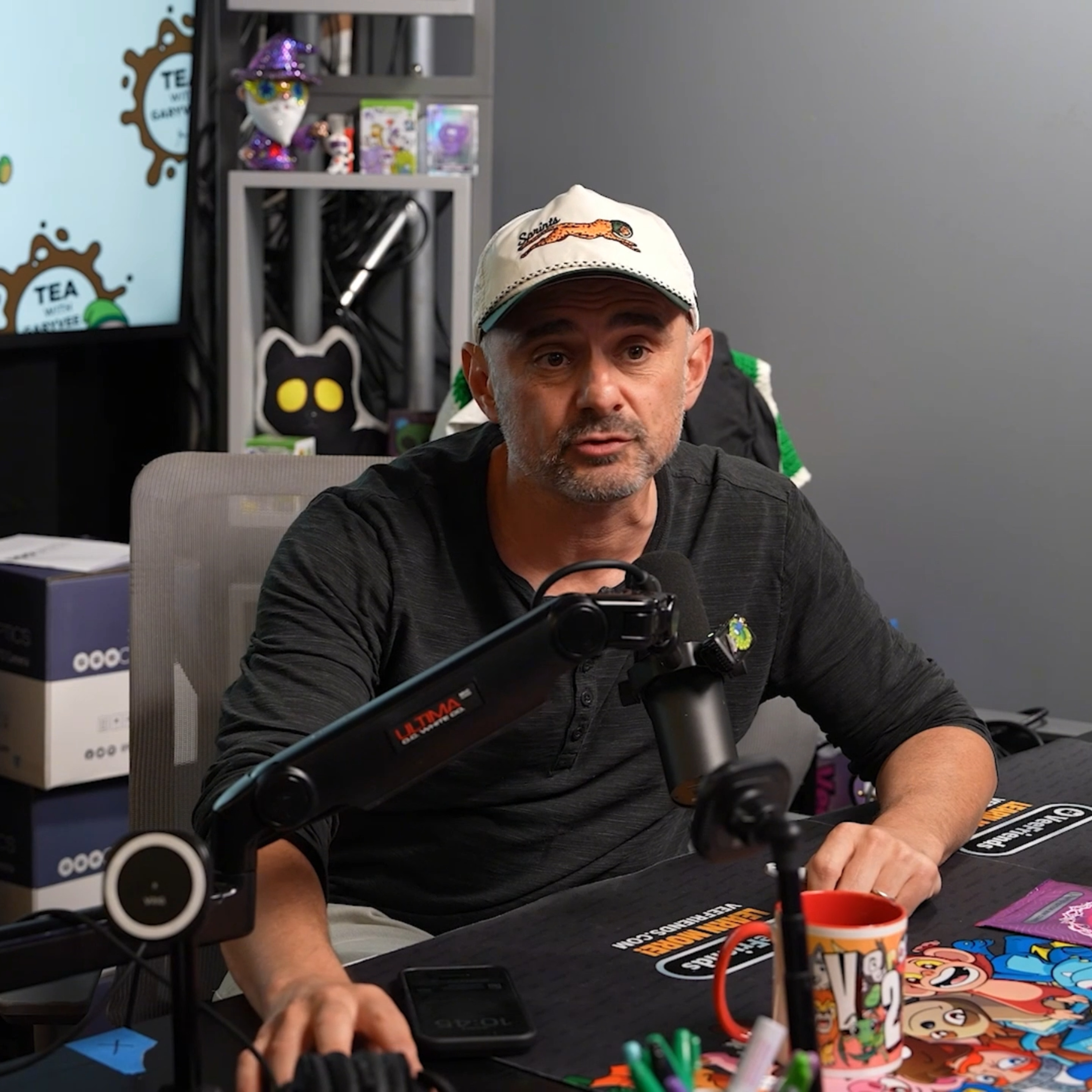
As AI agents automate code-writing, companies like WorkOS are hiring "product engineers" who possess taste, product sense, and strong communication. The stereotype of the purely technical, anti-social developer is becoming unemployable in modern tech companies.

With AI agents automating raw code generation, an engineer's role is evolving beyond pure implementation. To stay valuable, engineers must now cultivate a deep understanding of business context and product taste to know *what* to build and *why*, not just *how*.

The long-standing career advice to pursue computer science is no longer universally applicable. As AI tools increasingly automate software development, coding is becoming a 'solved problem.' The most valuable skills for the next generation will be creativity, design, and business problem-solving, rather than deep engineering expertise.

The traditional definition of a developer, centered on mastering programming languages, is becoming obsolete. As AI agents handle code generation, the most valuable skills are now clarity of thought, understanding user needs, and designing robust systems, opening the field to new personas.

Technical implementation is becoming easier with AI. The critical, and now more valuable, skill is the ability to deeply understand customer needs, communicate effectively, and guide a product to market fit. The focus is shifting from "how to build it" to "what to build and why."

With AI handling execution, the differentiating skills for knowledge workers are no longer technical. Instead, value comes from having a distinct vision (taste), the initiative to pursue it (agency), and the ability to organize complex projects (structure).

Top engineers are no longer just coding specialists. They are hybrids who cross disciplines—combining product sense, infrastructure knowledge, design skills, and user empathy. AI handles the specialized coding, elevating the value of broad, system-level thinking.