Get your free personalized podcast brief
We scan new podcasts and send you the top 5 insights daily.
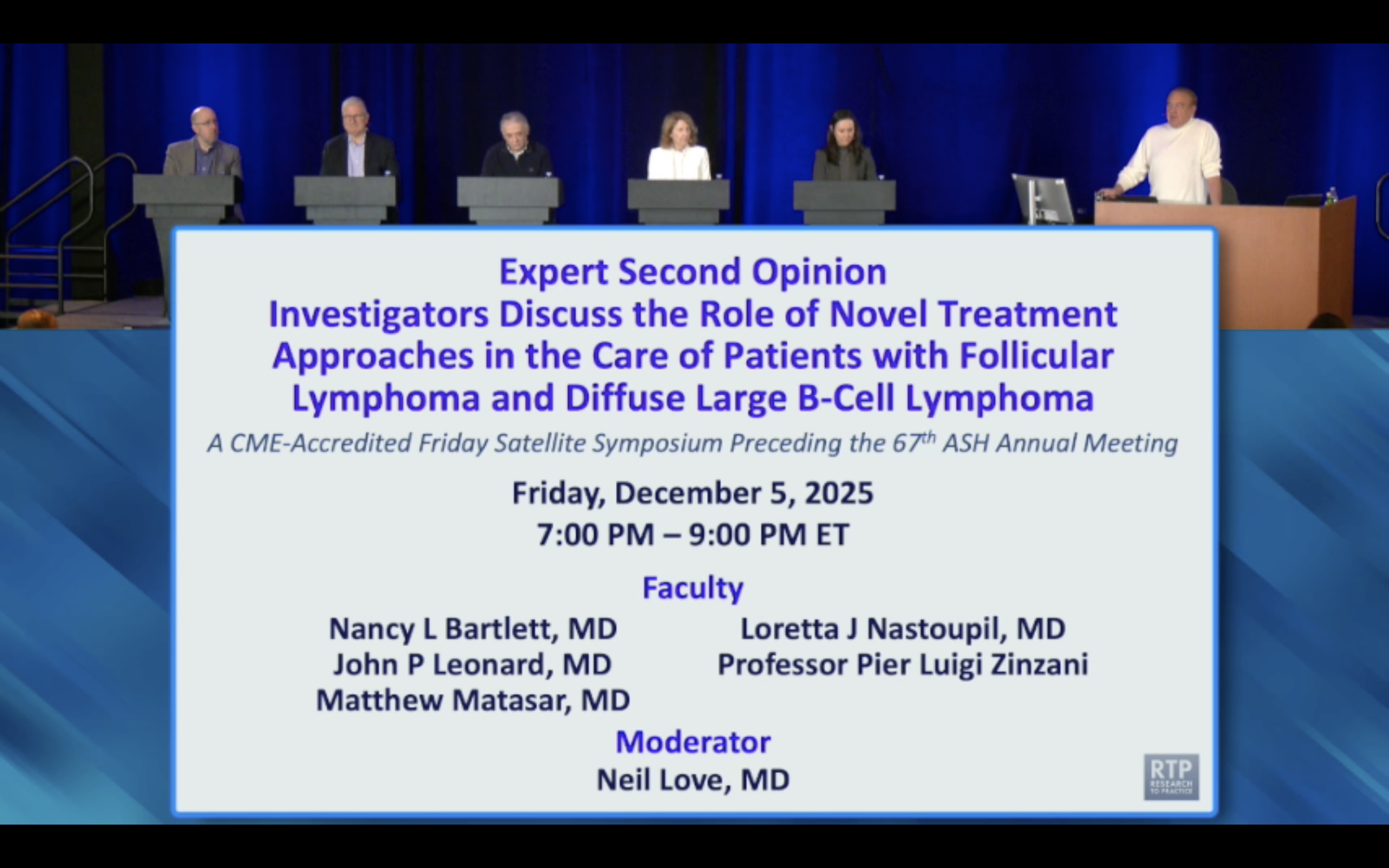
The acute toxicity risk during the initial ramp-up phase of bispecific antibodies (like CRS and ICANS) makes them challenging to manage in a typical community oncology setting. A safer model involves academic centers managing the high-risk initiation period before transitioning the patient back to their community provider for ongoing care.

Related Insights
The full FDA approval of the T-cell engager tarlatumab introduces significant logistical hurdles. Due to the high risk of Cytokine Release Syndrome (CRS), which occurred in over 50% of patients, the label requires 22-hour on-site monitoring after the first two doses. This presents practical challenges for outpatient infusion centers and requires new patient support infrastructure.

Prophylactically administering tocilizumab before bispecific antibody treatment can slash the incidence of cytokine release syndrome (CRS) from ~75% down to 20%. This simple intervention, analogous to using G-CSF for neutropenia, mitigates side effects and makes outpatient administration a much safer and more feasible option for patients.
The sequence of therapies like bispecifics and CAR-T critically impacts future options and outcomes. This necessitates early, strategic collaboration between community oncologists and academic centers to plan a patient's entire treatment journey, not just the next immediate step.

A modified three-step-up dosing schedule for epcoritamab drastically reduced cytokine release syndrome (CRS) rates to 26%, with no severe events. This safety profile supports fully outpatient administration, making this highly effective regimen accessible to community practices without immediate hospital access.
Beyond efficacy, new therapies like bispecifics require significant institutional support. Clinicians need training for unfamiliar side effects like CRS, and facilities need resources like observation units and admission protocols, creating a steep implementation curve for clinical practice.

Combining the ADC Loncastuximab before a bispecific antibody may lower the bispecific's toxicity, potentially through a debulking effect. This surprising finding suggests a strategy to improve the tolerability and delivery of bispecifics, especially in community settings.

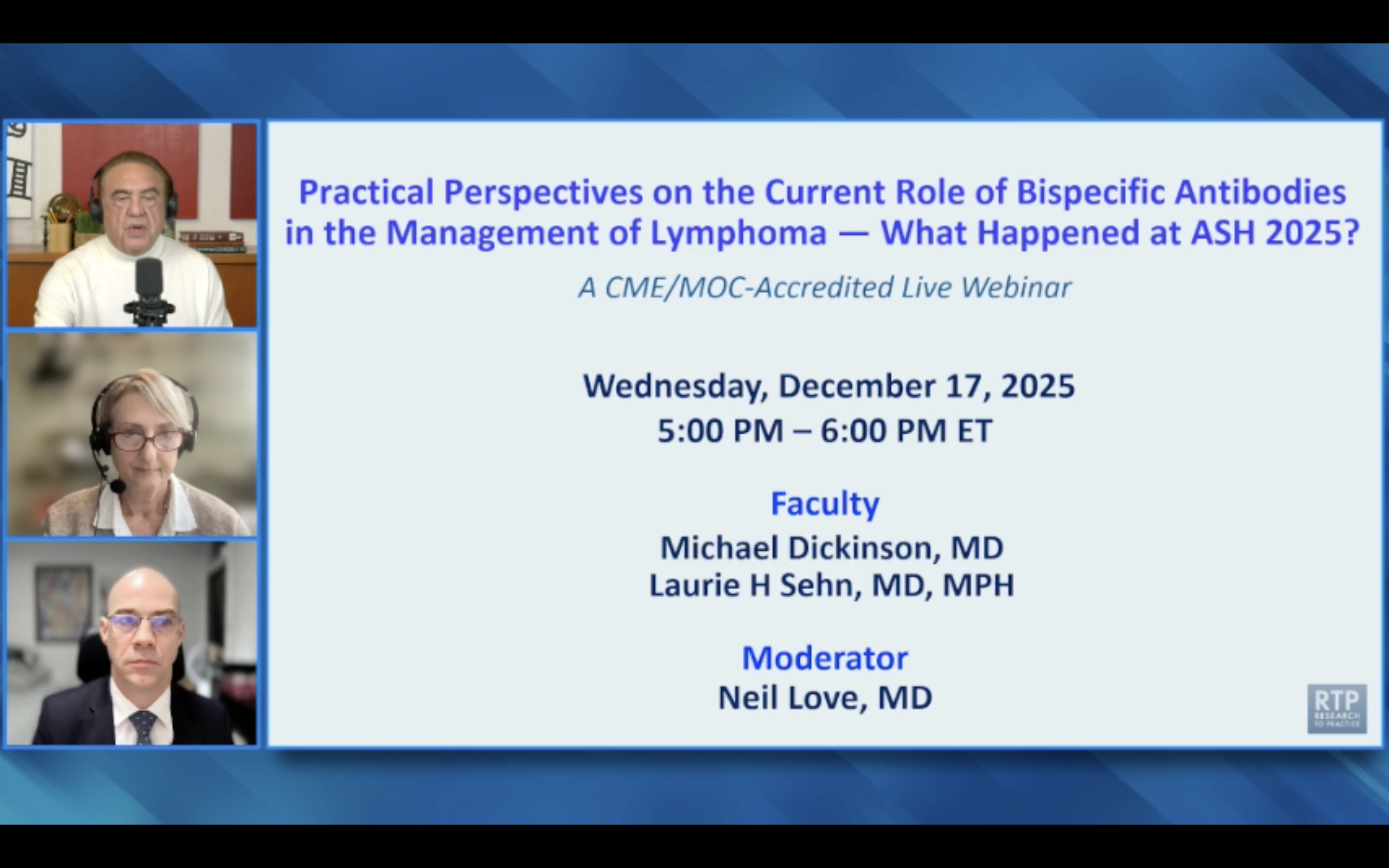
The rapid and successful rollout of complex bispecific therapies into community settings is primarily driven by enhanced nursing staff skills and protocols for risk stratification. This combination allows for safe outpatient administration, preventing hospital admissions and broadening patient access beyond large academic centers.
With highly effective treatments like CAR-T and bispecifics moving into earlier lines of therapy for multiple myeloma, the clinical focus must evolve. While efficacy benchmarks have been met, the next advancement requires vigilant attention to safety, particularly infection risks and other side effects of new paradigms.
Despite its approval, the bispecific T-cell engager tarlatamab sees slower community adoption than prior SCLC drugs. The barrier is the logistical need for inpatient monitoring and specialized supportive care for potential cytokine release syndrome during the first two doses, a new challenge for community practices that suggests a university collaboration model.
To manage hypogammaglobulinemia from bispecific antibodies, clinicians are adopting a more proactive approach. Following the model from myeloma care, they are initiating IVIG therapy earlier to prevent infections, rather than waiting for recurrent infections to occur as was standard with rituximab.