Get your free personalized podcast brief
We scan new podcasts and send you the top 5 insights daily.
The investment thesis for F1 aligns with Warren Buffett's philosophy: focus on the durability of the competitive advantage, not industry growth. F1's value comes from its sustainable moat—the exclusive 100-year contract and pricing power—which ensures solid cash returns with minimal reinvestment.

Related Insights
Formula One Group owns the exclusive commercial rights to the sport, not the teams or athletes. This capital-light model allows it to generate billions in revenue with over 24% free cash flow margins, making it a highly profitable and durable business compared to owning a capital-intensive sports team.
Upon acquiring F1, Liberty Media's most impactful change was implementing a cost cap. This ended the era of unlimited spending, where most teams lost money. It instantly made every team financially viable and, for top teams, highly profitable. This single regulatory change is the primary reason average team valuations have surged to over $3.6 billion today.

In Formula 1, durable success comes from operational excellence, not sustainable strategic power. Clever rule interpretations or design innovations provide only a temporary edge before rivals copy them. Long-term dominance, like Mercedes' eight-year streak, is a result of superior competency in engineering, design, and execution rather than a defensible strategic moat.
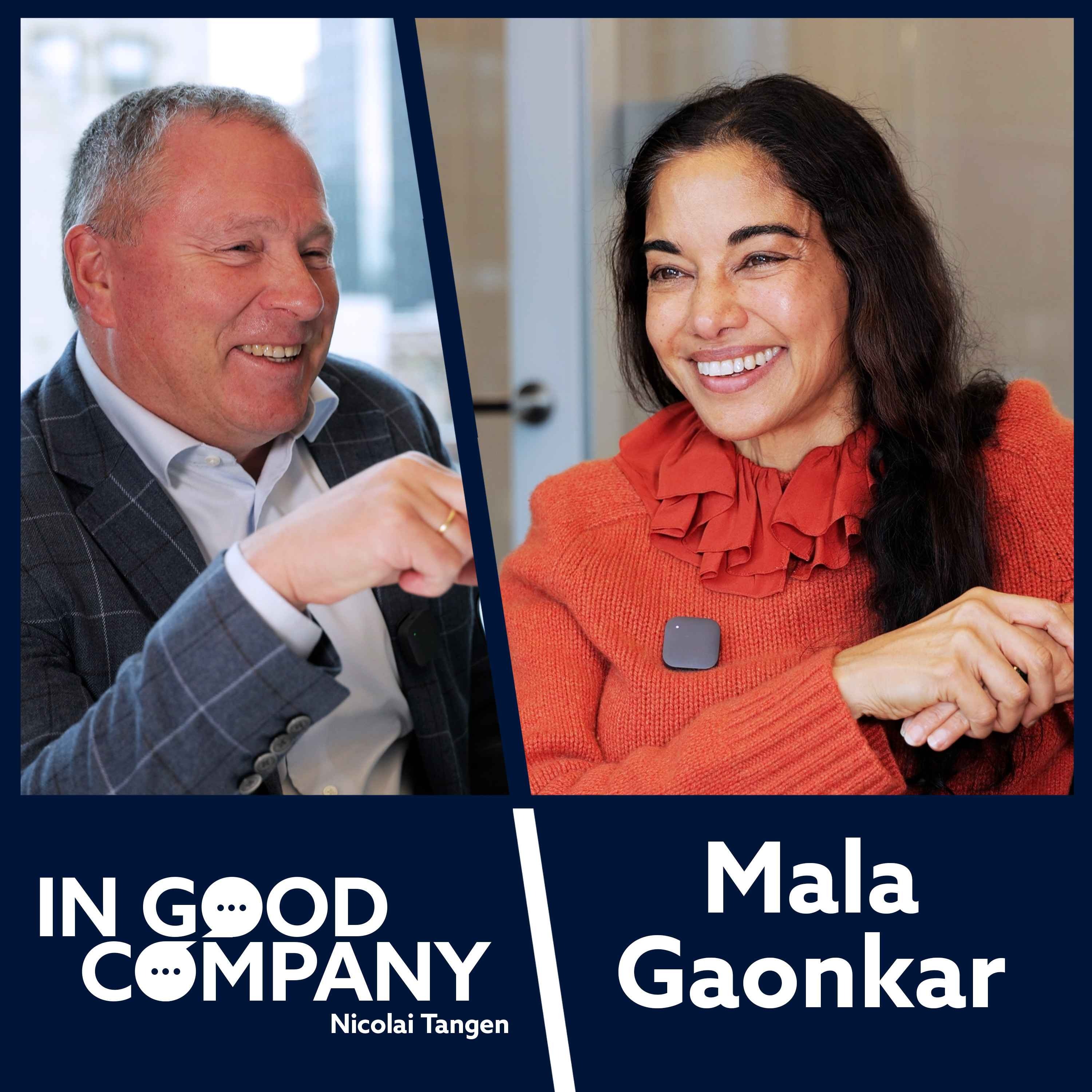
While many investors look for a competitive "moat," investor Mala Gaonkar's primary differentiator is identifying businesses with very long-duration moats. The key to finding truly great companies is assessing how long their competitive advantage can be sustained, not just that it exists today.

Gaonkar favors businesses with complex, "systemic" moats derived from deeply integrated processes, like TSMC's manufacturing expertise. She argues these are more durable than moats based on a single advantage, comparing it to owning the process of gold extraction rather than just owning the mine.
The PGA Tour's struggle against the Saudi-backed LIV Golf league demonstrates the immense capital required to challenge an entrenched sports entity. LIV's potential failure, despite near-infinite funding, suggests F1's dominant position is secure against even the most well-funded, non-economically motivated competitors.
Ferrari's brand strategy is unique among luxury goods. It leverages scarcity like Hermès but also cultivates a massive, global fanbase like a major sports team. This fan worship, from people who will never own a car, enhances the brand's appeal and value to the clients who actually can, creating a powerful, self-reinforcing moat.

Formula One Group holds exclusive commercial rights until 2110. This 100-year contract creates an exceptionally durable moat. Risks that are eight decades away are irrelevant to current stock valuation, a unique situation compared to most businesses where long-term terminal value is a key concern.
F1 doesn't just compete with NASCAR; it competes with any activity vying for audience attention, from Netflix to TikTok. The company's defense is its sticky, loyal fan base, making its business model far more resilient to disruption than a tech company's core product.
Unlike other luxury brands that rely solely on scarcity (like Hermes), Ferrari uniquely fuses this with a massive, passionate fan base from its Formula 1 racing team. This fandom enhances the brand's appeal to ultra-wealthy clients, creating a powerful, self-reinforcing dynamic that competitors cannot easily replicate.
