Get your free personalized podcast brief
We scan new podcasts and send you the top 5 insights daily.
Novo Nordisk ran a nearly 4,000-patient Phase 3 Alzheimer's trial despite publicly stating it had a low probability of success. This strategy consumes valuable patient resources, raising ethical questions about whether a smaller, definitive Phase 2 study would have been a more responsible approach for the broader research ecosystem.

Related Insights
While the FDA is often blamed for high trial costs, a major culprit is the consolidated Clinical Research Organization (CRO) market. These entrenched players lack incentives to adopt modern, cost-saving technologies, creating a structural bottleneck that prevents regulatory modernization from translating into cheaper and faster trials.

While AI can accelerate the ideation phase of drug discovery, the primary bottleneck remains the slow, expensive, and human-dependent clinical trial process. We are already "drowning in good ideas," so generating more with AI doesn't solve the fundamental constraint of testing them.

The Orphan Drug Act successfully incentivized R&D for rare diseases. A similar policy framework is needed for common, age-related diseases. Despite their massive potential markets, these indications suffer from extremely high failure rates and costs. A new incentive structure could de-risk development and align commercial goals with the enormous societal need for longevity.
Novo Nordisk's large semaglutide Alzheimer's trial failure highlights a critical design flaw: launching a massive study without first using smaller trials to validate mechanistic biomarkers and confirm central nervous system penetration. This serves as a cautionary tale for all CNS drug developers.

Unlike software startups that can "fail fast" and pivot cheaply, a single biotech clinical program costs tens of millions. This high cost of failure means the industry values experienced founders who have learned from past mistakes, a direct contrast to Silicon Valley's youth-centric culture.
To save money, Rhythm's leadership considered canceling a clinical study because the prevailing scientific logic suggested their drug wouldn't work. The study's unexpected, resounding success became the company's pivotal turning point, highlighting the value of pursuing scientifically contrarian ideas.

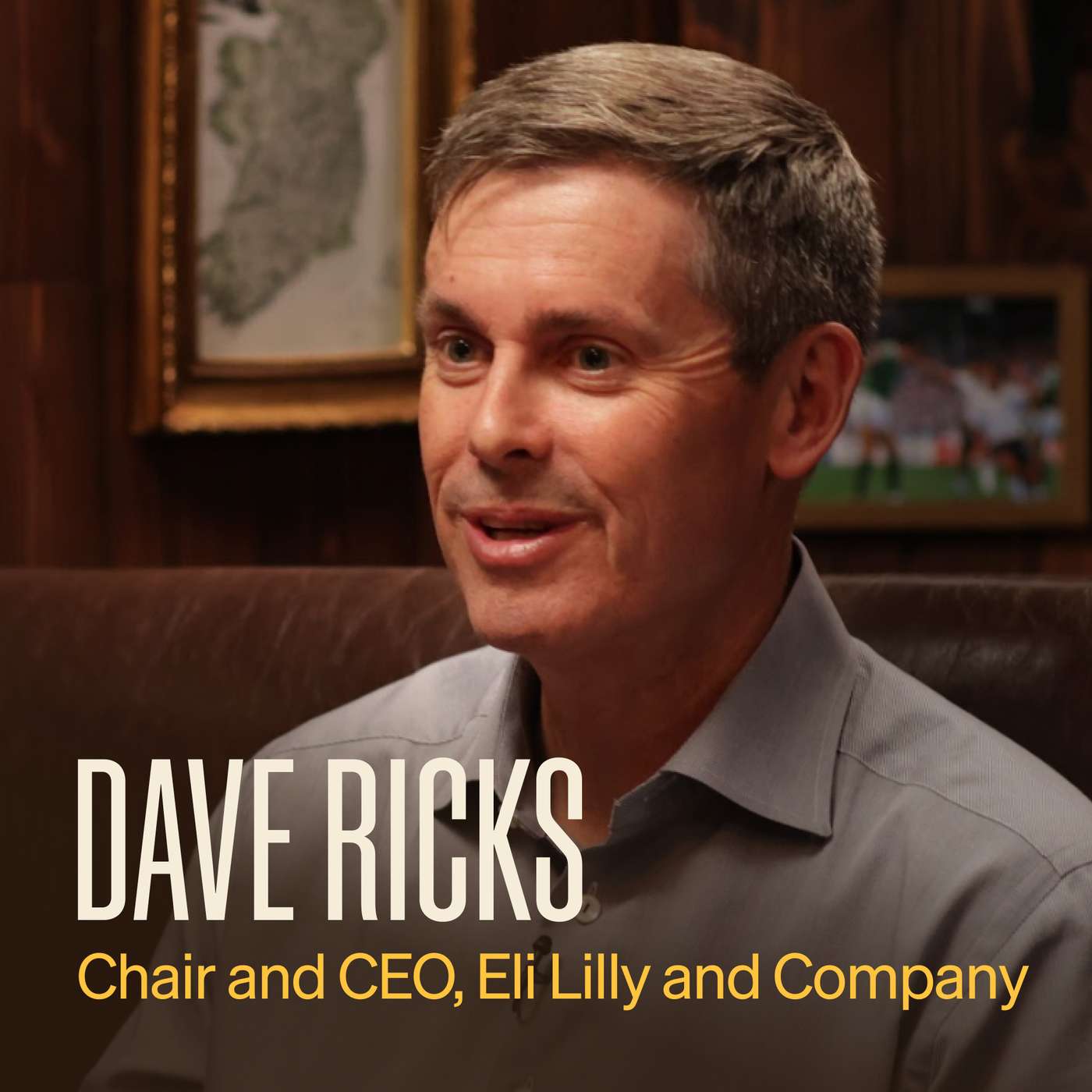
Eli Lilly ran the fastest-accrued Alzheimer's study in history by going direct-to-patient. This model, using televisits and centralized diagnostics, is highly effective for preventative medicines where motivated patients can be recruited online.
After several tau-targeting antibodies failed, including J&J's pazdenimab, confidence in blocking extracellular tau is waning. The field's new hope is Biogen’s Biv80, an antisense drug that prevents tau protein production at the mRNA level, a mechanism that has shown potential to reverse pathology in early data.
Modern ethical boards make certain human studies, like extended fasting, nearly impossible to conduct. This creates an opportunity to revisit older, pre-regulatory research from places like the Soviet Union. While the proposed mechanisms may be outdated, the raw data could unlock valuable modern therapeutic approaches.

The median $40,000 cost per trial enrollee is high because pharma companies essentially run a parallel, premium healthcare system for participants. They pay for all care and level it up globally to standardize the experiment.