Get your free personalized podcast brief
We scan new podcasts and send you the top 5 insights daily.
To get his break on BET's Comic View, Jo Koy bypassed the long line of performers and approached the promoter directly. He didn't ask for a spot; he offered to do the crowd warm-up for free. When the booked comics were late, he was ready to go, turning a manufactured opportunity into a career-changing moment.
Related Insights
After Netflix rejected his comedy special, Jo Koy invested his own money to produce it, then brought the finished product back to them. Netflix bought it, and it became the catalyst for his mainstream success, proving that self-investment can force industry validation.
Early in her career, Daren Kagan wanted to be a sportscaster on a show that didn't have one. She pitched the news director to let her do it for free on her days off for one month. By creating the role and de-risking the decision for her boss, she built a year and a half of experience that was crucial for her career.

Jo Koy's success wasn't just raw talent. He studied comedy with intense discipline, watching marathons of specials not just for the jokes, but for the art. He would time applause breaks, count the words in a setup, and analyze joke structure, treating comedy as a science to be mastered.
Despite achieving massive success and selling out arenas, Jo Koy continues the grassroots marketing tactics he used early in his career, like placing thousands of flyers on car windshields. This shows a commitment to reaching new audiences and a refusal to become complacent.
To break into a competitive field, don't wait for an invitation. Sharran Srivatsaa's mentor advised him to 'host the meal,' which he interpreted as proactively offering to do all the work on real estate deals for a small percentage. This created an opportunity where none existed.

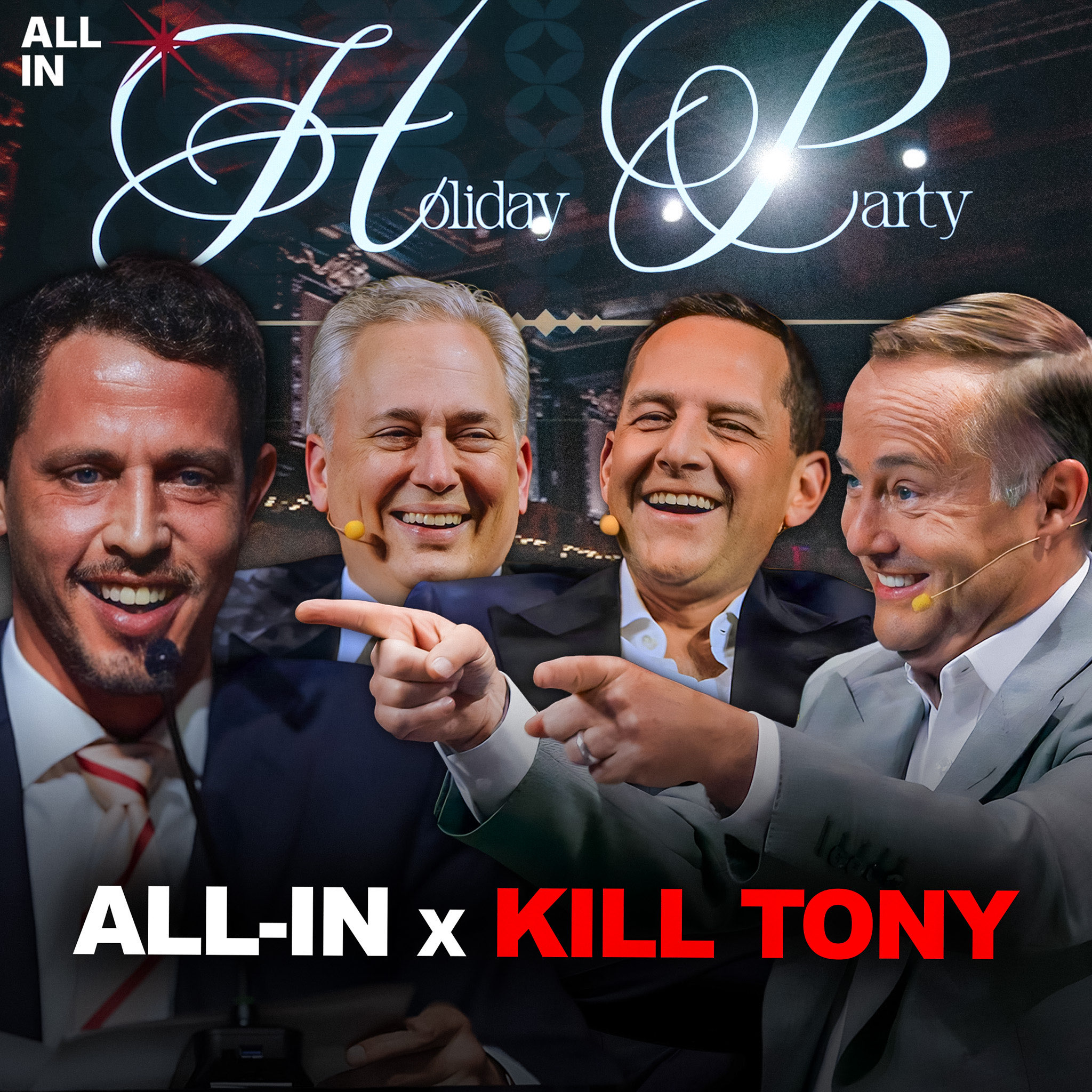
Much like an appearance on Johnny Carson's show once launched a comedian's career, "Kill Tony" now serves as the industry's primary talent discovery engine. Agents and producers watch the live-streamed show to scout undiscovered talent, bypassing traditional gatekeepers.
To become a paid public speaker, you must first prove your value and build a reputation by speaking for free extensively. This requires humility and proactively seeking opportunities—like Gary Vaynerchuk pouring wine at events just to be present—rather than waiting to be discovered. The market will tell you when you're good enough to charge.

When offered a chance at Def Comedy Jam, the promoter said he could only perform before the show started, by squeezing through a crack in the curtain without a proper intro. Instead of feeling disrespected, he saw it as his one shot. He crushed the performance, which directly led to him booking Showtime at the Apollo.
Jo Koy describes himself as deeply insecure growing up due to crooked teeth, hair loss, and a traumatic childhood. He found that stand-up was the one area where he felt confident. It became his "superpower," allowing him to transform his personal pains and insecurities into his greatest material.
Jo Koy describes how clubs in the 90s reserved prime weekend slots ("White Night") for white comics, relegating performers of color to less desirable weeknights. This scarcity meant every opportunity was critical, instilling a mindset to never say no and to seize any chance, no matter the conditions.