Get your free personalized podcast brief
We scan new podcasts and send you the top 5 insights daily.
While cozying up to the current administration provides short-term benefits, being seen as 'the Trump AI company' puts OpenAI in the crosshairs of a likely future Democratic administration. This long-term political risk could jeopardize its standing and invite punitive regulation in just a few years.

Related Insights
Thompson highlights a critical tension for OpenAI. By agreeing to work with the Pentagon, OpenAI aligns with the broader American public's expectations but clashes with the anti-authoritarian ethos of its core talent base in San Francisco. This creates a difficult internal and recruitment dynamic that Anthropic, whose stance is popular in the tech community, largely avoids.

Labs like Anthropic, Meta, and OpenAI are aligning with different political sides, while Google aims for neutrality. This intertwining of AI development with partisan politics could lead to labs being favored or blacklisted depending on the administration in power.

The chaotic response to Anthropic contrasts sharply with the administration's treatment of competitors whose CEOs cultivate close ties with the White House. This suggests access and personal chemistry are more influential in shaping AI regulation than technical merits, punishing companies whose leaders don't "play the game."

Amidst regulatory clashes, the Trump administration is reportedly considering taking equity stakes in major labs like OpenAI and Anthropic. This potential move could be a negotiating tactic to gain more control over AI safety and development, representing a significant escalation in government oversight of the technology.
Previously a Hillary Clinton donor, OpenAI's Greg Brockman has become a major donor to a Trump super PAC. This is seen not as an ideological shift but a strategic move to align with an administration perceived as friendly to AI, aiming to secure a favorable regulatory environment for the company.
Despite populist rhetoric, the administration needs the economic stimulus and stock market rally driven by AI capital expenditures. In return, tech CEOs gain political favor and a permissive environment, creating a symbiotic relationship where power politics override public concerns about the technology.

The White House's abrupt takedown of Anthropic's Fable model introduced a new, potent form of political risk for US tech companies. CTOs now see vendor lock-in with closed American AI models as a liability and are actively setting up open-weight Chinese models as backups to hedge against sudden, unpredictable regulatory intervention.

Anthropic faces a critical dilemma. Its reputation for safety attracts lucrative enterprise clients, but this very stance risks being labeled "woke" by the Trump administration, which has banned such AI in government contracts. This forces the company to walk a fine line between its brand identity and political reality.
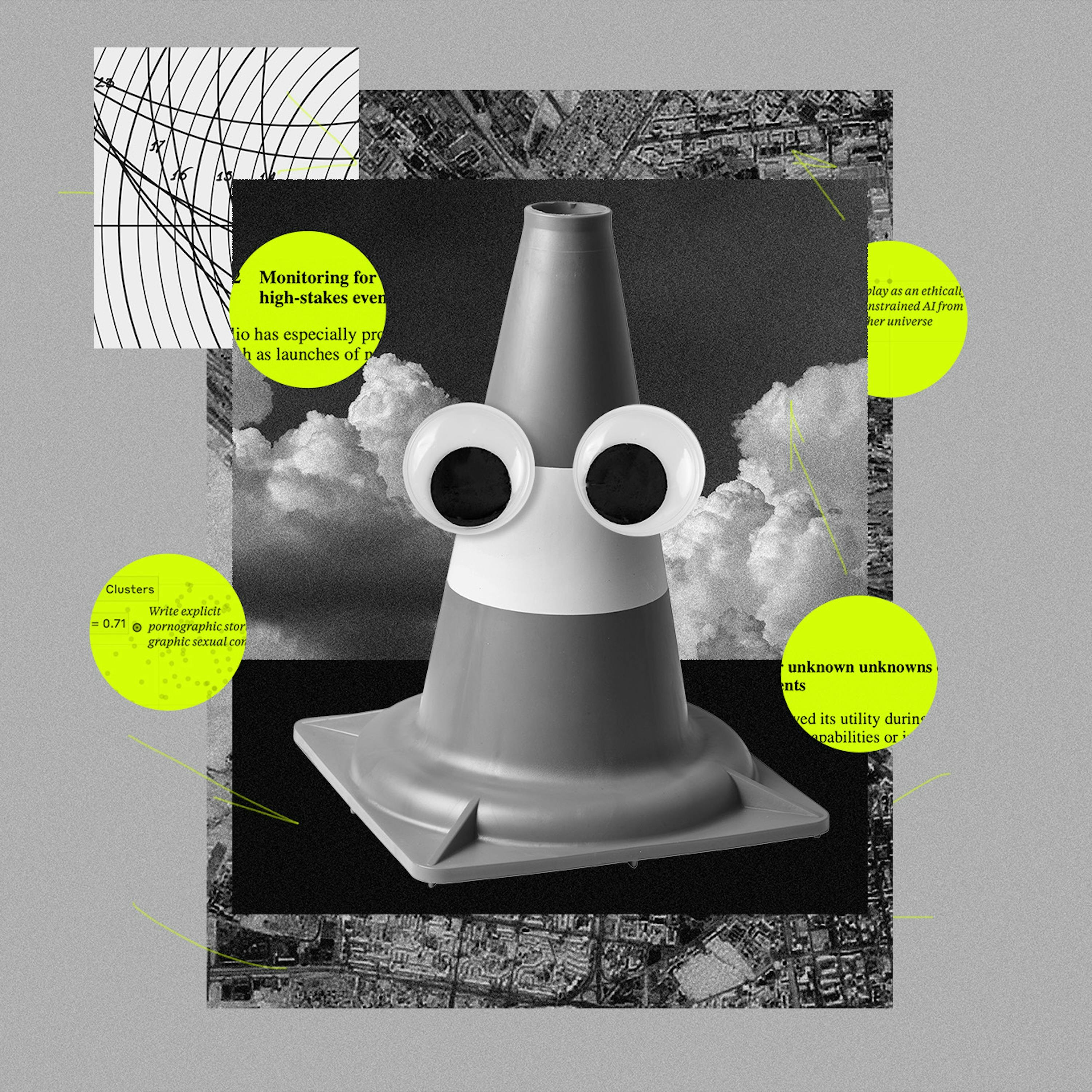
The US administration's sudden regulatory crackdown on Anthropic wasn't based on a clear rule violation. It stemmed from a prior political dispute, revealing a system where AI policy is applied based on whether a company is considered a 'friend' or 'enemy' of the administration.

The current market boom, largely driven by AI enthusiasm, provides critical political cover for the Trump administration. An AI market downturn would severely weaken his political standing. This creates an incentive for the administration to take extraordinary measures, like using government funds to backstop private AI companies, to prevent a collapse.
