Get your free personalized podcast brief
We scan new podcasts and send you the top 5 insights daily.
Regardless of the verdict, the trial's main consequence is the public exposure of private emails and texts, revealing bitter infighting among tech billionaires. This spectacle likely harms the public perception of the AI industry more than any legal outcome will.

Related Insights
The negative reaction to Sam Altman's "AI as a utility" comment highlights a deeper issue. The public's growing unease is fueled by a long-simmering disdain for figureheads like Altman and Musk, making the messenger, not just the message, a critical PR challenge for the AI industry.

The lawsuit is unlikely to financially cripple OpenAI or reverse its for-profit structure. Its primary impact will be shaping the public narrative around Sam Altman and Elon Musk by revealing internal documents and testing which figure a jury finds more sympathetic. It's a battle for perception, not an existential threat.

Regardless of the legal verdict, Elon Musk may be achieving a primary goal: disrupting OpenAI's operations. The trial forces CEO Sam Altman and President Greg Brockman to divert significant attention from product development and competitive threats at a critical moment for the company, potentially during an IPO run-up.
With a weak legal foundation based on a verbal 'handshake deal,' Elon Musk's lawsuit against Sam Altman and OpenAI is less about winning in court and more about strategic harassment. The goal is to use the legal process to maximize public embarrassment, force damaging disclosures, and potentially delay OpenAI's IPO.

Elon Musk's lawsuit against OpenAI creates an asymmetric advantage. Even if he loses, the lengthy discovery process can damage OpenAI's reputation, slow its momentum, and distract its leadership. The potential outcomes for him range from a massive financial win to simply kneecapping a major competitor, with minimal downside.
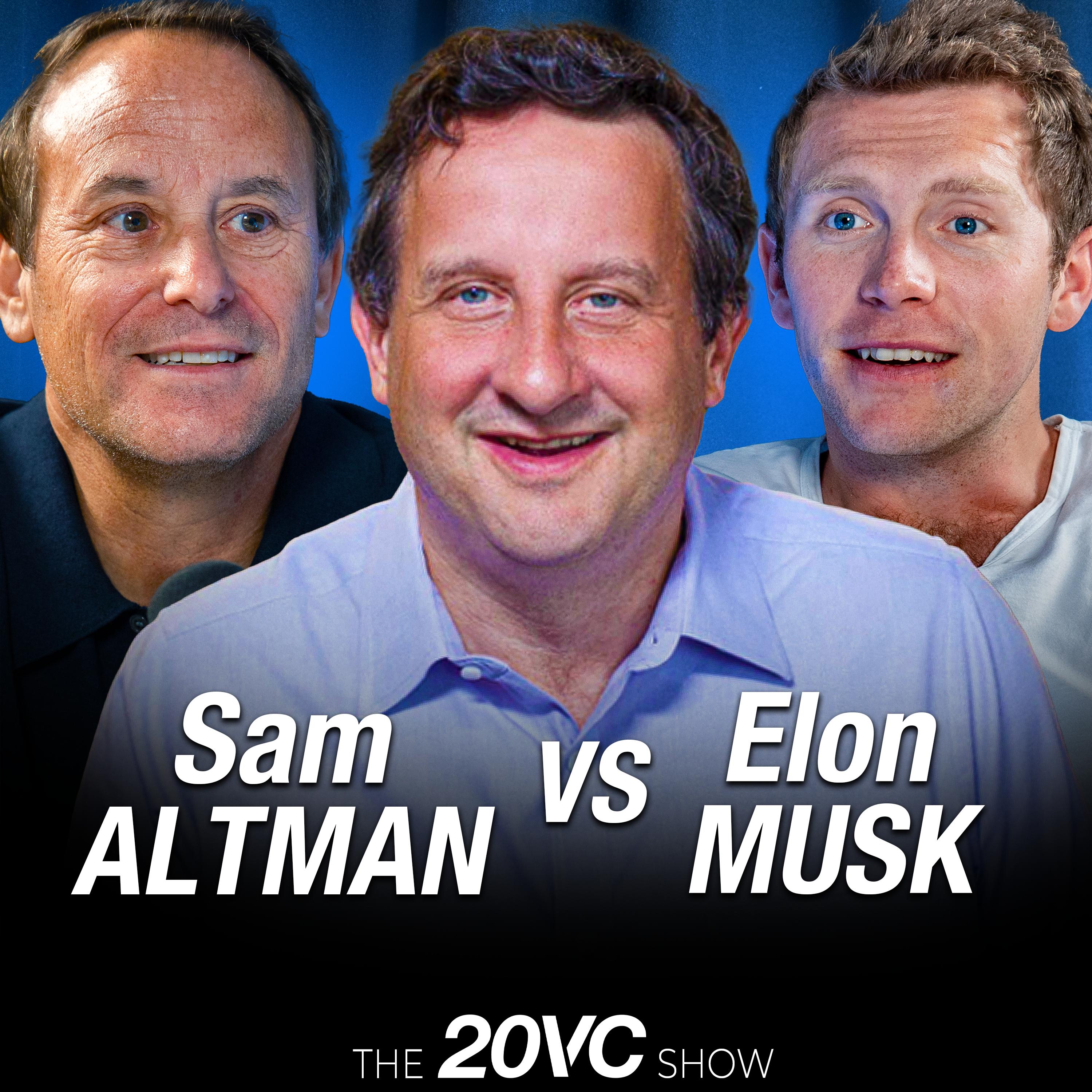
In his lawsuit against OpenAI, Elon Musk's credibility as an AI safety champion was undermined during cross-examination. He was reportedly clueless about basic industry safety practices like "system cards" and OpenAI's own safety protocols, revealing a significant gap between his public pronouncements and his technical knowledge.
The legal battle between Elon Musk and OpenAI is primarily a strategic fight for narrative dominance. Both sides compete to control their public image—Musk as "bulletproof" and OpenAI as the "untouchable leader." In the current tech landscape, this narrative dictates valuation and power more than cash flow does.

The trial revelations—from backstabbing texts to undisclosed relationships—show that the world's most powerful tech leaders are often just as sloppy and chaotic as anyone else. Their internal turmoil contrasts sharply with their public image of calculated genius.

The high-stakes lawsuit between Elon Musk and OpenAI is not capturing public interest and is largely perceived as "wealthy people bantering." This indicates a significant disconnect between Silicon Valley's internal power struggles and what the general public considers important, rendering the trial a 'dud' in terms of public impact.
Though Elon Musk legally lost his suit against Sam Altman on a technicality, the trial surfaced evidence supporting the most damaging public perceptions of both men: Altman as duplicitous and Musk as ego-driven. This shows that even a legal victory can be a reputational loss in a public battle.