Get your free personalized podcast brief
We scan new podcasts and send you the top 5 insights daily.
Societal anger and polarization are fueled less by current unemployment figures and more by the steady decline in the marginal utility and rewards of labor. The feeling of being less useful and falling behind, regardless of employment status, is the 'Chinese torture chamber' driving political extremism long before widespread job losses occur.

Related Insights
A K-shaped economy becomes dangerous not just from the wealth gap, but when the bottom half is actively regressing—falling behind the rising cost of living. This violation of the human need for progress is the primary trigger for instability, not the mere existence of billionaires.

Political violence and extreme polarization are symptoms of deeper economic anxieties. When people feel economically insecure, they retreat into tribal identities and become susceptible to narratives of anger, which can escalate into violence.

Social and political chaos are symptoms of a foundational economic decay. When the work-to-reward feedback loop breaks—evidenced by housing becoming unaffordable—people lose faith in the system itself and become open to radical alternatives because they feel they have nothing left to lose.

Societal hatred and tribalism are lagging indicators of economic distress. By the time political polarization becomes extreme, the underlying system is already in crisis due to factors like excessive debt and money printing. The economy is the root cause to watch.

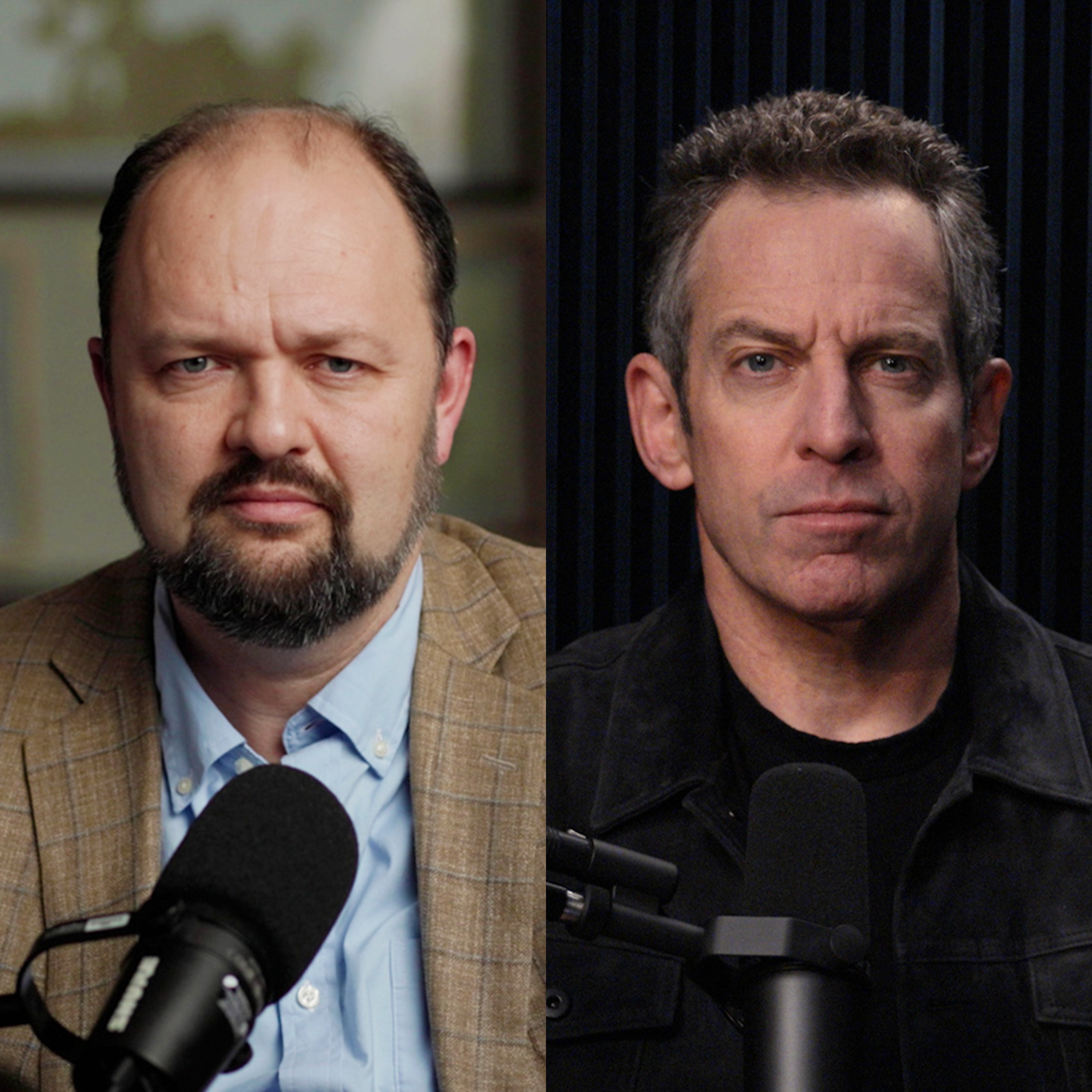
New York Times columnist Ross Douthat argues the root of modern anxiety isn't just policy, but a growing sense that digital culture and AI are making humans obsolete. This feeling fuels unhappiness, loneliness, and demographic decline, which in turn manifests as political polarization.
Research shows people anticipating downward mobility, like job loss from AI, enter a psychological "domain of loss." This makes them risk-seeking and more likely to support or commit violent acts, as they feel they have less to lose.

The inability for young people to afford assets like housing creates massive inequality and fear. This economic desperation makes them susceptible to populist leaders who redirect their anger towards political opponents, ultimately sparking violence.

Throughout history, a large gap between the 'haves' and 'have-nots' is a recipe for revolution. This economic disparity fuels populism and social unrest more profoundly and consistently than external shocks like pandemics, technological disruption like AI, or even war.

The root cause of many social conflicts is not just ideology but deep-seated economic anxiety. When people struggle to pay bills, that stress turns into anger, which is easily manipulated into tribalism and fighting over a perceived "shrinking pie."

As governments print money, asset values rise while wages stagnate, dramatically increasing wealth inequality. This economic divergence is the primary source of the bitterness, anxiety, and societal infighting that manifests as extreme political polarization. The problem is economic at its core.
