Get your free personalized podcast brief
We scan new podcasts and send you the top 5 insights daily.
As AI agents handle more implementation details, the bottleneck shifts from coding to defining what to build. Developers who can clearly write, describe problems, and communicate specifications will be the most productive because they can effectively direct AI's work.

Related Insights
As AI becomes proficient at generating code, the critical human skill is no longer writing the code itself. Instead, the focus shifts to deciding *what* to build and maintaining a high standard of quality for the AI-generated output. The key contribution becomes strategic direction and taste.

As AI tools abstract away complex programming, the new premium is on individuals who can think critically about a business problem and clearly articulate desired outcomes for an AI agent to execute. Clarity of thought is becoming the key differentiator.

Interacting with powerful coding agents requires a new skill: specifying requirements with extreme clarity. The creative process will be driven less by writing code line-by-line and more by crafting unambiguous natural language prompts. This elevates clear specification as a core competency for software engineers.
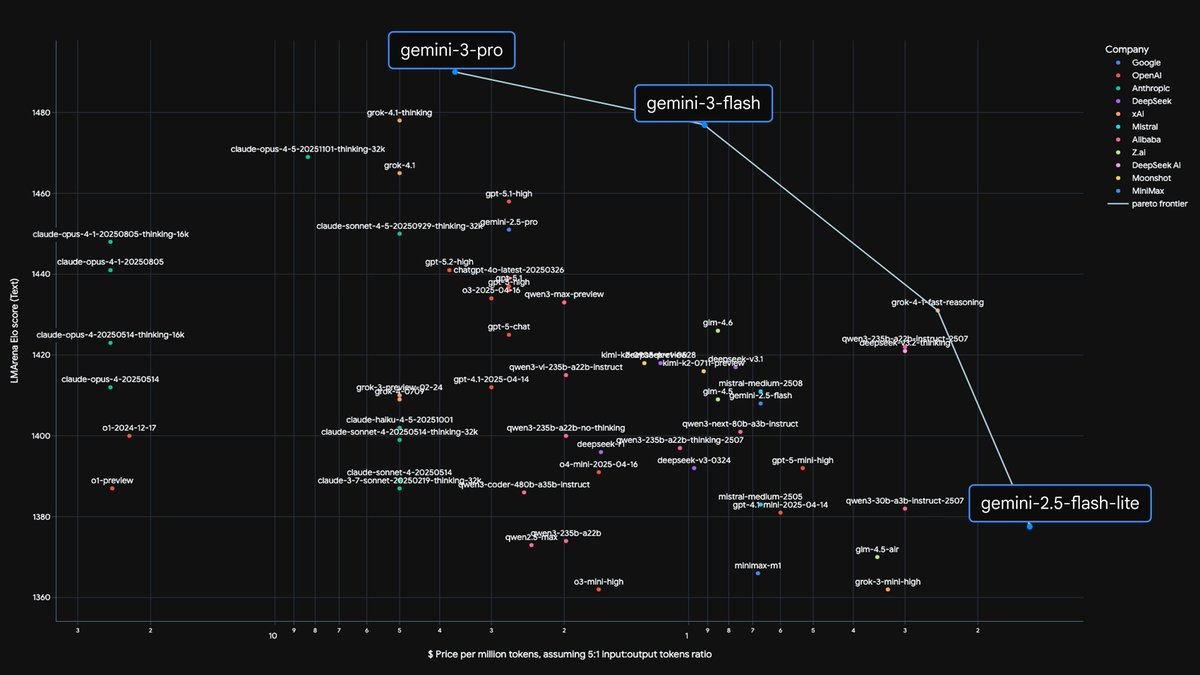
The programmer's role is evolving from a craft of writing code to a managerial task of orchestrating fleets of AI coding bots. The critical skill is no longer manual typing but directing, debugging, and arguing with these AIs to achieve a desired outcome.
As AI agents handle the mechanics of code generation, the primary role of a developer is elevated. The new bottlenecks are not typing speed or syntax, but higher-level cognitive tasks: deciding what to build, designing system architecture, and curating the AI's work.

Generative AI is making the task of writing syntactically correct code obsolete. The core value of a software engineer is shifting away from implementation details and towards the higher-level "thinking" tasks: understanding user needs and designing robust systems.
As AI handles code generation, the most durable asset engineers create will shift from the code itself to the documentation that guides the AI. This documentation captures the 'why'—the intention, PRD, and customer problem—making it the essential input for future AI-driven development and iteration.
The traditional definition of a developer, centered on mastering programming languages, is becoming obsolete. As AI agents handle code generation, the most valuable skills are now clarity of thought, understanding user needs, and designing robust systems, opening the field to new personas.
Technical implementation is becoming easier with AI. The critical, and now more valuable, skill is the ability to deeply understand customer needs, communicate effectively, and guide a product to market fit. The focus is shifting from "how to build it" to "what to build and why."

As AI handles technical tasks like programming, the ability to clearly articulate intent, context, and desired outcomes to AI agents becomes the most valuable human skill for achieving results quickly and effectively.