Get your free personalized podcast brief
We scan new podcasts and send you the top 5 insights daily.
The lock-in effect of the iOS App Store is weakening as AI assistants absorb the functions of many long-tail applications. Users increasingly query AI for information like weather or surf reports, reducing reliance on individual apps and potentially opening the door for new mobile hardware competitors.

Related Insights
Apple's biggest AI risk isn't a competitor's chatbot; it's that AI itself will become the operating system, generating app UIs on the fly. This would make Apple's primary moat—its app ecosystem—irrelevant. Its only remaining advantage would be iMessage, which a competitor like Meta could combine with OpenAI's tech to dethrone the iPhone.

When a user's goal is purely transactional (e.g., booking a flight), they have little loyalty to the app's UI. AI agents can directly fulfill these tasks, making such apps obsolete because their primary value is intermediation, not a unique, loyalty-building experience.

Moats like migration pain, proprietary data, and UI lock-in are weakening. AI agents are flexible with interfaces and can easily replicate code and migrate data, forcing companies to find new, more distinct sources of value beyond simply 'owning' the customer.

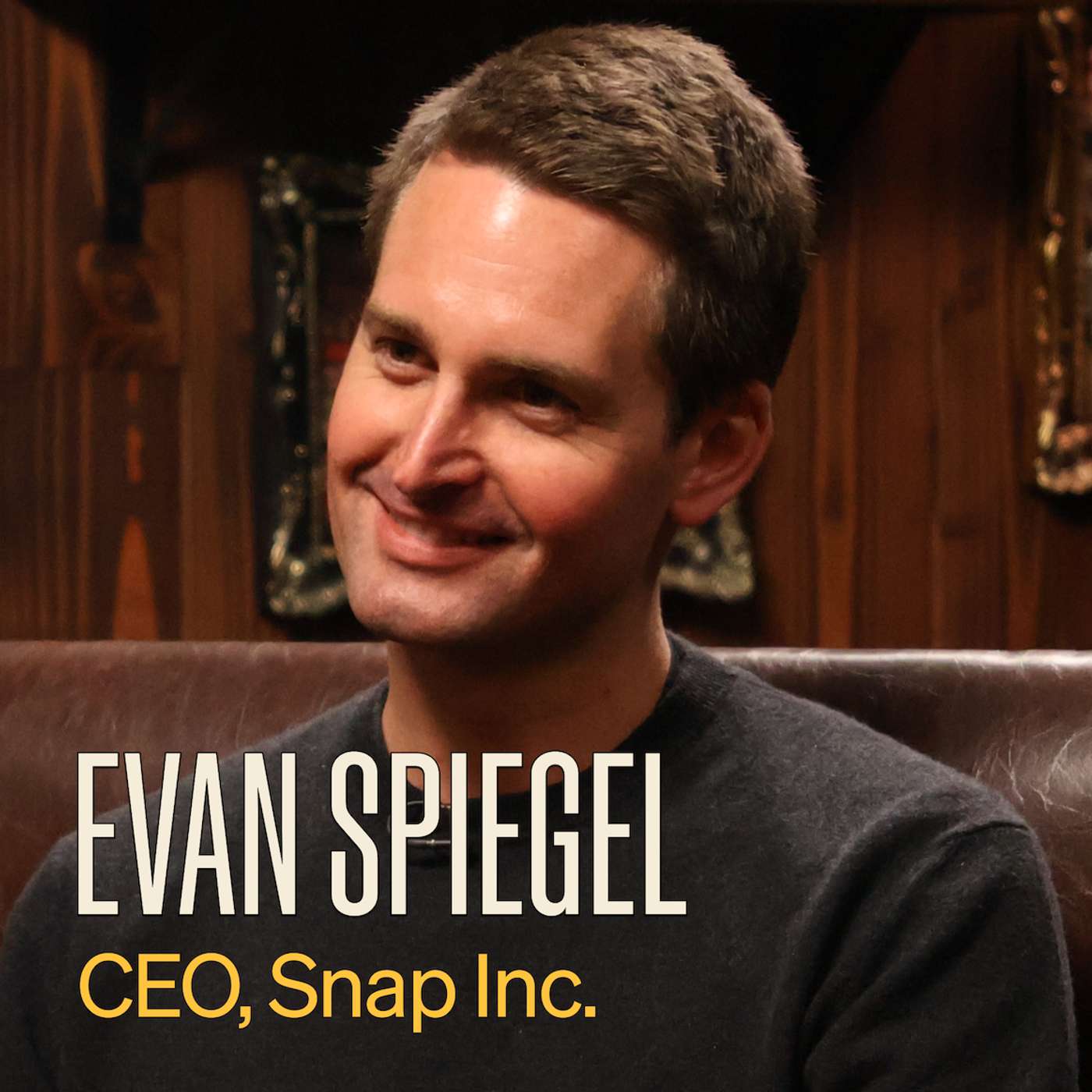
Spiegel sees AI-powered software development as the key to overcoming the App Store's dominance. Historically, a new platform couldn't compete with millions of existing apps. Now, because AI makes it so easy to write software, a new ecosystem can be populated quickly, neutralizing the incumbent's advantage.
By integrating Google's Gemini directly into Siri, Apple poses a significant threat to OpenAI. The move isn't primarily to sell more iPhones, but to commoditize the AI layer and siphon off daily queries from the ChatGPT app. This default, native integration could erode OpenAI's mobile user base without Apple needing to build its own model.

Apple's decision to integrate rival AI assistants into Siri is less about fixing its core performance and more about monetization. The strategy aims to funnel users toward purchasing third-party AI chatbot subscriptions through the App Store, allowing Apple to collect its commission rather than building a superior first-party competitor.

Apple long envisioned AI as a seamless background utility. By developing a dedicated Siri app, it's admitting that the market, shaped by ChatGPT, expects a destination chatbot. This is a significant strategic shift, acknowledging the dominance of a user experience model Apple initially resisted.
As personal AI agents become more capable, they could render the current smartphone OS, with its "wall of apps," irrelevant. Instead of clicking icons, users will just tell their agent what to do. This shifts the primary interface from the screen to voice/text, threatening the core value of platforms like iOS.

By allowing third-party AI assistants to integrate with Siri, Apple isn't just conceding its AI lag. This strategy aims to capture a share of AI subscription revenue through the App Store and preemptively address antitrust concerns, mirroring its approach with search engines in Safari.

OpenAI's platform strategy, which centralizes app distribution through ChatGPT, mirrors Apple's iOS model. This creates a 'walled garden' that could follow Cory Doctorow's 'inshittification' pattern: initially benefiting users, then locking them in, and finally exploiting them once they cannot easily leave the ecosystem.
