Get your free personalized podcast brief
We scan new podcasts and send you the top 5 insights daily.
Colossal's AI spinoff, Astromech, is pioneering a new form of drug discovery. Instead of traditional methods, it uses AI to analyze evolutionary trends in animal genomes, identifying conserved regions that grant resistance to diseases like cancer (e.g., P53 protein in elephants) for application in human therapeutics.

Related Insights
The convergence of AI, massive health datasets, and genomics is creating a new paradigm in medicine. Instead of lengthy human trials, AI will prove drug solutions and create personalized therapeutics by analyzing an individual's condition against millions of data points, dramatically accelerating medical breakthroughs.

NewLimit combines artificial intelligence with high-throughput biology in a virtuous cycle. Their AI model, Ambrosia, predicts which gene combinations will be effective. These predictions are then tested in thousands of parallel experiments, which in turn generate massive datasets to further train and refine the AI, accelerating discovery.
The next inflection point will come from clever data generation strategies optimized for AI models, not human analysis. This "black box data" approach—like pooled screening with sequencing readouts—is vastly more scalable and creates a powerful, proprietary moat for companies.

Antonov describes how AI discovery engines could empower a patient or interest group to input a disease and have the system propose targets and potential therapies. This would democratize the crucial first steps of drug development, making it accessible beyond large institutions.

The company's BioSeeker AI platform goes beyond discovery. After analyzing genomic data, it directly outputs the functional components for development: the 'guides' for their CRISPR therapeutics and the 'primers and probes' for their diagnostic tests, making AI a rapid creation tool.

A new 'Tech Bio' model inverts traditional biotech by first building a novel, highly structured database designed for AI analysis. Only after this computational foundation is built do they use it to identify therapeutic targets, creating a data-first moat before any lab work begins.

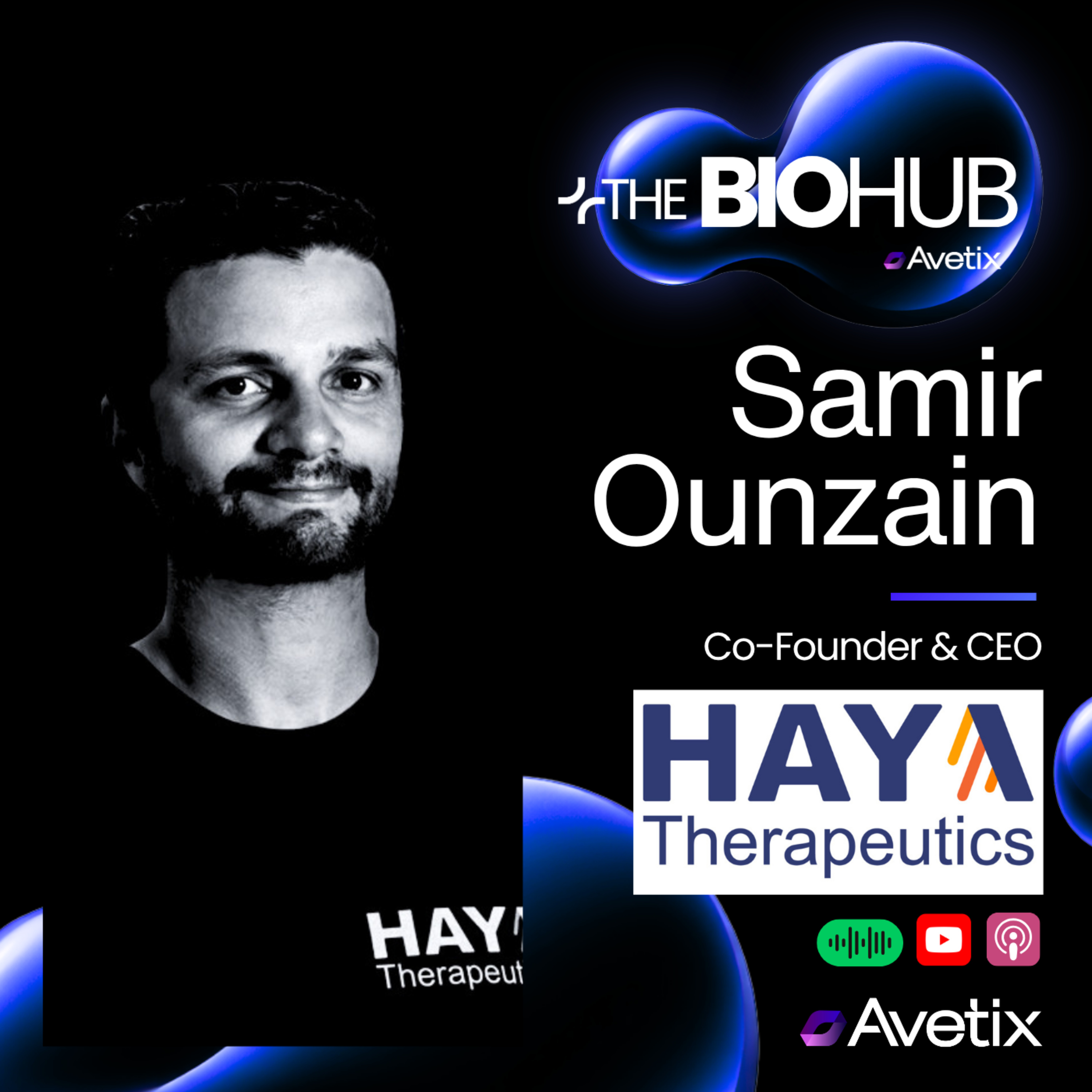
Haya's AI platform is differentiated by its focus on deconvoluting the "dark genome" to identify completely novel, "first-in-biology" targets. This contrasts with AI applications that merely optimize molecules for known biological pathways or targets.
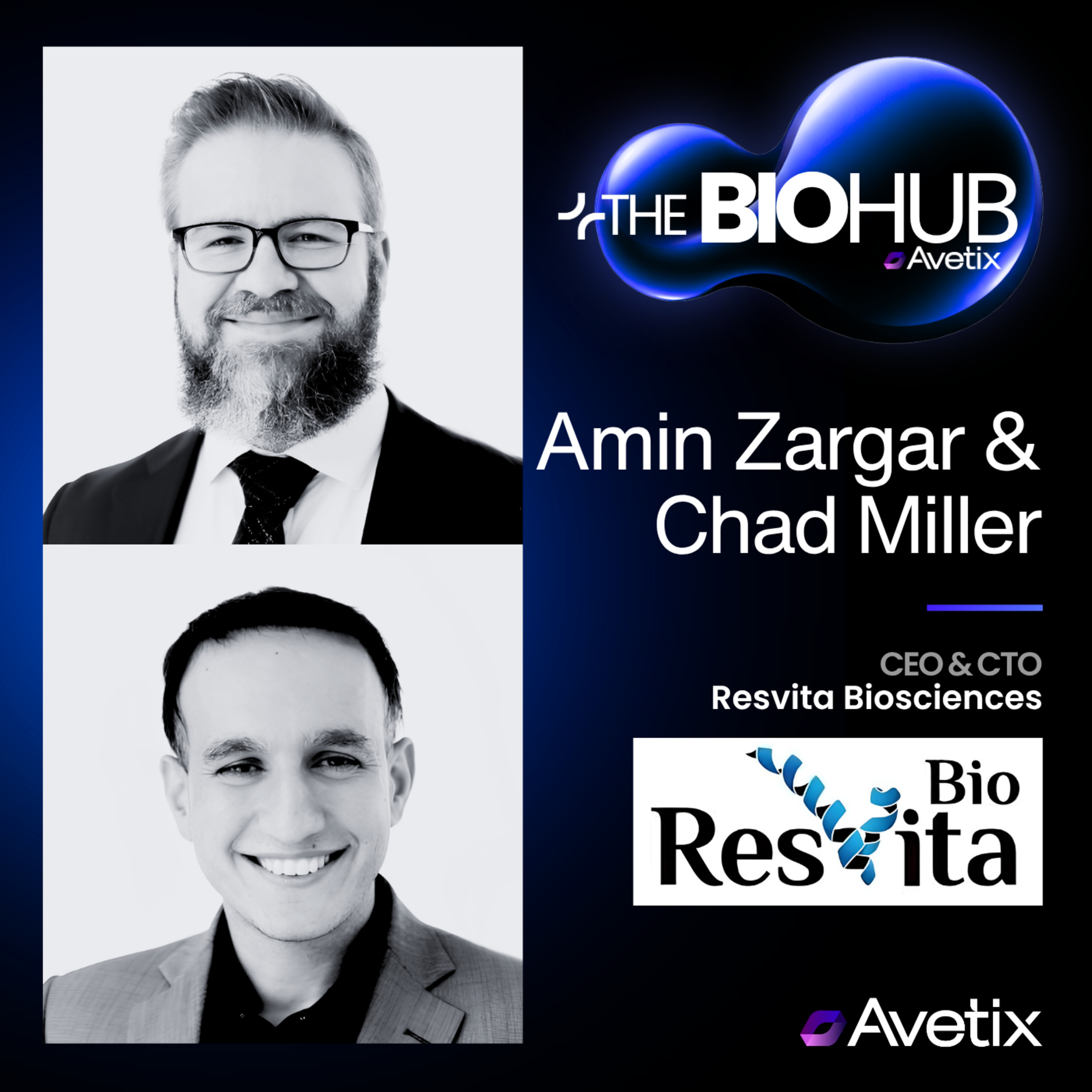
Resvita Bio's approach isn't about creating proteins from scratch. Instead, they use machine learning to 'read the book of life comprehensively,' analyzing how different organisms have evolved to solve the same biological problem. This allows them to synthesize nature's best solutions into an ideal therapeutic protein.
A major biotech revolution is underway as AI now enables effective 'in silico' (simulated) experiments. This shift from physical "wet labs" to cheap, infinitely scalable simulations drastically cuts time and cost for drug discovery, making audacious goals like curing cancer scientifically plausible.

Many diseases have well-understood genetic causes but lack effective treatments. Genesis CEO Evan Feinberg argues this makes drug discovery the most impactful area for AI, as it directly addresses the bottleneck of creating selective therapies for known targets where no medicine currently exists.