Get your free personalized podcast brief
We scan new podcasts and send you the top 5 insights daily.
Unlike compliance-heavy roles in banking or trading, venture capital encourages investors to create content and build a public profile. A personal brand becomes a strategic asset, helping to source deals and establish credibility in the ecosystem.

Related Insights
In a world of abundant capital, the ability to command attention for portfolio companies is the key differentiator for VCs. This creates a new competitive dynamic between traditional firms building media arms and influencers moving into venture.

In a crowded venture landscape, a VC's most significant value-add can be their distribution. For example, a single LinkedIn post from Harry Stebbings about a portfolio company generated $4 million in revenue for them. This demonstrates how a VC's audience can provide tangible, immediate value far beyond advice or capital.
Will Richards created his newsletter "Overnight Success" with the primary goal of getting a job in Venture Capital. He used it to build a reputation and persona in the Australian startup scene, which was cheaper and more effective than traditional job applications.

In the highly transactional world of venture capital, creating media offers a powerful way to build trust and credibility at scale before any meeting occurs. It allows investors and founders to establish genuine, non-transactional relationships based on shared ideas and perspectives.
The core function of a venture capitalist is deeply rooted in storytelling. Investors constantly sell a vision—to founders they want to back, to LPs in their fund, and to internal partners. This makes a hybrid investor-media role a natural extension of a VC's primary job.
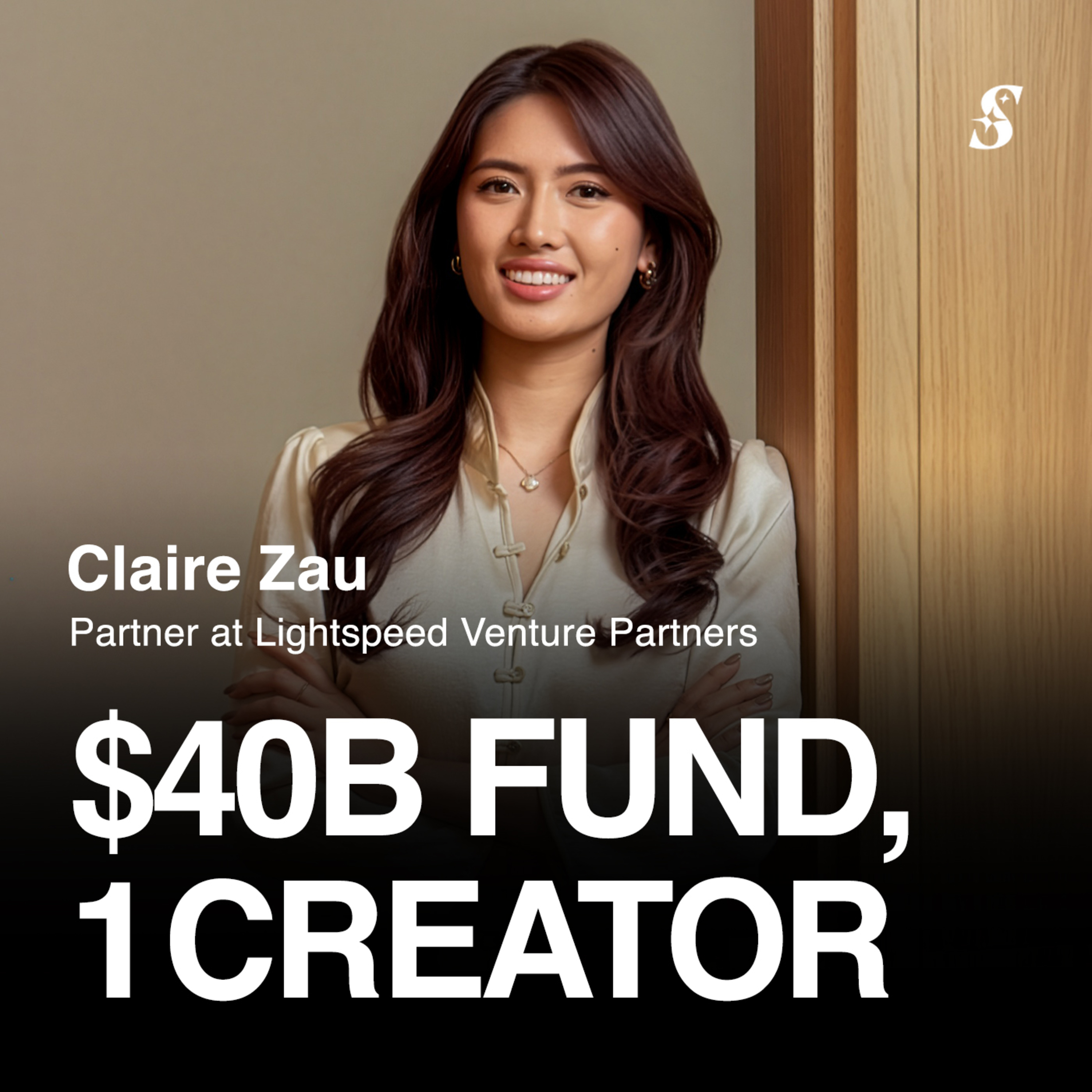
Venture capital is expanding beyond tech startups to invest in individual creators. Firms are creating dedicated funds to back influential figures in niche online communities, betting they can build valuable businesses on top of their personal brands and audiences.

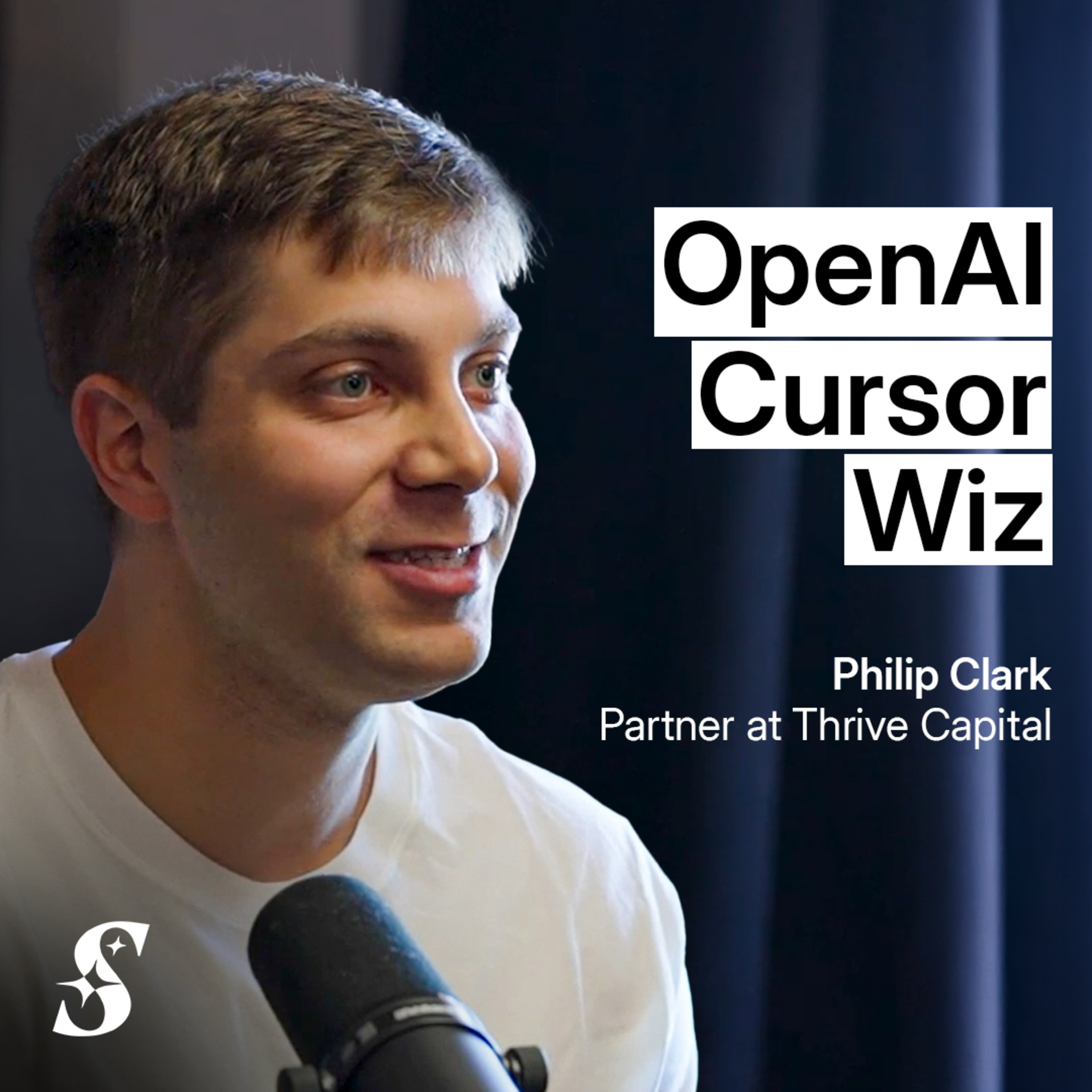
The speaker, Philip, caught the attention of Thrive's founder, Josh Kushner, by writing a niche Substack about semiconductors. This demonstrates that deep, public expertise in a specific domain can be a powerful way to network and find unique career opportunities in venture capital.
An investor's personal brand is an asset, not a conflict. Platforms like 'Zowie Talks' allow for independent idea refinement and public engagement, bringing diverse perspectives and deal flow back to the firm, much like Fred Wilson's influential blog did for USV.
The VC industry naturally favors younger professionals. They often have the time and energy for the "hustle" required, and can more easily become world-class experts in new, niche categories like e-sports or YouTube creation, surpassing the knowledge of more experienced generalist investors.

Traditional brand-building tactics like sponsoring conferences are "off-key" to young entrepreneurs. A modern VC brand is built organically through word-of-mouth, based on providing valuable inside knowledge, connections, and being genuinely helpful, not through loud marketing efforts.
