Get your free personalized podcast brief
We scan new podcasts and send you the top 5 insights daily.
Prime Minister Terence O'Neill's attempts at reform pleased no one. Civil rights activists saw his concessions as too little, too late. His own hardline unionist base saw any concession as a betrayal that would provoke a loyalist uprising. This classic moderate's dilemma, where compromise is seen as weakness by all factions, made his position untenable.

Related Insights
In geopolitics, clinging to a righteous cause you cannot win by force often means grinding your own people into poverty for decades. The logical, albeit difficult, response is to make concessions and focus on improving citizens' lives, rather than insisting on being 'right' while they suffer.

The most significant threat to a political ideology comes not from the opposing party, but from the 'lunatics' on its own side. These extreme factions can make the entire group appear foolish and unreasonable, doing more damage to their credibility than any opponent ever could.
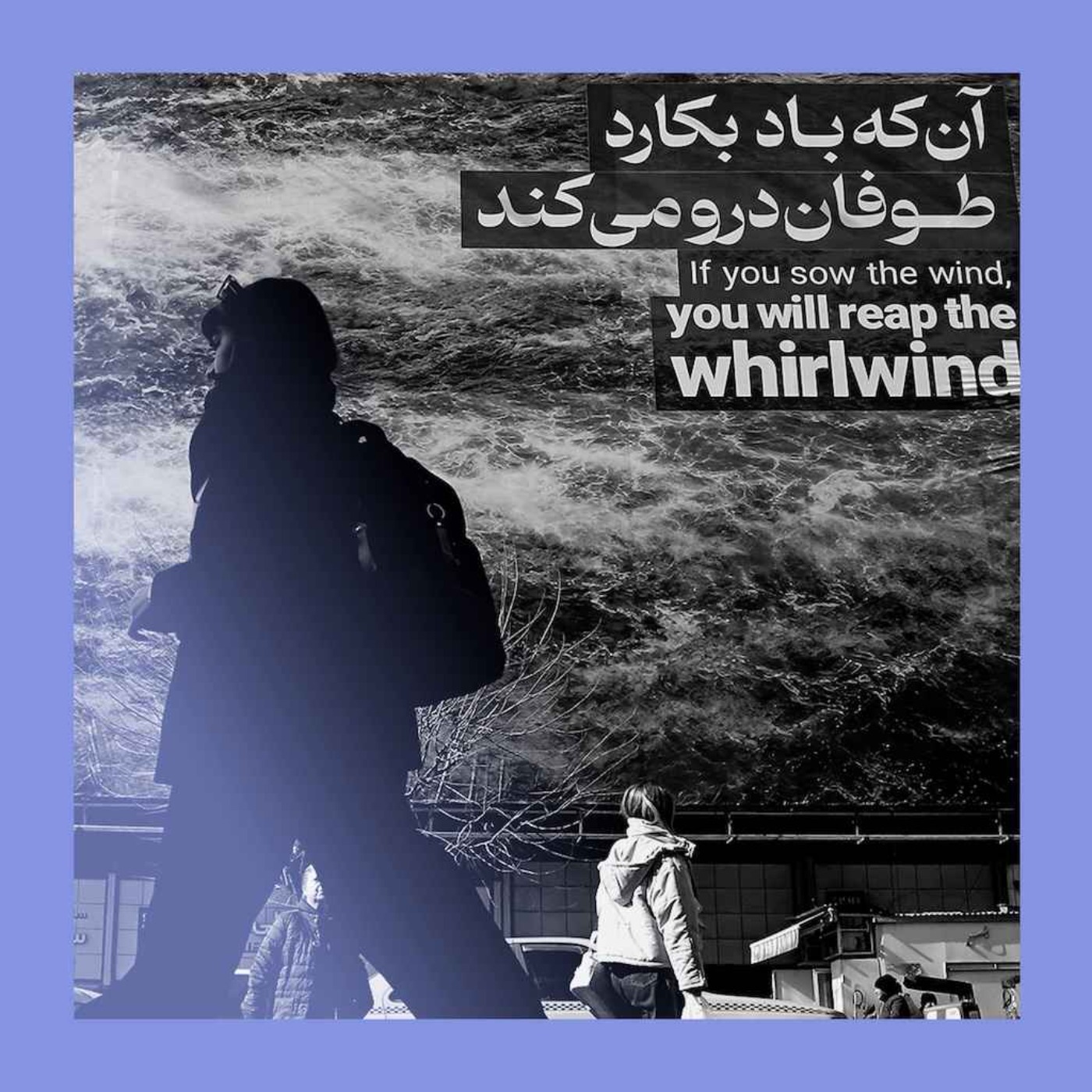
The intense violence from Iran's regime has eliminated political middle ground. The conflict is increasingly framed as a binary choice between the current Islamic Republic and a restored monarchy, marginalizing moderate voices who advocate for a democratic republic.
A savvy political strategy involves forcing opponents to publicly address the most extreme statements from their ideological allies. This creates an impossible purity test. No answer is good enough for the fringe, and any attempt to placate them alienates the mainstream, effectively creating a schism that benefits the opposing party.

For decades, British politicians viewed the "Irish Question" as solved, leading to a profound lack of interest and oversight. This ignorance allowed systemic discrimination against Catholics in Northern Ireland to continue unchecked within the UK's borders.
Prime Minister Terence O'Neill's efforts to attract foreign investment disrupted traditional Protestant-dominated industries. This economic change, rather than creating harmony, heightened anxieties among working-class Protestants who felt their privileged status was being eroded.
The American Civil Rights movement benefited from a booming economy, making change more palatable. In contrast, Northern Ireland's movement in the late 60s coincided with industrial decline. This economic anxiety made the Protestant working class fearful and resistant to Catholic demands, viewing them as a zero-sum threat to their own precarious status.
To articulate their identities, both Unionists and Nationalists drew parallels with international conflicts. Unionists saw themselves as a besieged people like Israelis, while Nationalists identified with Palestinians, using these global narratives to legitimize their local grievances.
The sectarian nature of Northern Ireland wasn't a hidden flaw; it was explicitly stated policy. The first Prime Minister, Sir James Craig, proudly proclaimed, "we are a Protestant parliament at a Protestant state," institutionalizing discrimination from the very top.
In times of extreme polarization, the political middle is not a safe haven but a kill zone. Moderates are targeted by both sides because they have no tribe to defend them. The escalating cost of neutrality forces everyone to pick a side, eliminating compromise and accelerating conflict.