Get your free personalized podcast brief
We scan new podcasts and send you the top 5 insights daily.
The Gist developed proprietary games like March Madness brackets to deepen engagement. Data shows users who participate are more likely to keep watching a tournament even after their favorite team is eliminated, demonstrating an ability to influence fan behavior—a key selling point for partners.

Related Insights
Platforms like Kalshi are creating a new type of sports media. Watching real-time probability curves shift during a game provides a dynamic, data-driven narrative that some users find more engaging than traditional sports commentary or community features. The market itself becomes the content.

The Gist structures its content for 'T-shaped fandom.' The newsletter provides broad coverage across many sports (top of the T) to keep users informed, while recognizing that their audience has a deep, passionate interest in just one or two sports (the stem), guiding future verticalization.
Unlike product marketing, sports marketing cannot control the core product’s performance (wins/losses). The primary job is to build deep, personal connections between fans and athletes. This creates emotional "insulation" where fan loyalty is tied to the people and the brand, not just unpredictable on-court results.

By launching 'Workle,' a spin on Wordle, 'The Assist' newsletter demonstrates that smaller media brands can adopt the successful interactive content strategies of giants like the New York Times. This tactic boosts brand affinity and daily engagement, proving that gamification is accessible beyond large corporations.
The direct financial windfall for sports leagues from betting has been smaller than anticipated. Its real value is as an "entertainment amplification" tool. Betting drives significantly deeper and more consistent fan engagement, especially through in-game micro-bets.

The podcast engages its Patreon community by having them suggest and then vote on topics in a 16-topic bracket. This gamified approach sources ideas directly from the most engaged listeners, ensuring high-interest episodes.

In sports, internal-facing marketing assets like pre-game videos serve a dual purpose. They are designed to energize the players, which directly enhances their performance and, by extension, the fan experience. This creates a feedback loop where fan entertainment and player motivation fuel each other.
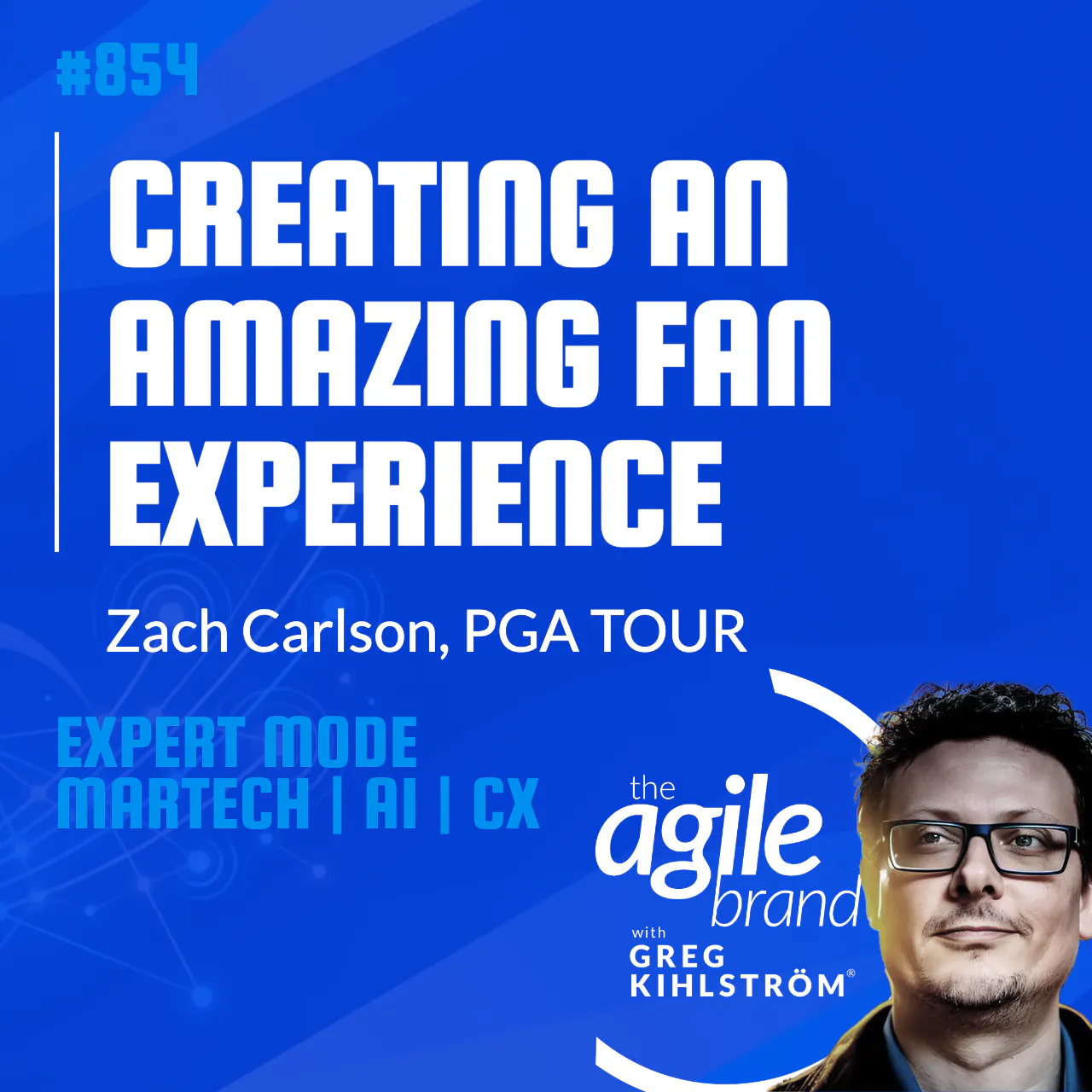
The PGA Tour measures engagement holistically, moving beyond simple satisfaction scores. Their index combines sentiment (NPS, CSAT), actual behavior (media consumption, digital visits, course play), and trend analysis to understand if initiatives are actively changing fan habits and deepening their connection to the brand.
In an era of fragmented media consumption, record-breaking viewership for the NCAA March Madness tournament highlights the unique and enduring power of live sports. These events serve as one of the few remaining monoculture moments capable of capturing massive, simultaneous national attention.

Instead of competing for expensive full-season sports rights, Netflix is selectively licensing unique, high-profile games like the MLB Home Run Derby. This "eventizing" strategy allows the streamer to enter the live sports market with lower risk while creating must-watch tentpoles that attract and retain subscribers.
