Get your free personalized podcast brief
We scan new podcasts and send you the top 5 insights daily.
Forced to play a small, tinny piano with broken keys, Keith Jarrett had to adapt his style. This constraint led to a unique, masterful performance that became his most successful work, demonstrating how obstacles and "messy" situations can foster unexpected creative breakthroughs.

Related Insights
Lacking a conventional skill (like instrumental dexterity) can be an advantage, as it forces you to explore unorthodox paths (like electronic music production). This leads to developing unique, valuable abilities that differentiate you from peers who rely on more traditional talents.

Art-o-mat repurposed cigarette vending machines, forcing over 400 participating artists to create work that fits within the precise dimensions of a king-sized hard pack. This strict, arbitrary constraint, inherited from a defunct technology, fosters creativity and defines the project's unique identity.

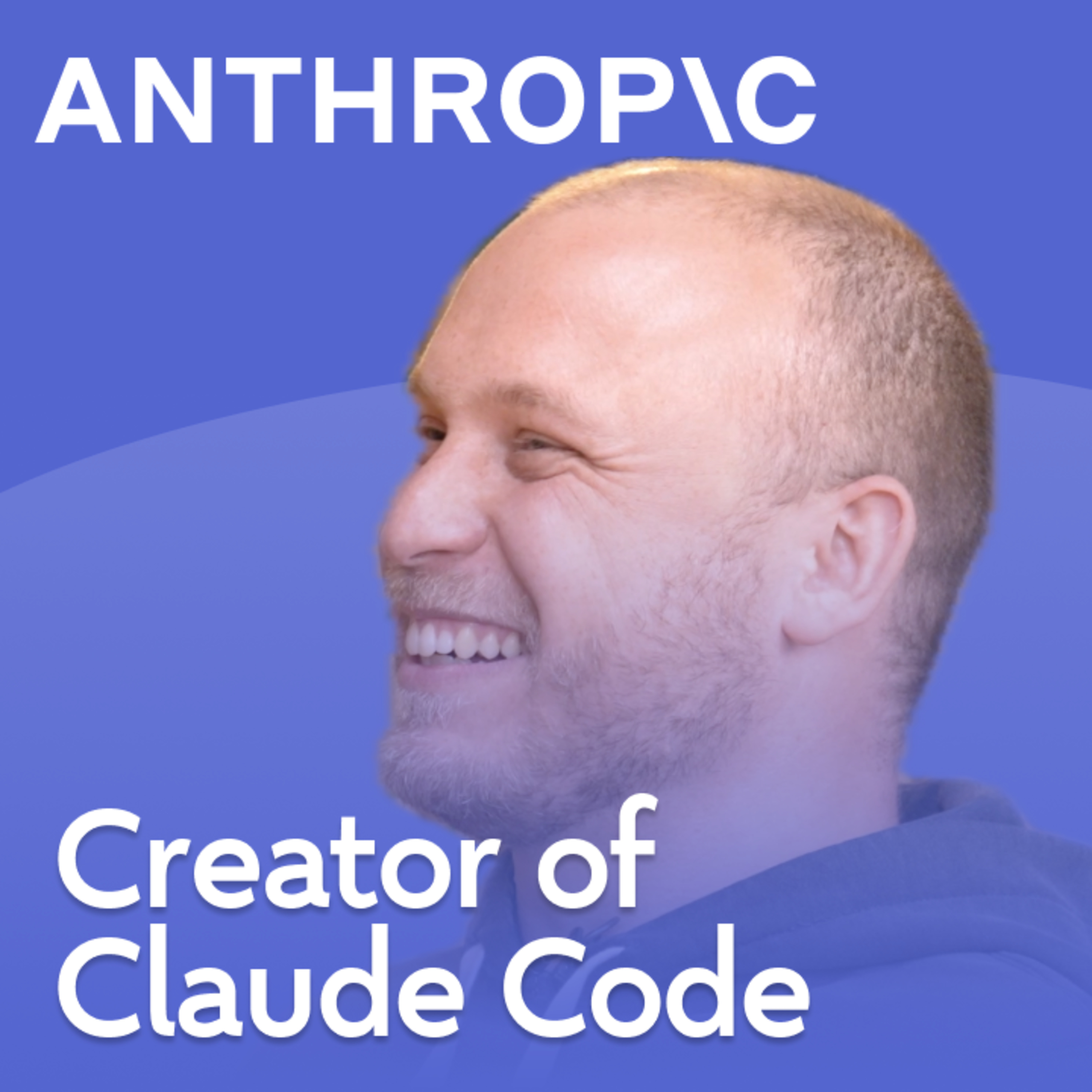
A severe physical limitation can be an unexpected catalyst for growth. Boris Cherny, after breaking both arms, was forced to find languages with fewer keystrokes. This led him to discover the power and efficiency of functional programming, fundamentally improving his coding approach.
Don't view limitations like budget cuts or recessions as purely negative. As architect Norman Foster told Guidara, constraints force you to be your most creative. Moments of adversity are when groundbreaking, efficient, and impactful ideas are often born out of necessity.

Rejection can spark creativity by closing an obvious path, forcing you to find an alternative. As interviewee Andy Kramer said, if you hit a wall, you must look for a door. This constraint forces innovative thinking and can lead to unexpected, often superior, outcomes that you wouldn't have discovered otherwise.

Perfectionism, which narrows focus and increases self-monitoring, can be short-circuited by introducing simple rules or constraints. Tactics like using your non-dominant hand or working within a grid lower the stakes, shifting the brain’s focus from a high-pressure outcome to a low-pressure process of experimentation.
The progression of skill isn't just unskilled to skilled to mastery. The highest level, virtuosity, is achieved when a practitioner intentionally invites variability and chance back into their practice. This allows for adaptation and the creation of truly new and free expressions, moving beyond the confines of a rigid technique.

Gaining more knowledge as a creator doesn't make the process easier; it expands the field of options and raises the stakes, creating bigger challenges. Choreographer Twyla Tharp cites late-career Beethoven, whose deafness forced him into a unique, mature creative space.

The hit song "Something Just Like This" only came together after four hours of unproductive ideation and Martin leaving the studio. This shows that creative persistence is key; the breakthrough often happens unexpectedly after a period of seemingly fruitless effort, requiring trust in the process.

Instead of striving for perfection, the key to overcoming creative blocks is to allow yourself to create subpar work. Acknowledging that 80-90% of an initial draft will be discarded lowers the stakes and makes it easier to begin the creative process.
