Get your free personalized podcast brief
We scan new podcasts and send you the top 5 insights daily.
While headlines focus on talent poaching by giants, the inflated compensation landscape has a silver lining for investors. It's driving an unprecedented number of acqui-hires where startups are acquired for their teams, providing excellent, non-traditional returns for early-stage funds.
Related Insights
The investment thesis for new AI research labs isn't solely about building a standalone business. It's a calculated bet that the elite talent will be acquired by a hyperscaler, who views a billion-dollar acquisition as leverage on their multi-billion-dollar compute spend.

Paying billions for talent via acquihires or massive compensation packages is a logical business decision in the AI era. When a company is spending tens of billions on CapEx, securing the handful of elite engineers who can maximize that investment's ROI is a justifiable and necessary expense.

Headline-grabbing, multi-million dollar offers for top AI researchers weren't isolated events. They created a ripple effect that has significantly and likely permanently inflated compensation for a wide range of tech roles, changing the hiring calculus for all companies.

In the AI arms race, a $10 billion investment from a trillion-dollar company is seen as table stakes. This sum is framed as the cost to secure a handful of top engineers, highlighting the massive decoupling of capital from traditional value perception in the tech industry.

Counter to the adage that "startups shouldn't buy startups," Cursor successfully uses M&A as a core recruiting strategy. They acquire small, talented teams working on complementary problems, viewing acquisitions as a way to onboard the best people who happen to already be working on their own companies.

In the hyper-competitive AI talent market, companies like OpenAI are dropping the standard one-year vesting cliff. With equity packages worth millions, top candidates are unwilling to risk getting nothing if they leave before 12 months, forcing a shift in compensation norms.
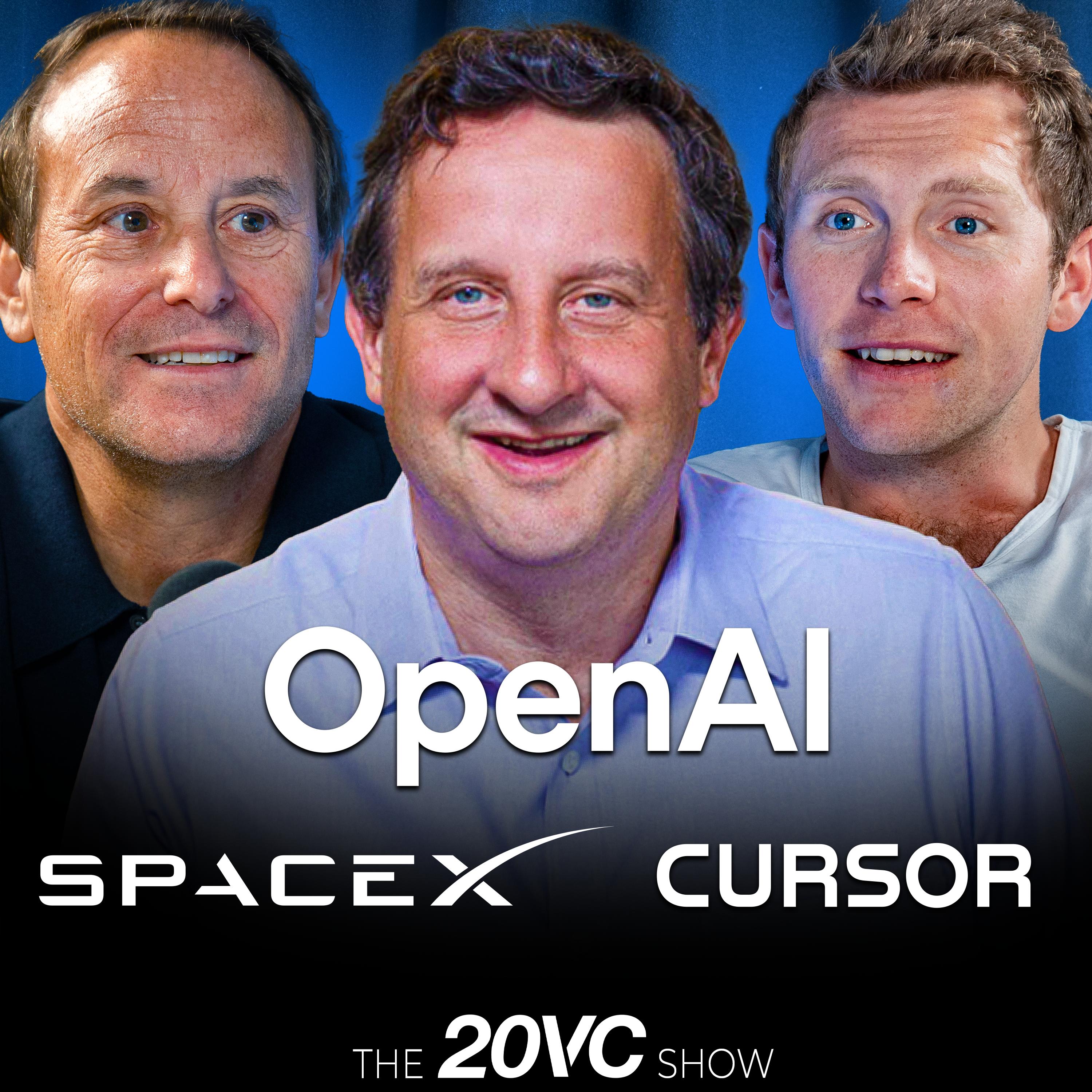
The drama at Thinking Machines, where co-founders were fired and immediately rejoined OpenAI, shows the extreme volatility of AI startups. Top talent holds immense leverage, and personal disputes can quickly unravel a company as key players have guaranteed soft landings back at established labs, making retention incredibly difficult.

Investing in the world's top AI research teams carries a unique risk profile. While the business outcome has high variance, the capital risk is asymmetric. The founders are so valuable that an acqui-hire is a highly probable outcome, creating a floor on the investment's value.
The traditional tech compensation hierarchy has inverted. Top AI engineers at companies like Meta are receiving four-year liquid stock packages worth a billion dollars, surpassing the illiquid, long-term carry of even the most successful venture capitalists. This marks a significant shift in the most lucrative roles in tech.
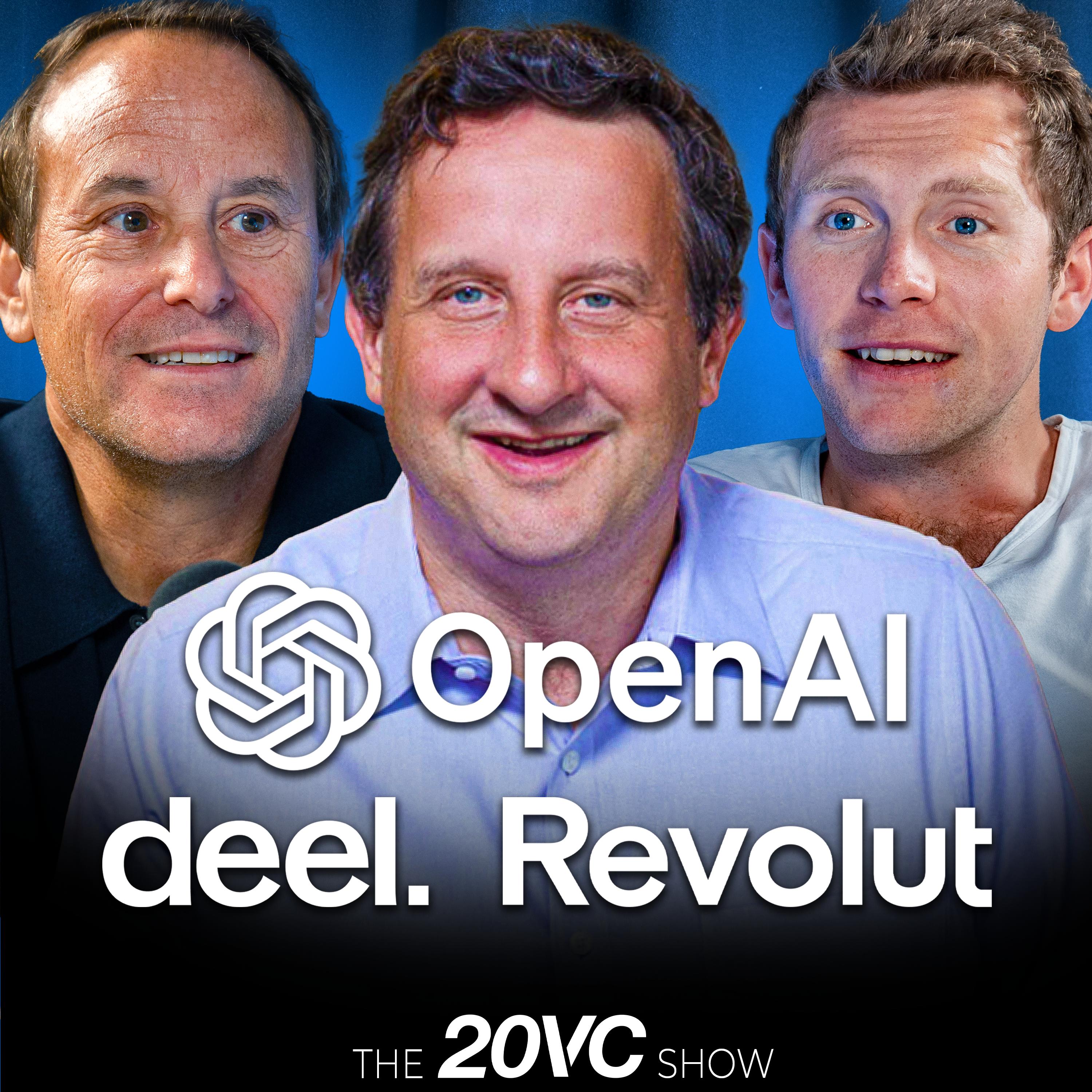
AI companies raise subsequent rounds so quickly that little is de-risked between seed and Series B, yet valuations skyrocket. This dynamic forces large funds, which traditionally wait for traction, to compete at the earliest inception stage to secure a stake before prices become untenable for the risk involved.