Get your free personalized podcast brief
We scan new podcasts and send you the top 5 insights daily.
Jason Kelly posits that since therapeutics currently dominate 90% of the cell engineering market, offshoring drug discovery to China means ceding control of the entire strategic field of genetic engineering, which has far broader future applications.

Related Insights
The U.S. prohibits gene therapies that alter sperm or eggs, preventing hereditary changes. China's more permissive stance on this "germline editing" allows its researchers to pursue permanent cures for genetic diseases, giving them a significant lead in a revolutionary field.

Jeremy Levin outlines China's deliberate, 25-year strategic plan for biotech, moving from API production to CROs, attracting scientific talent, creating lookalikes, and now developing novel medicines. He warns that unless the U.S. treats biotech as a strategic asset, China's state-driven approach will make it the dominant innovator within five years, partly funded by Western pharma investments.

In stark contrast to the US, Chinese investors are accelerating funding for early-stage cell and gene therapies, which now account for 29% of seed/Series A rounds. These firms are specifically backing technologies like NK cell therapies, which have fallen out of favor in the West, creating a divergent global innovation strategy.

China is no longer just a low-cost manufacturing hub for biotech. It has become an innovation leader, leveraging regulatory advantages like investigator-initiated trials to gain a significant speed advantage in cutting-edge areas like cell and gene therapy. This shifts the competitive landscape from cost to a race for speed and novel science.

Driven by significant government investment, China is rapidly becoming a leader in biotech R&D, licensing, and outsourcing. This shift is a top-of-mind concern for US biotech and pharma executives, with China now involved in a majority of top R&D licensing deals.

A deep philosophical and financial divide exists within the U.S. biopharma industry regarding China. Some leaders, like Ginkgo Bioworks' CEO, advocate for protectionist investment controls to counter Chinese competition. In contrast, others, like RA Capital's Peter Kolchinsky, argue such walls harm global innovation, revealing a core debate often aligned with financial interests.

China's rise in biotech isn't just about cost. It's driven by a tightly integrated ecosystem where drug designers and wet lab technicians work closely, creating a much faster feedback loop than the siloed, outsourced model common in the US.

According to investor Joe Edelman, China's main strength is developing new molecules. This means US and European firms will increasingly in-license drugs from China, creating fierce competition for the small US biotechs that traditionally filled this pipeline role for larger pharmaceutical companies.
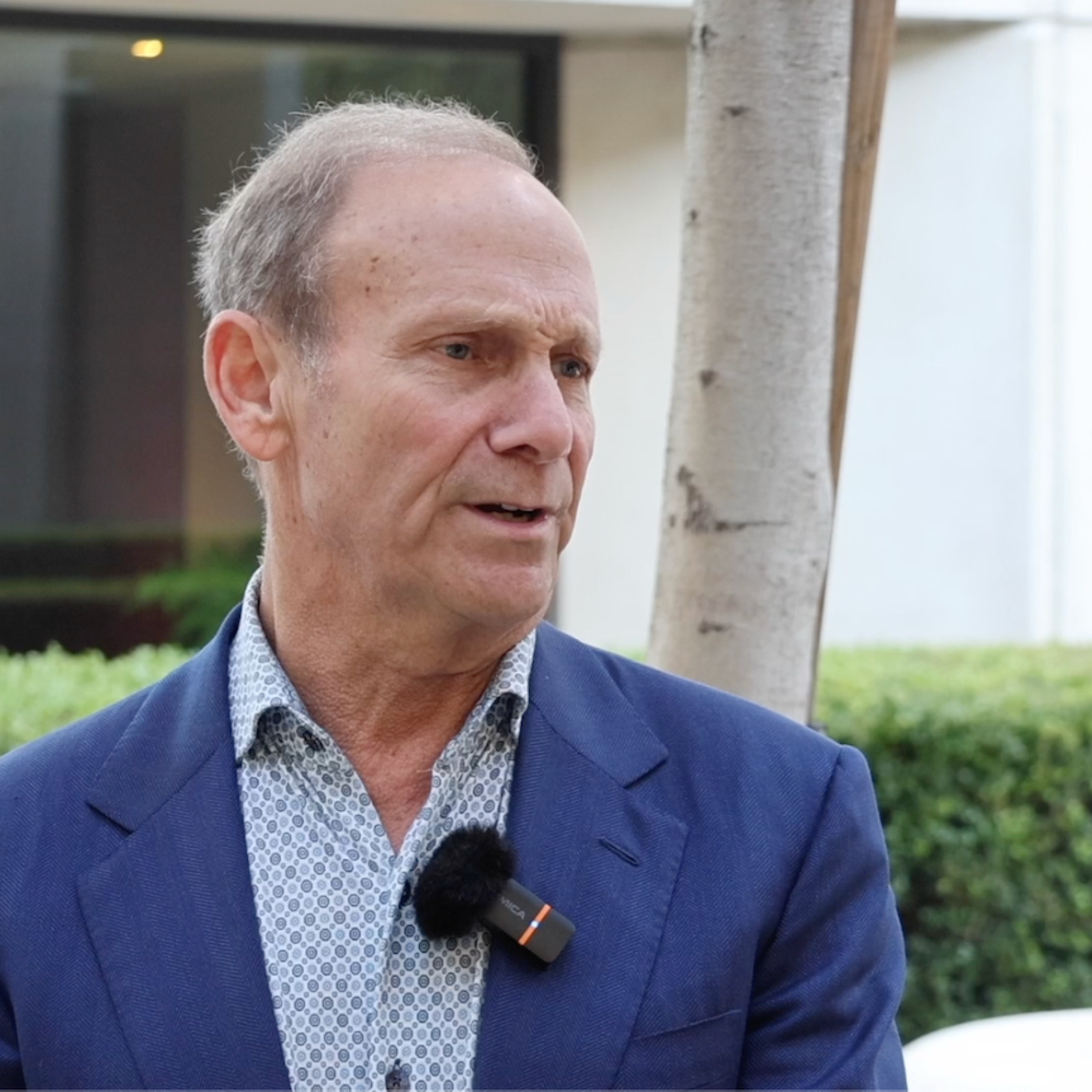
John Crowley, CEO of Bio, argues the best strategy for US biotech dominance is not protectionism. Instead, the focus should be on improving the US's own competitive advantages, like streamlining regulations and lowering innovation costs, to maintain its lead rather than trying to stifle Chinese research.
The next decade in biotech will prioritize speed and cost, areas where Chinese companies excel. They rapidly and cheaply advance molecules to early clinical trials, attracting major pharma companies to acquire assets that they historically would have sourced from US biotechs. This is reshaping the global competitive landscape.
