Get your free personalized podcast brief
We scan new podcasts and send you the top 5 insights daily.
Zoox intentionally designed its autonomous vehicle without a steering wheel or traditional car layout. This allows for optimal sensor placement for the AI driver and a unique, face-to-face cabin experience, betting that customer comfort will outweigh the familiarity of a retrofitted car.
Related Insights
The advent of general-purpose humanoid robots will accelerate autonomous driving. Instead of waiting for car manufacturers to integrate self-driving hardware, a robot can physically sit in the driver's seat of any car and operate it, turning legacy vehicles into self-driving ones instantly.

Instead of creating bespoke self-driving kits for every car model, a humanoid robot can physically sit in any driver's seat and operate the controls. This concept, highlighted by George Hotz, bypasses proprietary vehicle systems and hardware lock-in, treating the car as a black box.

Beyond autonomy, Waymo's key advantages are its AI-powered route optimization, which consistently finds faster paths than human drivers, and its smooth, predictable driving style. This consistent experience eliminates the car sickness common in ride-sharing, creating a more productive and pleasant commute.

The future of autonomous vehicles (AVs) will be defined by their interior configuration, creating distinct "apps" for different social contexts. A vehicle like Zoox with face-to-face seating becomes a space for meetings or family time, suggesting the AV market will segment based on the desired in-car experience.
Contrary to displacement fears, driverless taxis like Waymo are carving out a new, expensive market segment. They cater to a different customer base—likely former private car users—thereby increasing overall demand for ride services rather than just cannibalizing the traditional taxi market.

The cautious and sometimes slow nature of current driverless AI makes it unsuitable for passengers in a hurry. This technological limitation has created a specific market: users who prioritize a calm, private experience over speed, such as for a relaxed evening out rather than a time-sensitive commute.
Traditional vehicles have complex, disparate wiring and compute systems. Applied Intuition first simplifies this into a centralized "one box" architecture, which is a necessary step before they can effectively deploy advanced autonomy and AI capabilities, much like developing apps for a modern smartphone.
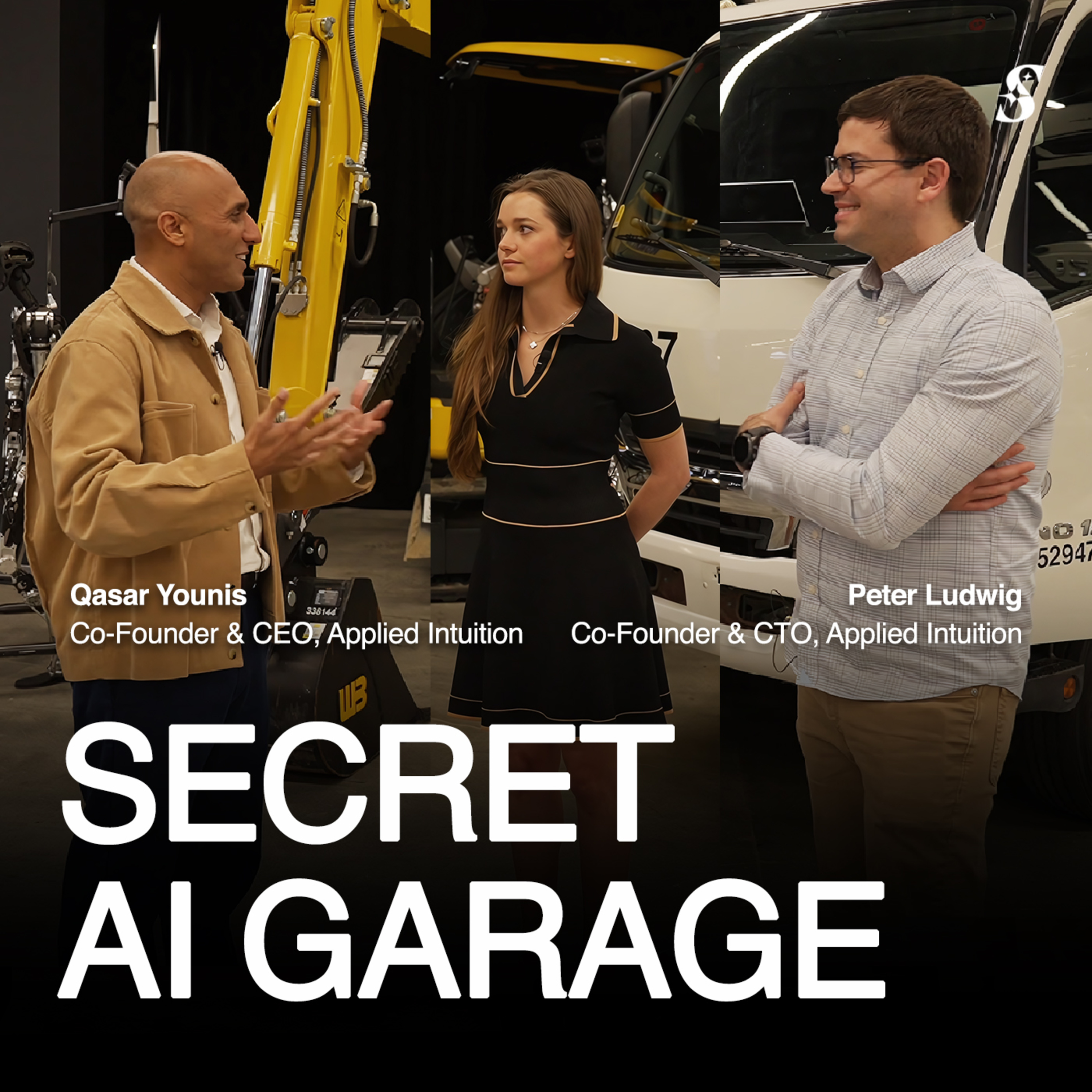
The economic case for autonomous trucks isn't just saving on driver salary. By designing a "cab-less" vehicle from scratch, the entire truck becomes lighter and cheaper to build, allowing the total equipment cost to be competitive with traditional diesel trucks.

Data shows consumer confidence in autonomous vehicles is only 20% among people who haven't ridden in one, but jumps to 76% after a single ride. This highlights that the experience itself, not marketing or safety data, is the most critical factor for adoption.

Autonomous ride-sharing services have a specific, powerful appeal to women. The driverless experience eliminates the social friction and potential safety concerns associated with male drivers, such as unwanted conversation or harassment. This makes services like Waymo a more comfortable and preferred option for a key user demographic.
