Get your free personalized podcast brief
We scan new podcasts and send you the top 5 insights daily.
Europe, despite excellent science, lost its co-equal status in drug development to the U.S. due to restrictive pricing and lack of growth capital. These same challenges are now emerging in the U.S., threatening its innovation leadership as China accelerates its efforts.

Related Insights
The high cost and time required for US clinical trials create a rational economic incentive for companies and investors to move operations to China. The solution isn't to match China's low costs, but to significantly improve US efficiency to make domestic investment more competitive.

The U.S. market's high prices create the large profit pool necessary to fund risky drug development. If the U.S. adopted price negotiation like other countries, the global incentive for pharmaceutical innovation would shrink, resulting in fewer new drugs being developed worldwide.

In a striking reversal from 2024, large European pharmaceutical companies secured 13 FDA approvals while their eight largest US counterparts received only four. No single US company had more than one new drug approval, highlighting a significant performance gap and a potential shift in R&D pipeline productivity between the two regions.

Through massive government investment in biotech infrastructure, China has become the global hub for early-stage clinical drug development. Both Chinese and Western companies now conduct initial human trials there to move much faster and at a significantly lower cost, giving China a strategic foothold in the pharma value chain.

While China is a rising competitor, the real danger to America's biotech leadership is the weakening of its own foundational pillars. Eroding NIH funding, restrictive immigration for top talent, and inefficient regulatory processes pose a greater risk than any single foreign nation.

Driven by significant government investment, China is rapidly becoming a leader in biotech R&D, licensing, and outsourcing. This shift is a top-of-mind concern for US biotech and pharma executives, with China now involved in a majority of top R&D licensing deals.

According to investor Joe Edelman, China's main strength is developing new molecules. This means US and European firms will increasingly in-license drugs from China, creating fierce competition for the small US biotechs that traditionally filled this pipeline role for larger pharmaceutical companies.
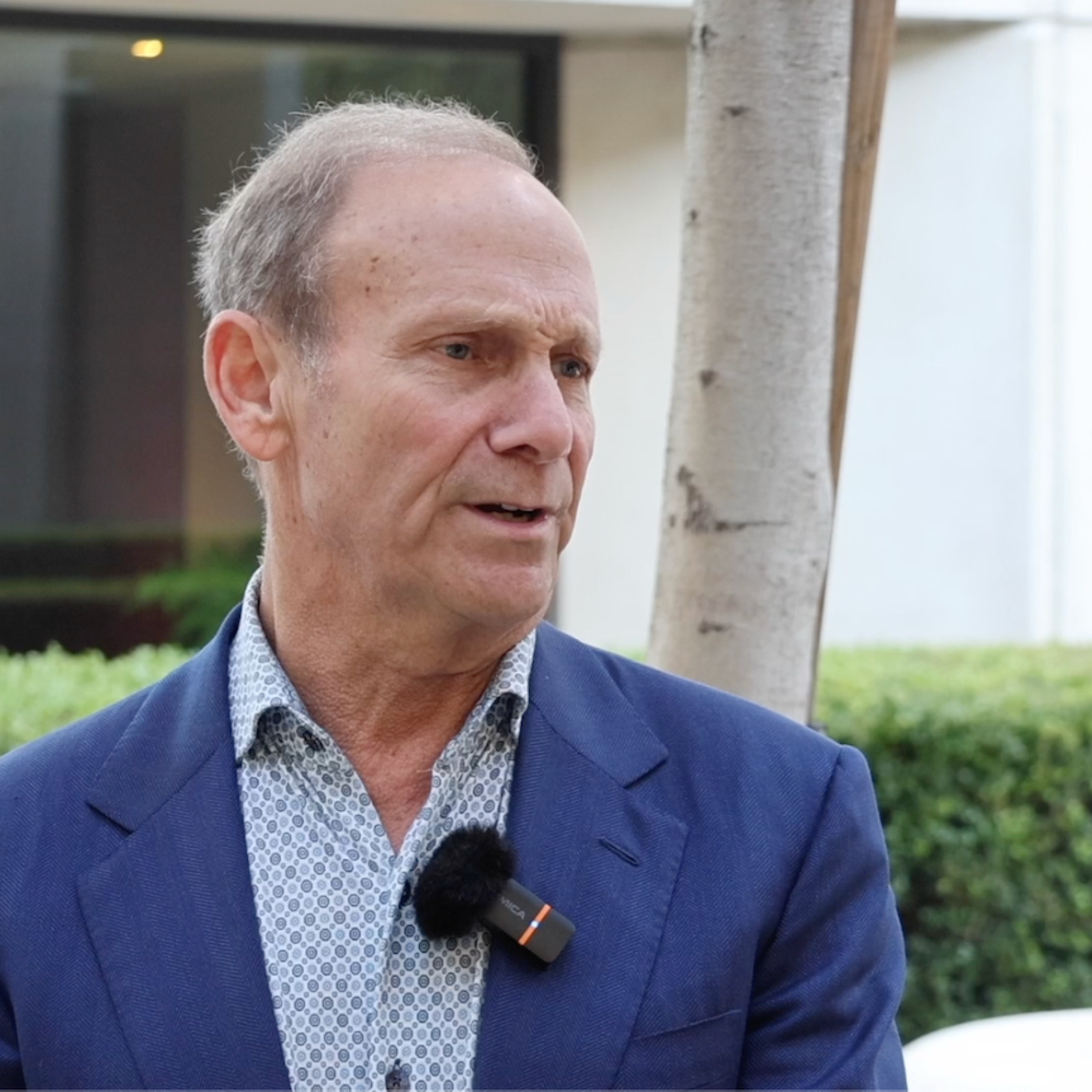
John Crowley, CEO of Bio, argues the best strategy for US biotech dominance is not protectionism. Instead, the focus should be on improving the US's own competitive advantages, like streamlining regulations and lowering innovation costs, to maintain its lead rather than trying to stifle Chinese research.
The increasing innovation and speed from China puts pressure on the U.S. biotech ecosystem. To remain competitive, the U.S. must focus on collaboration and address its own systemic issues, such as slow trial execution and the high cost of getting a drug to the IND stage.
The next decade in biotech will prioritize speed and cost, areas where Chinese companies excel. They rapidly and cheaply advance molecules to early clinical trials, attracting major pharma companies to acquire assets that they historically would have sourced from US biotechs. This is reshaping the global competitive landscape.
