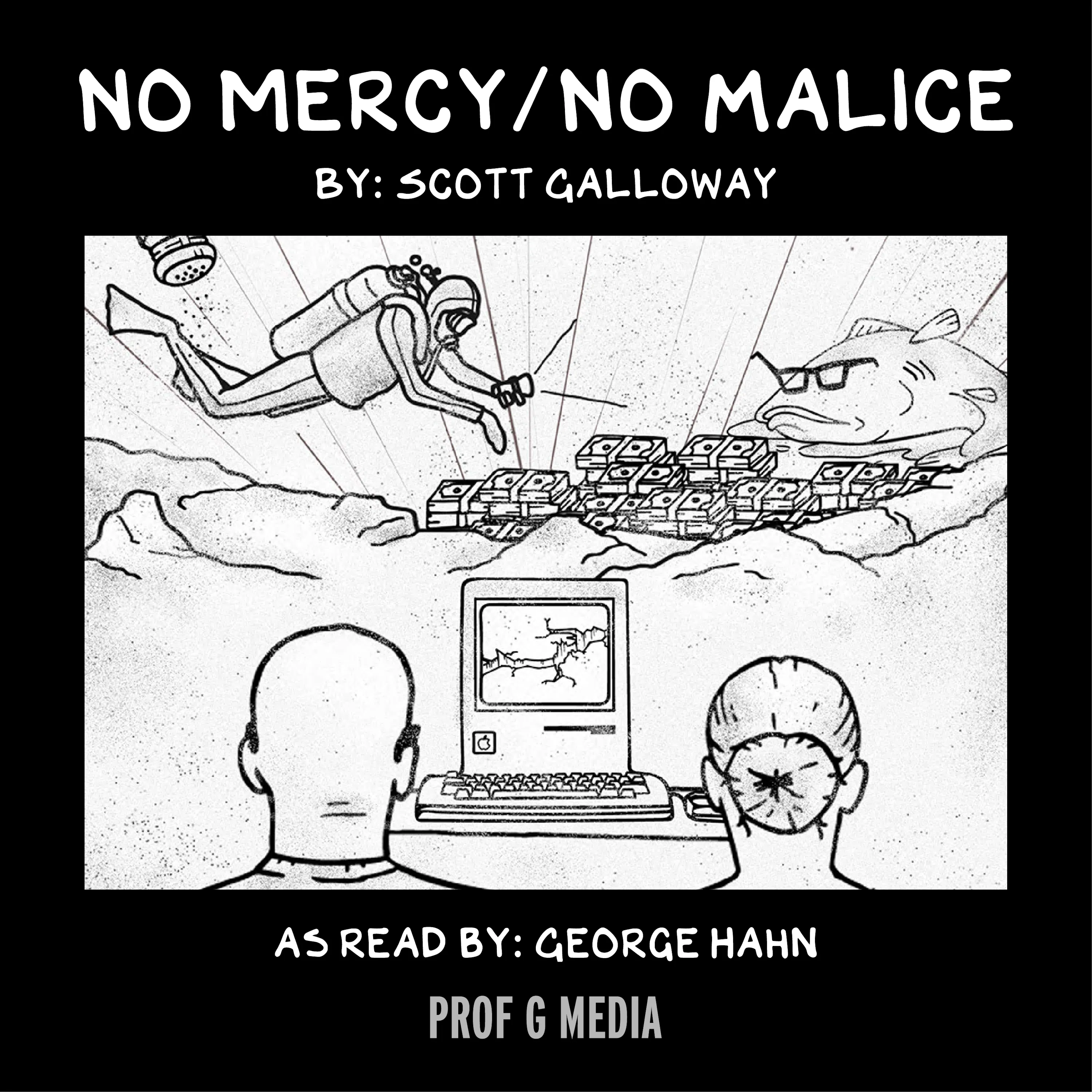
Using Daniel Kahneman's framework, the analysis shows we react to the visible, immediate impacts of a crisis (e.g., energy prices) due to our intuitive 'fast thinking'. We fail to grasp the more catastrophic but less obvious second-order effects (e.g., famine) which require deliberate 'slow thinking' to comprehend, leading to a dangerous underestimation of systemic risks.
The closure of a maritime strait like Hormuz doesn't just disrupt energy markets. It triggers a domino effect across the global supply chain, creating shortages in essential but overlooked materials like helium. This directly pits critical industries, such as AI development and healthcare (which relies on helium for MRI machines), against each other for scarce resources.
The most significant danger from a nation controlling a key waterway isn't the immediate cost of a blockade, but the precedent it sets. Allowing one country to charge a 'toll' for passage normalizes this behavior, risking a global shift from freedom of navigation to a system of regional protection rackets, empowering other nations to control trade routes like the South China Sea.
Disruptions to key trade routes, which spike fertilizer prices and jam food supply chains, act as a 'slow motion famine machine'. Historically, from the French Revolution to the Arab Spring, such sharp increases in food insecurity and prices have been a primary catalyst for riots, revolution, and widespread political instability, creating a vicious 'conflict trap'.