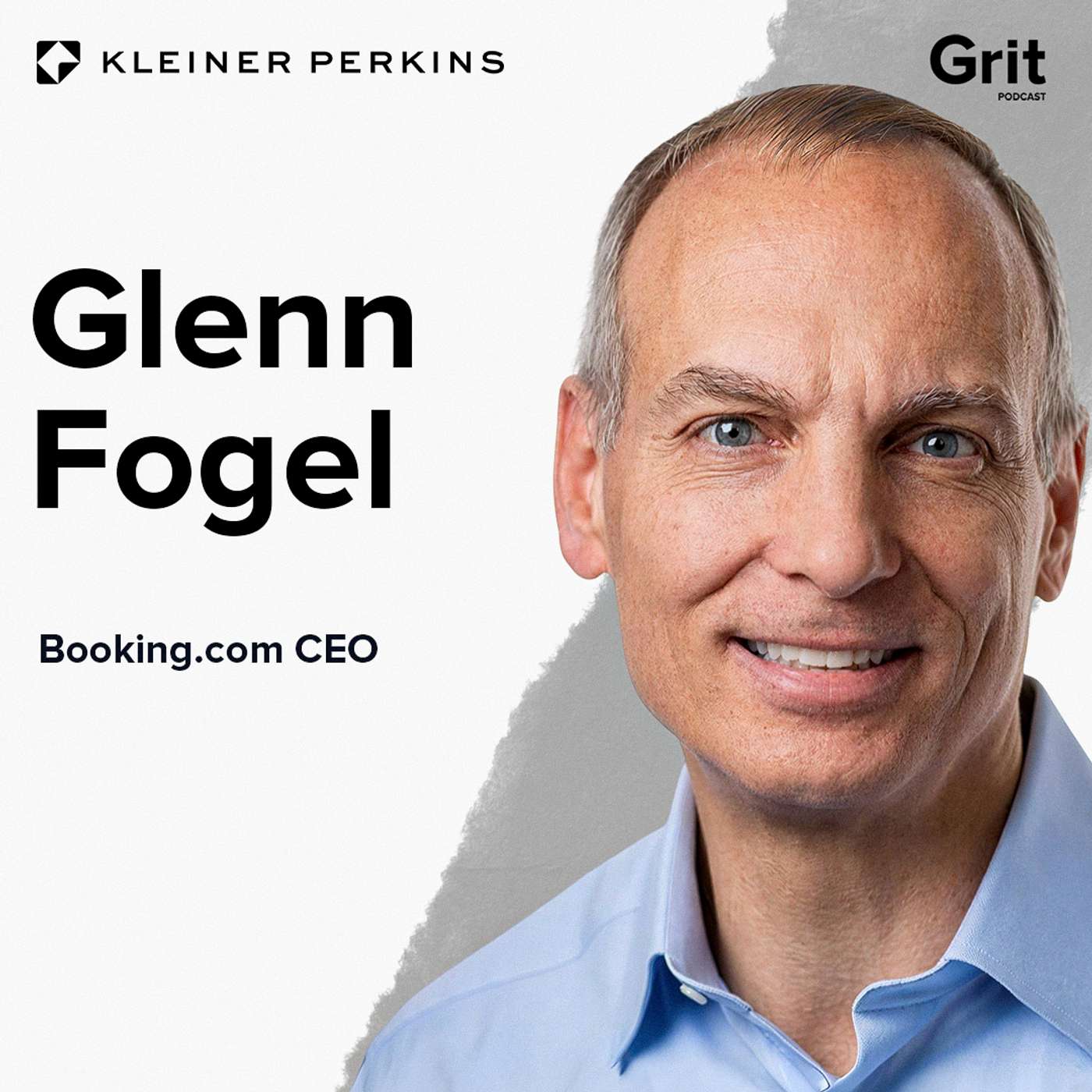
Glenn Fogel, CEO of a company with a market cap exceeding $130 billion, intentionally stays in inexpensive hotels to set a culture of fiscal discipline. He believes in "leading from the front" to reinforce the importance of cost-consciousness throughout his 25,000-person organization.
Glenn Fogel views being fired as a "very good learning" experience. It provided him with the crucial perspective of being on the receiving end, enabling him to handle the difficult task of letting people go with more empathy and understanding later in his career.
A surprising aspect of becoming CEO for Glenn Fogel was realizing he was always being watched by his employees. He learned to be more measured and thoughtful, even with jokes, as off-the-cuff remarks can be easily misinterpreted and have an outsized impact on the company.
Booking.com’s early agency model (commission after stay) was preferred by travelers and hotels but created a cash-flow crunch during high growth. Priceline's acquisition provided the capital needed to fund this negative cash cycle, enabling them to out-scale competitors.
Counterintuitively, Booking.com's CEO finds it easier to work out daily while traveling. Being on the road eliminates the social and family distractions of home life, simplifying his schedule to two core priorities: work and fitness, which fosters greater consistency.
Booking.com's global success depends on accommodating local payment preferences. Most people outside the US don't use Visa or Mastercard, so the company must integrate dozens of regional methods like Alipay in China or M-Pesa in Kenya, managing complex FX and regulatory risks to succeed.
Glenn Fogel attributes his work ethic and perseverance to a life-altering stroke in high school that left him paralyzed and unable to communicate. The intense, disciplined effort required for his recovery became the foundation for the "grit" he applied throughout his career.
Booking.com's CEO views AI literacy as a corporate responsibility, not just a benefit. He is focused on upskilling every employee to use AI tools, ensuring that if their role becomes obsolete, they are better equipped for the future job market rather than being left behind.