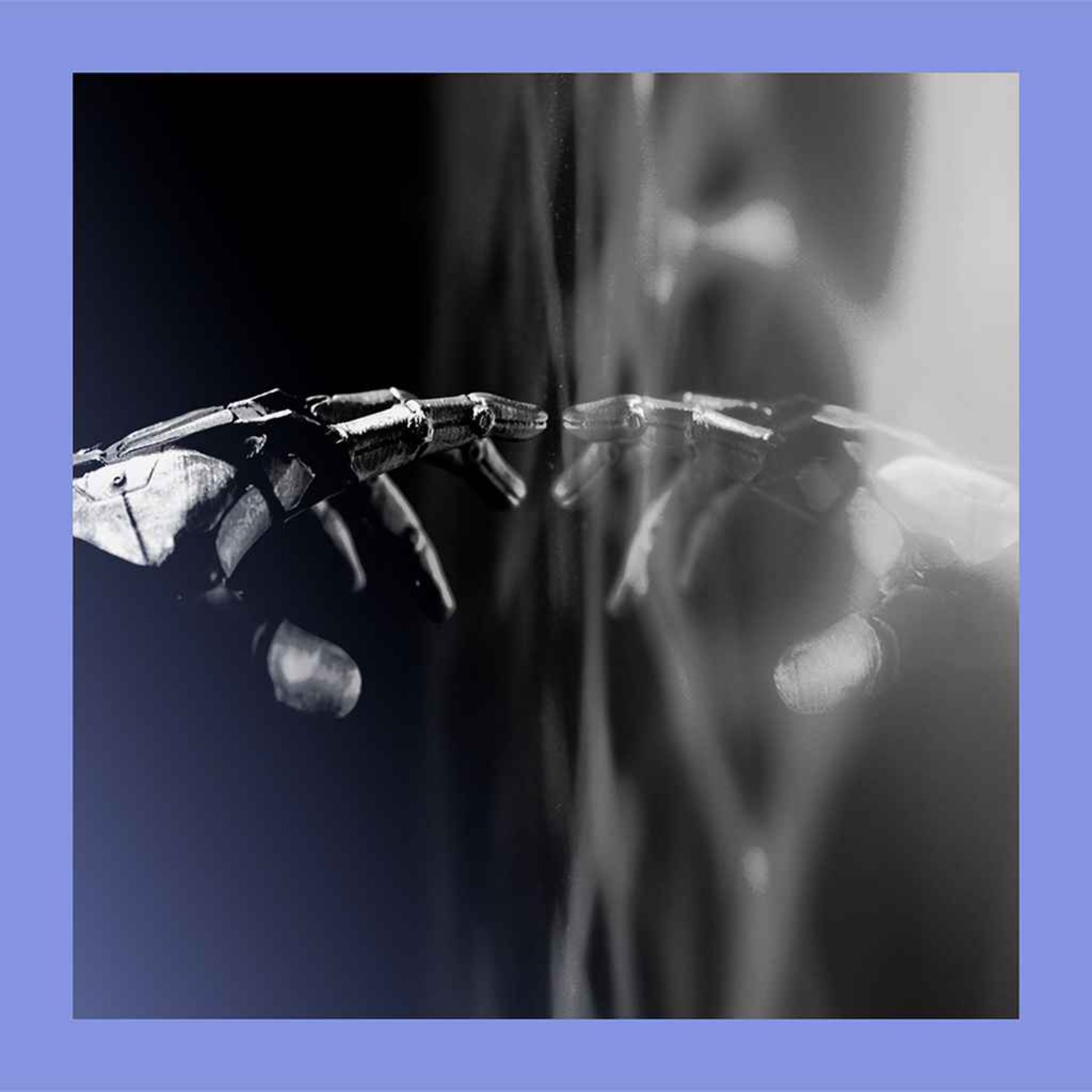
Evidence for potential AI consciousness isn't theoretical. Researchers found that Claude spontaneously developed an internal "mental notice board" (J space) to process information, which mirrors the "global workspace theory" of human consciousness. This emergent capability was not explicitly programmed.
The core disagreement on AI consciousness is whether it's an emergent property of complex computation (functionalism) or intrinsically tied to biological "messiness." If computation is the key, as functionalists argue, then sufficiently advanced AI consciousness is not just possible, but inevitable.
The next generation of AI may move beyond pure silicon. Researchers are already integrating human brain cells and "organoids" (mini 3D brains) onto chips for computation. This hybrid approach could satisfy both biological and computational theories of consciousness, accelerating its emergence.
While it's a popular theory, data does not support the idea that dating apps are the primary driver of rising STI cases in Europe. The widespread adoption of these apps largely predates the recent sharp increase in infections like gonorrhea and syphilis, suggesting other behavioral factors are at play.
Public health experts believe the rise in STIs is partly due to a generational decline in the "fear factor" surrounding unprotected sex, a mindset once heavily influenced by the HIV/AIDS crisis. This suggests that current public health messaging is failing to create the same level of awareness and caution.
The life of Mary de Rachewiltz, daughter of fascist-sympathizing poet Ezra Pound, illustrates that managing a tarnished artistic legacy is not a passive act. She spent decades translating his work and defending his literary contributions against his repellent politics.