Get your free personalized podcast brief
We scan new podcasts and send you the top 5 insights daily.
The AGAVE-201 trial for axatilimab found that a low dose (0.3 mg/kg) given every two weeks was superior to a higher dose given every four weeks. This suggests the drug's mechanism depends on consistent, rather than peak, target inhibition, a key pharmacological insight for future drug development and dosing strategies.

Related Insights
After observing deep, MRD-negative responses at their starting dose, Colonia Therapeutics unconventionally tested a lower dose level. This counter-intuitive strategy aims to identify the minimum effective dose, which is crucial for maximizing the safety profile (the therapeutic window) and improving commercial viability through lower manufacturing costs.
Trials adding an investigational drug to steroids for initial chronic GVHD treatment consistently fail because many patients respond to steroids alone in the short term. This early efficacy masks the new drug's potential benefit, leading to failed studies (e.g., with mycophenolate, ibrutinib, belumosudil) and a push towards new trial designs.
Despite being an FDA-approved option, ibrutinib is now rarely used for chronic GVHD. Real-world data reveals lower efficacy than in its pivotal trial (45% vs 60% ORR) and a high rate of discontinuation due to toxicity (42%). This demonstrates how newer agents with better risk-benefit profiles can quickly displace established therapies in clinical practice.
A common theme across the four FDA-approved agents for steroid-refractory chronic GVHD (ibrutinib, belumosudil, ruxolitinib, axatilimab) is a high overall response rate driven primarily by partial remissions. The low rate of complete responses (CRs) highlights a significant unmet need and an opportunity for combination therapies or novel mechanisms.
Immunotherapy antibodies bind to immune cells for weeks or months, a pharmacodynamic (PD) effect far longer than their pharmacokinetic (PK) half-life. This long-lasting binding suggests that minor variations in infusion timing for subsequent doses are unlikely to impact overall outcomes, casting doubt on the study's core hypothesis.

The drug's mechanism avoids maximum suppression, instead aiming for a precise balance—"not too much, not too little." This "Goldilocks" approach to intercepting BAF and APRIL cytokines is key to resolving inflammation and stabilizing kidney function without causing excessive immunosuppression, a critical differentiator in autoimmune therapies.

The next frontier in CSCC isn't just about new drugs, but about optimizing existing ones. A key research area is determining the minimum number of immunotherapy doses required for an optimal response—potentially just one or two—to limit toxicity, reduce treatment burden, and personalize care for high-risk patients.
Data on Enfortumab Vedotin suggests that for modern therapies, maintaining patients on treatment longer via a lower, more tolerable starting dose is more important than administering the maximum labeled dose upfront, a concept inherited from the cytotoxic chemotherapy era.
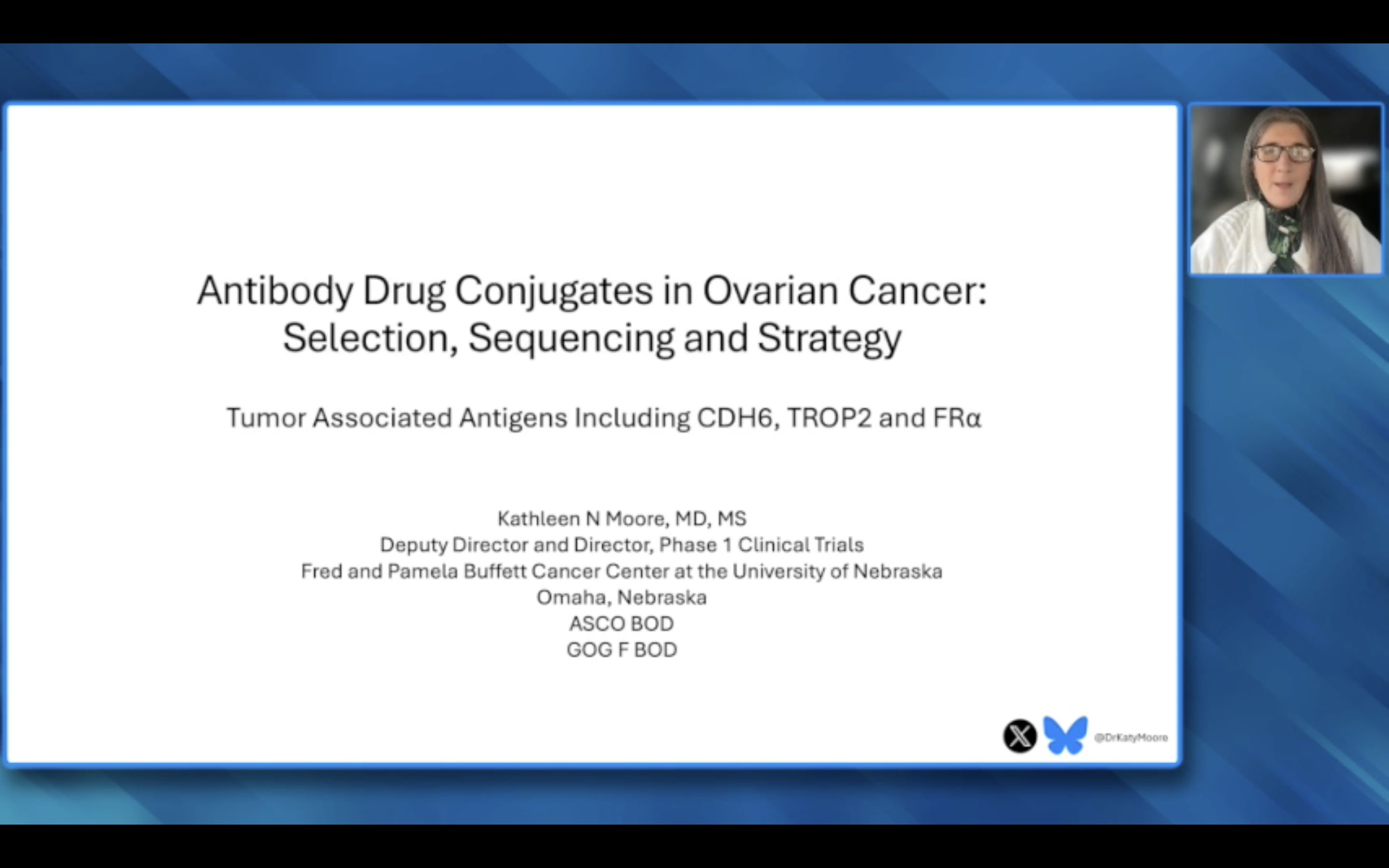
As multiple effective Antibody-Drug Conjugates (ADCs) become available, the primary clinical challenge is no longer *if* they work, but *how* to use them best. Key unanswered questions involve optimal sequencing, dosing for treatment versus maintenance, and overall length of therapy, mirroring issues already seen in breast cancer.
Despite lacking a placebo group, the stark difference in outcomes between uniQure's high-dose and low-dose cohorts offers a strong signal of the drug's effect. The high-dose group showed a 75% slowing of progression, a compelling piece of evidence the FDA appears to be discounting.
