Get your free personalized podcast brief
We scan new podcasts and send you the top 5 insights daily.
After Thrive's quick, successful exit from Instagram, Josh Kushner expected congratulations from mentor John Winkle-Reed (now TPG CEO). Instead, he got a piercing lesson on humility: 'never believe your own bullshit.' This became a core tenet at the firm, reminding them to stay grounded amidst success.
![Josh Kushner - Concentration and Conviction - [Invest Like the Best, EP.459] thumbnail](https://megaphone.imgix.net/podcasts/77704aec-0c73-11f1-9aef-47fb47e3545b/image/060e44d6c87ea078f34c6cfa0d7470a9.jpg?ixlib=rails-4.3.1&max-w=3000&max-h=3000&fit=crop&auto=format,compress)
Related Insights
Contrary to the belief that wealth enables better leadership, Bouaziz argues it can be a 'trap.' He has observed successful founders get distracted by newfound wealth, pulling their attention from the business and causing it to stagnate. This period of underperformance often continues until a crisis or board pressure forces them to refocus on their core responsibilities.

Drawing an analogy to legendary music producer Rick Rubin, an investor's role is to help a founder find the most authentic and compelling version of their own story. The goal is not to invent a narrative, but to draw out the founder's core truth and channel it through their company.

The entrepreneurial journey is a paradox. You must be delusional enough to believe you can succeed where others have failed. Simultaneously, you must be humble enough to accept being "punched in the face" by daily mistakes and bad decisions without losing momentum.

Founders often experience extreme emotional volatility, swinging from euphoria after a win to despair after a setback. The key is to understand that neither extreme reflects the true state of the business. Maintaining a level-headed perspective is crucial for long-term mental health and sustainable leadership.

A founder must simultaneously project unwavering confidence to rally teams and investors, while privately remaining open to any evidence that they are completely wrong. This conflicting mindset is essential for navigating the uncertainty of building a startup.

Guided by Marcus Aurelius's 'Meditations,' Thrive’s culture strives to be 'the same man in both good times and in bad times.' This principle helped the team remain unfazed by a decade of criticism and now helps them stay grounded amidst praise, ensuring they don't get distracted by external validation.
Many VC firms hire former operators for their expertise, but success isn't guaranteed. The best operator-VCs avoid the urge to "backseat drive" the companies they fund. Instead, they leverage their experience with extraordinary humility, acting as a supportive advisor rather than a replacement CEO.

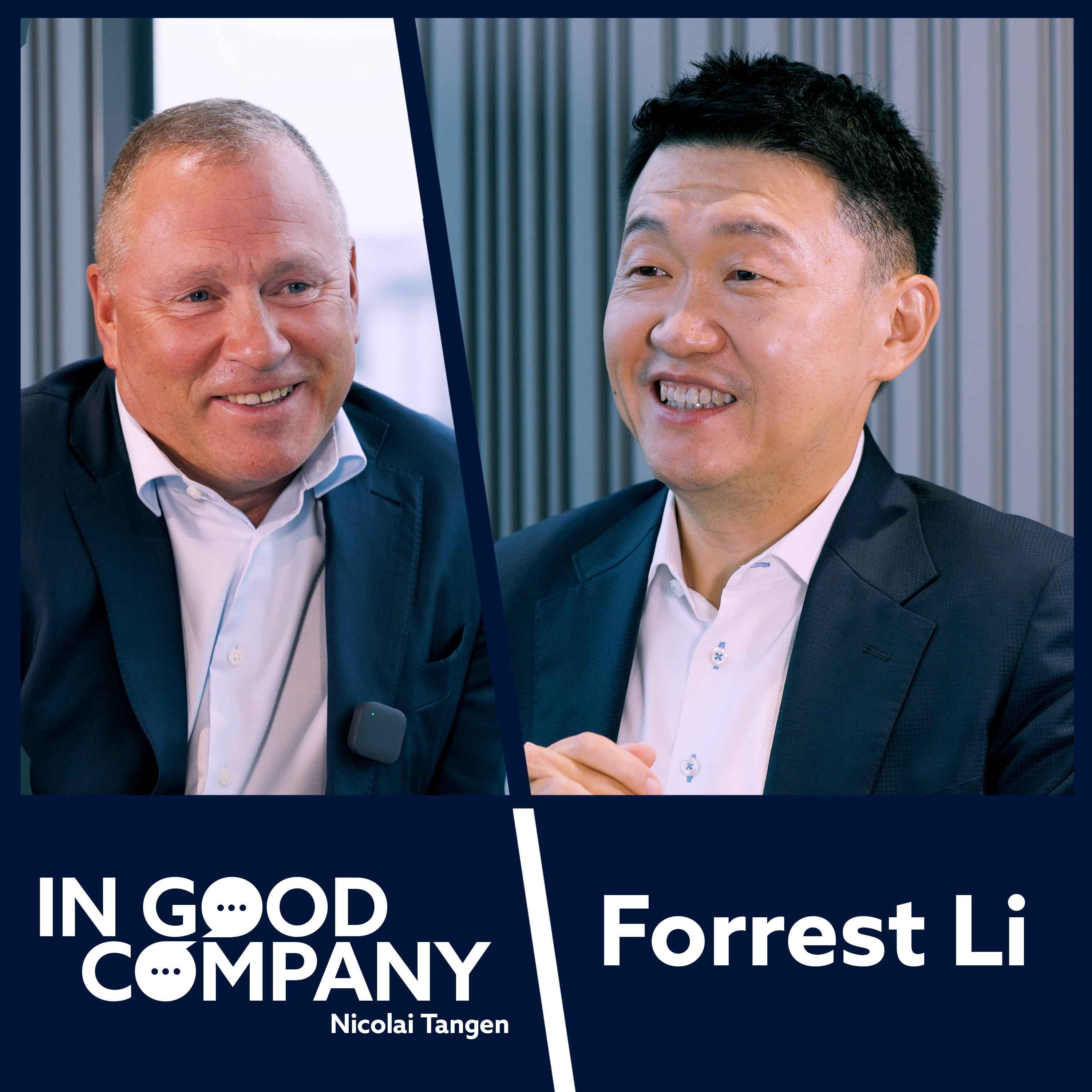
Forrest Li believes humility and ambition are complementary, not contradictory. By comparing Sea's success to the trillion-dollar valuations of Silicon Valley giants, he maintains humility. This perspective frames current achievements as just the beginning, fueling the company's ambition for far greater growth.
After eight years of grinding, the founder recognized he had taken the company as far as his skillset allowed. Instead of clinging to control, he proactively sought an external CEO with the business acumen he lacked, viewing the hire as a "life preserver" to rocket-ship the company's growth.

Josh Kushner believes insecurity is the greatest driver of innovation. He seeks out driven individuals, often first-generation or from overlooked backgrounds, who feel they have something to prove. This initial spark must eventually transition into a more sustainable, internal motivation.