Get your free personalized podcast brief
We scan new podcasts and send you the top 5 insights daily.
Citing Jordan Peterson, the speaker questions policies that cause immediate suffering to the world's poor (e.g., denying them air conditioning) in the name of preventing a potential, far-off catastrophe. This framing reveals a potential lack of genuine, present-day compassion.

Related Insights
The debate with economist Steve Keen reveals that the "climate catastrophe" narrative, when taken to its logical conclusion, can lead to calls for a world government run by engineers, abandoning elections, and enforcing global poverty. This exposes a potential anti-democratic impulse.
The debate between Steve Keen and Konstantin Kissen reveals the extreme endpoint of the climate catastrophe narrative: a belief that only a world government enforcing reduced energy use (and thus prosperity) can save us. This position rejects innovation and accepts global impoverishment as inevitable.
Karen Levy argues that making sustainability a prerequisite for funding can be a moral failure. It's like refusing to save a drowning child today because you don't have a plan to save all future drowning children. This mindset distracts from immediate, high-impact opportunities.

The automobile replaced the horse and carriage because it was a superior technology, not because of a world government mandate. This historical precedent argues that the solution to climate change is to innovate cheaper, more efficient clean energy that countries adopt voluntarily, not to force global poverty.
The conversation highlights how urgent, fast-moving political and social fires consume all available public attention and concern. This leaves no bandwidth for slower, more abstract existential risks like climate change, which fall down the priority list because society can't even focus on emergencies that are six months away, let alone decades.

Appealing to people's selflessness to drive large-scale change often fails. To make initiatives like climate action or food system reform successful, they must be framed around tangible, selfish benefits for the individual, such as their family's health or their child's safety.

Energy expert Alex Epstein argues the climate debate hinges on one's moral standard. The "crisis" view prioritizes minimal human impact on Earth. A "pro-human" view sees a "renaissance," citing a 98% decline in deaths from climate disasters, powered by fossil fuels.

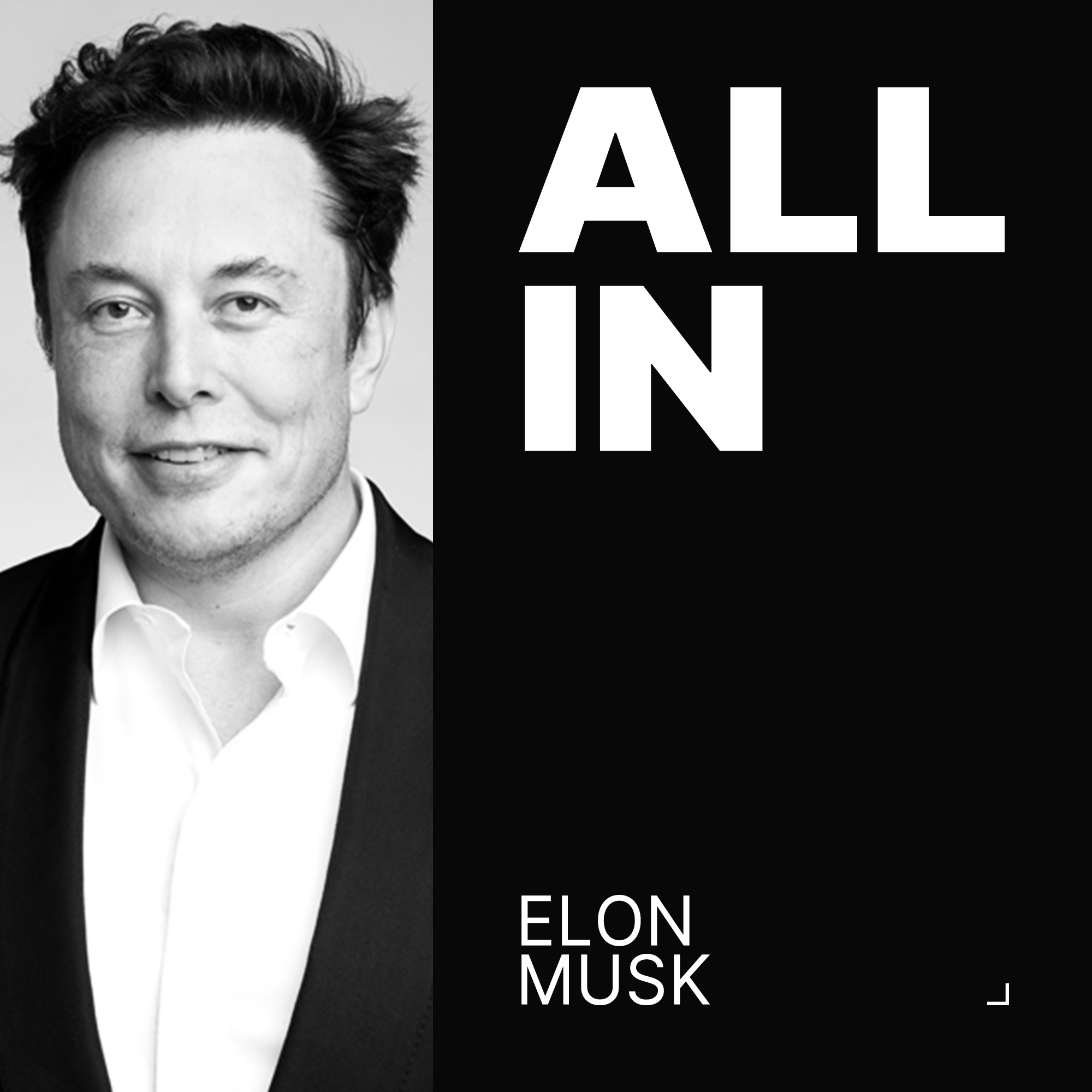
Rejecting both alarmism and denial, Musk estimates the serious consequences of climate change are on a 50-year timeline, not an immediate one. This perspective justifies a steady, deliberate transition toward sustainable energy rather than panicked, drastic measures.
Thought experiments like the 'River of Drowning Children' suggest strict altruism requires sacrificing your entire life. However, most plausible ethical theories reject this maximal demandingness. They acknowledge that your own well-being, family, and personal projects also hold moral weight and should not be entirely sacrificed.

During economic instability, focusing solely on personal financial survival (the "life raft") while the broader system fails is a moral failing. The ethical imperative is not just to save oneself but to collectively address and fix the systemic problems sinking the ship for everyone.