Get your free personalized podcast brief
We scan new podcasts and send you the top 5 insights daily.
Ali Ghodsi's career decisions consistently followed a pattern of selecting the option that would stretch his abilities, even if it meant taking a step back in title. This philosophy led him to accept the CEO role at Databricks over a more comfortable professorship.

Related Insights
A key leadership lesson is to avoid the trap of continuing what made you successful in a previous role. Adobe's CEO intentionally takes a step back each year to disrupt his own focus and identify the one or two areas where he, uniquely as CEO, can impact change at scale.

A bad executive hire costs over two years. Databricks CEO Ali Ghodsi mitigates this by starting searches 6-12 months before the role is critical. This extra time allows him to be extremely picky, intentionally passing on great candidates to avoid hiring the wrong one.
Aspiring leaders can build significant innovation capital by leading unglamorous but potentially high-impact projects. Microsoft's Satya Nadella championed the unpopular server business, which became the cloud, illustrating how betting on a contrarian vision can propel a career.
In an era of rapid technological shifts, durable value comes not from steady revenue growth but from a founder's capacity to reinvent the company repeatedly. Databricks' CEO Ali Ghodsi exemplifies this by successfully navigating multiple S-curves, which is the true driver of long-term success.
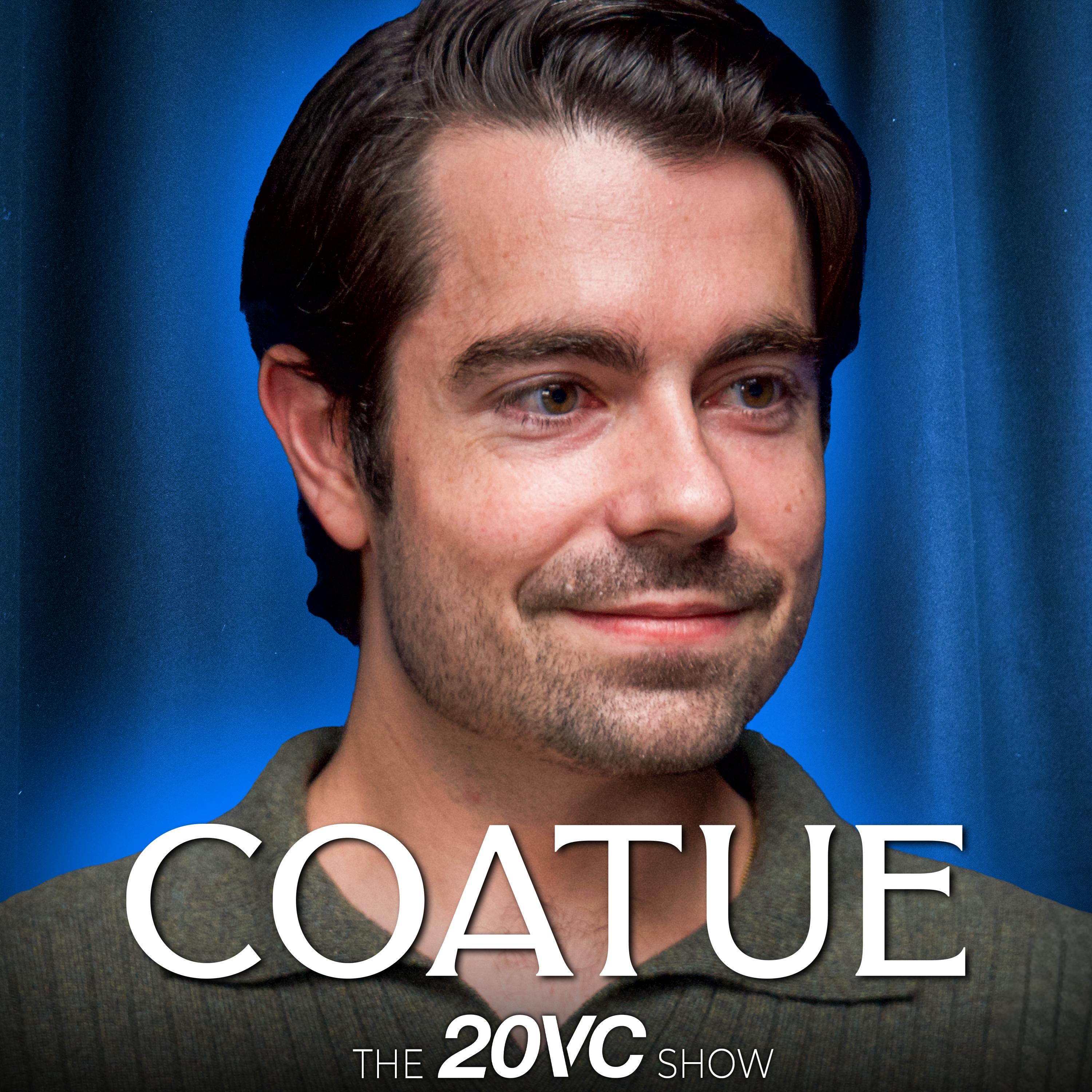
Career paths are not always linear climbs. Arista CEO Jayshree Ullal identifies as an "accidental executive" who was more passionate about product and technology than a C-suite title at Cisco. This mindset led her to leave a secure corporate path to found Arista, driven by a desire to be an entrepreneur and work with people she enjoyed.

Prioritizing a work environment with a strong, shared belief system over a higher salary is a powerful career accelerator. David Droga consistently took pay cuts to join teams with creative conviction, which ultimately placed him in positions to do his best work and grow faster.

Ben Horowitz's belief in founder-led companies led him to appoint co-founder Ali Ghodsi as CEO, treating it as a low-risk trial. This unconventional choice, prioritizing founder grit over a seasoned commercial leader, ultimately paid off massively for Databricks.
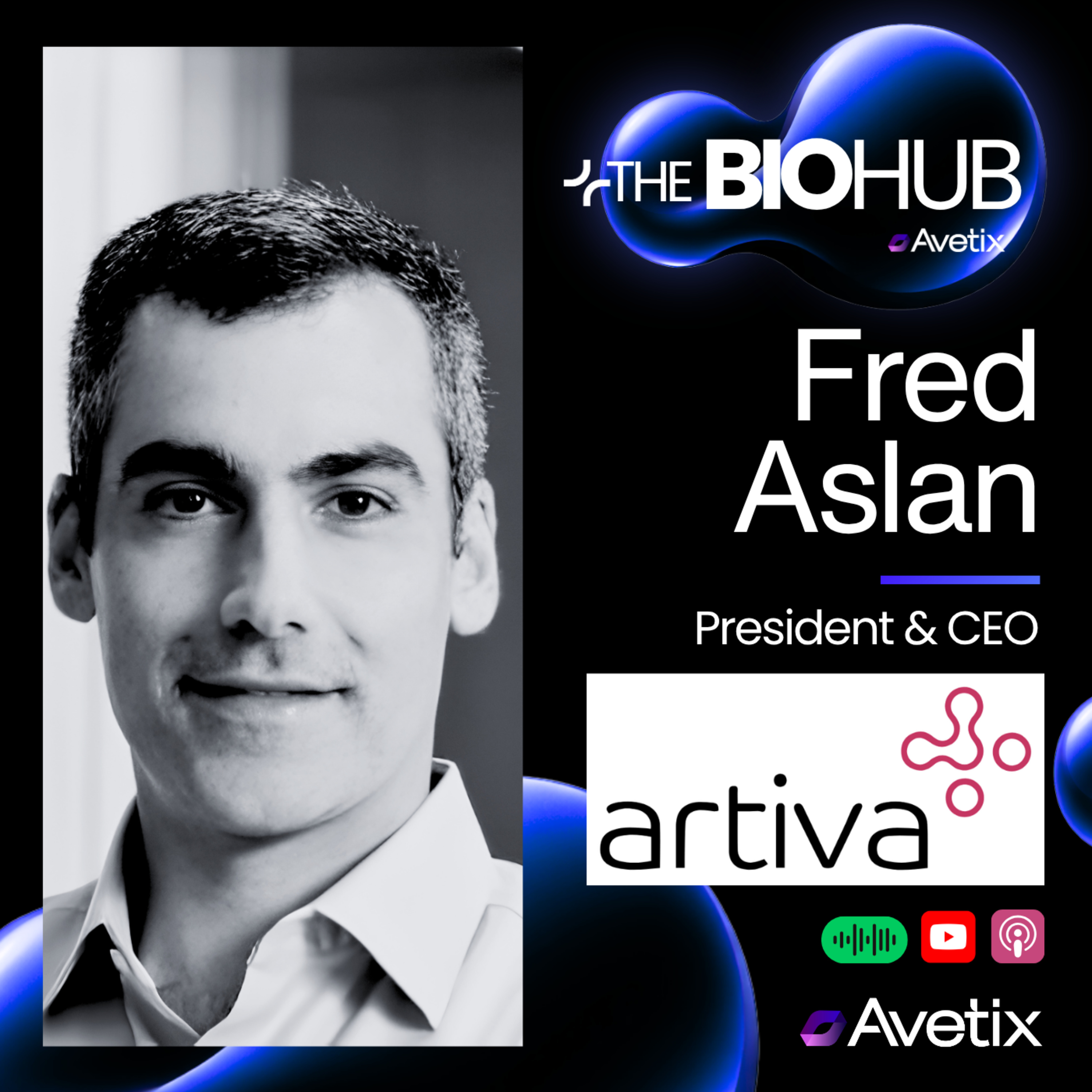
Artiva CEO Fred Aslan's path from medicine to VC to operator felt disjointed while he was living it, but in retrospect, each step provided crucial skills for the next. His advice is to optimize for passion and people, not a predetermined path, trusting that a "non-linear" journey is often the best way to build a unique and valuable skillset.
According to Delphi CEO Susan Tucci, biotech leadership is a unique challenge that requires deliberately choosing difficult but highly rewarding paths. This mindset is crucial for motivating teams through long, arduous development cycles, as the mission's profound impact justifies the struggle.

Ali Ghodsi argues that conflict aversion is a "terrible" trait for a CEO because it leads to ambiguity and a lack of focus. He believes CEOs must be crystal clear and tackle issues head-on, comparing overcoming this aversion to an athlete forcing themselves to train—a necessary discipline.