Get your free personalized podcast brief
We scan new podcasts and send you the top 5 insights daily.
Valve cleverly announced its new hardware by first highlighting the success of its existing Steam Deck. This 'credibility anchoring' strategy builds trust and overcomes consumer skepticism in the hardware market, where new product launches often fail to deliver on promises.
Related Insights
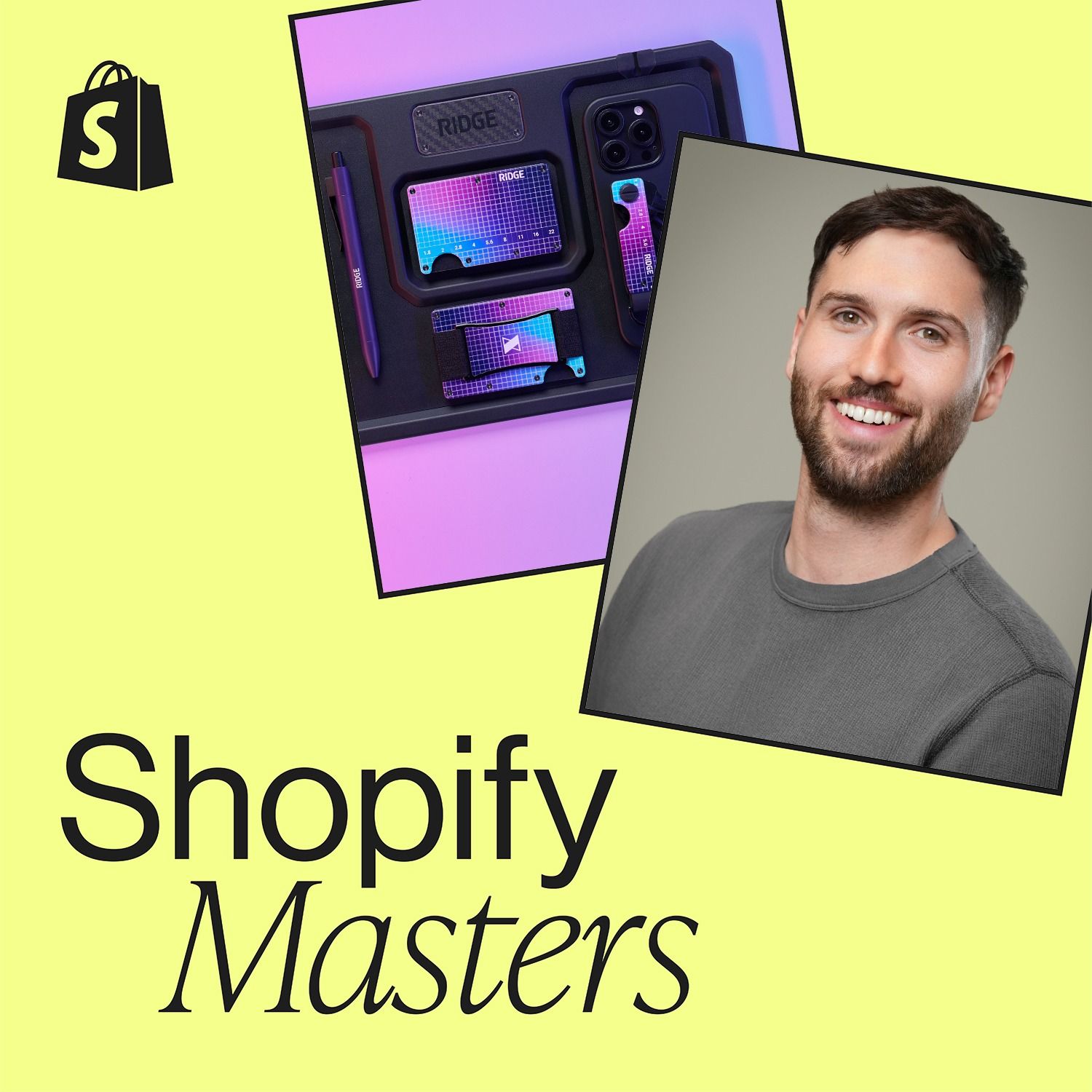
To expand beyond wallets into tech accessories, Ridge gave famous YouTuber Marques Brownlee a board seat. This wasn't just a marketing campaign; his official role acts as a powerful "stamp of approval," giving the brand instant credibility and consumer trust in new product lines.
Ring's success was accelerated by anchoring its new technology to a universally understood product: the doorbell. This gave the company "a hundred years of knowledge" and saved what the founder estimates to be billions in marketing and customer education, a key lesson for innovators.

A product launch isn't merely a release date; it's a strategic, coordinated campaign. Its primary goal is to change the market's perception, generate demand, and create momentum across the entire funnel, moving beyond a simple product announcement.

Don't wait for a prototype to get traction. Hardware founders should first engage potential customers and demonstrate a profound understanding of their specific problems. This expertise builds the necessary trust for customers to commit, even before a physical product is ready.

Instead of building a consumer brand from scratch, a technologically innovative but unknown company can license its core tech to an established player. This go-to-market strategy leverages the partner's brand equity and distribution to reach customers faster and validate the technology without massive marketing spend.
Rivian deliberately used its expensive R1 models as "flagship" products to establish a premium brand identity and a "handshake with the world." This prestige is now leveraged to launch the more affordable, mass-market R2, which inherits the established brand elements.

Use interactive 'self-selection' tools on your website that guide prospects to the best solution for them, even if it's not yours. By occasionally recommending a competitor or different product type, you establish your brand as the most trusted and honest resource in the space.

The mattress brand defied DTC convention by investing solely in upper-funnel media like out-of-home at launch. The strategy was to create a 'physical adjacency' to other premium brands and build trust for a high-consideration purchase. This approach sidestepped the volatile performance marketing cycle and established a premium brand perception from day one.
Position a premium, in-person event as the aspirational pinnacle of your brand. Even if most customers can't afford it, its existence builds immense credibility and social proof. This "legitimacy anchor" makes your more accessible digital products an easier sell.

Sony neutralized Sega's technologically superior Dreamcast by pre-emptively marketing the upcoming PlayStation 2. They used evocative but abstract concepts like the "Emotion Engine" to convince consumers to wait, demonstrating how a powerful marketing narrative can defeat a superior product already on the market.