Get your free personalized podcast brief
We scan new podcasts and send you the top 5 insights daily.
Instead of a slow trickle of marketing, Monaco operated in stealth and then launched with a massive, multi-channel campaign all at once. This avoids the 'boiling frog' effect where consumers gradually tune out, instead creating a powerful psychological moment where the brand suddenly appears to be everywhere.

Related Insights
Kalshi holds major marketing campaigns until the perfect cultural moment arrives. By launching a Timothée Chalamet ad right after a viral incident, or a Messi partnership before his first game, they hijack existing attention for maximum impact, even if it requires breaking planned schedules.

Instead of a single launch event, David Protein's CEO orchestrated a series of curated leaks over six months—from truck designs to paparazzi photos. This "breadcrumbing" strategy turns the audience into detectives, generating sustained organic buzz and earned media that a traditional one-day reveal cannot.

A product launch isn't merely a release date; it's a strategic, coordinated campaign. Its primary goal is to change the market's perception, generate demand, and create momentum across the entire funnel, moving beyond a simple product announcement.

One-off campaigns are a waste of money. Effective brand marketing works through accumulation, requiring a strategy of "consistent randomness." Your brand must appear in many different places in varied ways, but with consistent frequency, so a customer is hit 10 different times in 10 different ways.

Go-to-Market (GTM) and launches are not interchangeable. GTM is the broader commercial strategy covering pricing, packaging, and segmentation. A launch is a specific, event-based moment within that GTM plan designed to create urgency and capture buyer attention.
Lancer Skincare's plan for a coordinated rebrand event fell through. The CMO found the resulting gradual evolution was actually superior. This "modernization" felt more organic, allowing them to expand their demographic without the shock of a sudden overhaul.

Unlike digital tests, mass media relies on frequency and consistency for impact. Attempting to 'ease into it' with a small, intermittent budget will fail to produce desired results because it lacks the necessary repetition. To succeed, companies must commit fully and go 'hot and heavy' to build top-of-mind awareness.

Instead of treating the Super Bowl ad as the campaign's peak, Kellogg uses it as a high-impact "kickoff" for a year-long marketing push. The investment's momentum is immediately carried into subsequent major events like the Olympics to maximize ROI.

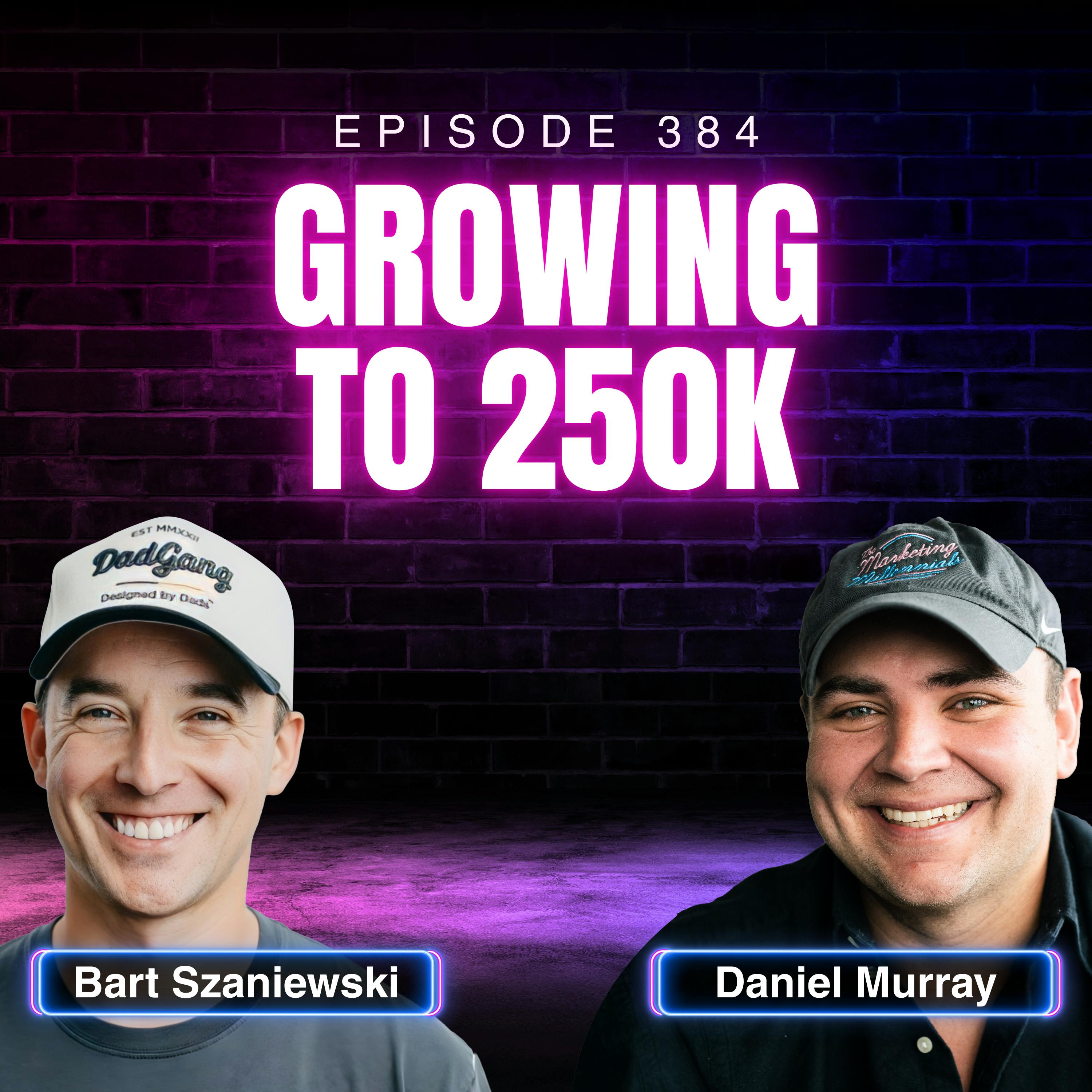
For new product drops, Dad Gang staggers announcements across channels throughout the day: first to private groups, then email, app notifications, and finally SMS, while posting organic content continuously. This maximizes reach and creates an omnipresent feeling without fatiguing any single channel's audience with repetitive messages.
The momentum for a massive launch is built between campaigns. Callan Faulkner's team spent $200k/month on ads for smaller, evergreen offers in the months leading up to her $19.5M launch. This sustained marketing effort gathered crucial data on messaging and primed the audience for the main event.
