Get your free personalized podcast brief
We scan new podcasts and send you the top 5 insights daily.
Skeletalis CEO Ben Swanson explains how his dual DDS/PhD path, particularly treating patients with bone diseases, provided a unique perspective on their needs beyond a new mechanism of action. This clinical empathy for the "end user's" lifestyle, safety concerns, and desire for durability became a core driver for his company's R&D strategy.

Related Insights
Founder Taylor Algren's experience as a heart failure patient directly inspired his AI startup, EasyMedicine. This deep personal understanding allows him to build a more human-centric solution for chronic disease patients by authentically anticipating their struggles with the healthcare system.

The company's genesis was unconventional. It was founded by Bob Yant, a patient with a spinal cord injury, who proactively sought out leading researchers to translate promising science into therapies. This patient-driven model highlights an alternative pathway for biotech creation, where the 'problem' finds its 'solution' in academia.
The transition from academia to entrepreneurship is most successful when the focus shifts from pure science or technology to solving a tangible, pre-existing clinical problem. This ensures market interest, clinical adoption, and ultimately, patient impact from the outset.
Lancer Skincare's founder, a practicing dermatologist, provides a unique feedback channel. Daily patient interactions offer direct insights into product performance and identify market gaps for new products, a method more authentic and effective than traditional focus groups.

The decision to found Skeletalis wasn't driven by a single lab breakthrough. Instead, it was the convergence of two distinct observations: clinically seeing patients' fear of existing drug side effects, and academically noticing a major gap at conferences between advanced animal model research and its translation into new human therapies.
A former medic explains that hands-on patient care provides an irreplaceable perspective for executives. It grounds strategic decisions in the reality of the patient experience, which is crucial for communicating value to teams and investors and maintaining a patient-first culture.

In the rare disease space, success hinges on deep patient community engagement. Smaller, nimbler biotechs often excel at creating these essential personal ties, giving them a significant advantage over larger pharmaceutical companies.
A crucial piece of advice for biotech founders is to interact with patients as early as possible. This 'patient first' approach helps uncover unmet needs in their treatment journey, providing a more powerful and differentiated perspective than focusing solely on the scientific or commercial landscape.
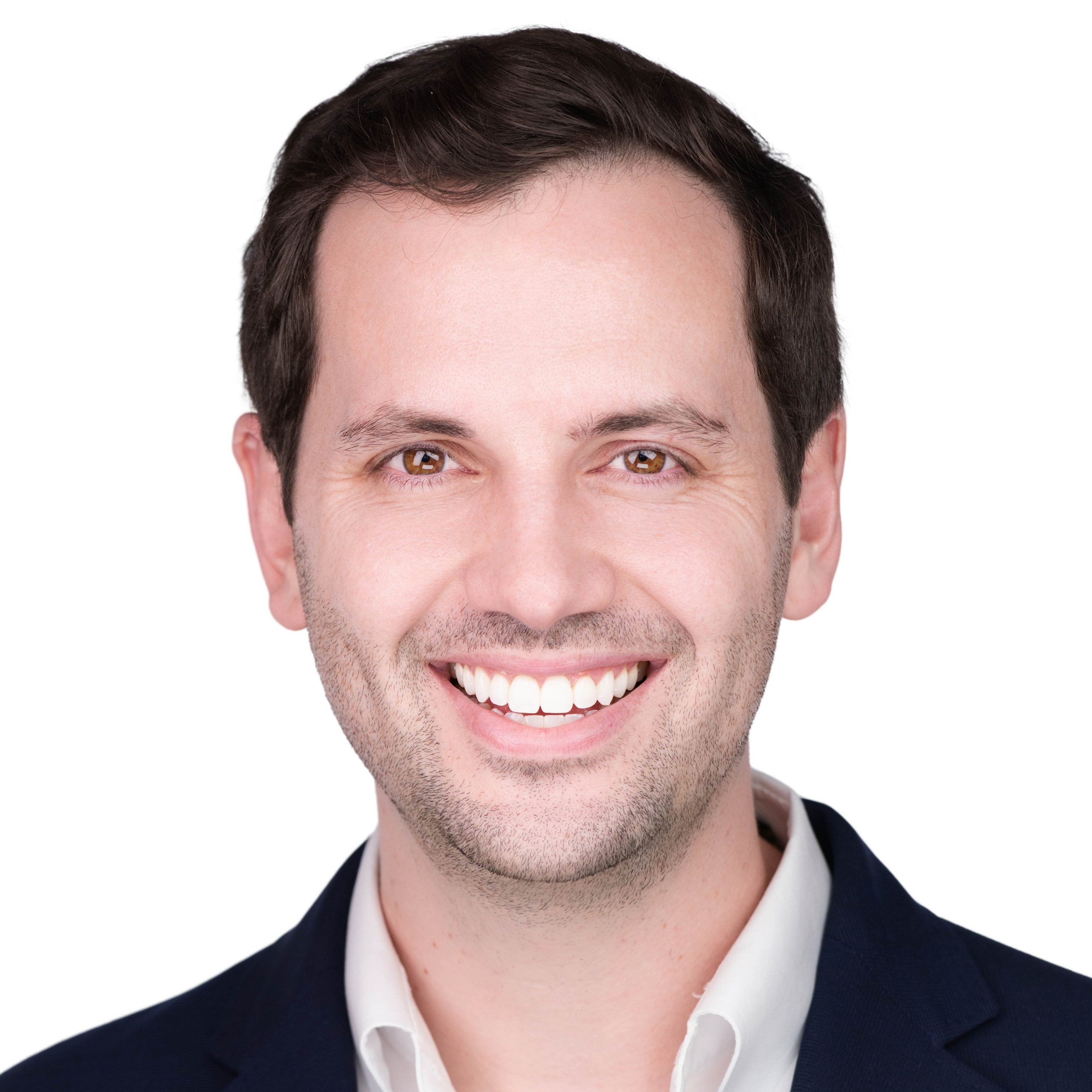
Founder Derek Small's career was imprinted by two key moments: an oncology patient stabilizing for five years on a first dose, and depression patients calling to say his drug "literally changed my life." These direct impacts provided a powerful, mission-driven focus.
Skeletalis's platform targets osteoporosis with precision using "site-specific pharmacology." A small molecule anchors an inactive prodrug to the bone, where it is activated only by the cells causing bone loss. This localized approach dramatically improves the safety profile and therapeutic index, enabling the use of novel biological targets that would be too risky for systemic delivery.