Get your free personalized podcast brief
We scan new podcasts and send you the top 5 insights daily.
Claude Code's breakthrough wasn't just better coding; it was integrating the entire agentic loop—context, actions, and evaluations—and giving it computer control (file system, bash). This collapsed the value proposition of startups that only specialized in one piece, like context engineering (e.g., Harvey AI).

Related Insights
Agentic coding tools like Claude Code represent a new, distinct modality of AI interaction, as significant as the advent of image generation or chatbots. This shift is creating a new category of power users who integrate AI into their daily workflows not just for queries, but for proactive, complex task execution.
The success of Anthropic's coding agent, Claude Code, was a "mile marker" moment, causing major labs like OpenAI to abruptly cut "side quests" and refocus on the lucrative enterprise market with powerful, agentic AI.

AI platforms using the same base model (e.g., Claude) can produce vastly different results. The key differentiator is the proprietary 'agent' layer built on top, which gives the model specific tools to interact with code (read, write, edit files). A superior agent leads to superior performance.

The real intellectual property and performance driver for advanced AI systems like Claude Code isn't the underlying model, but the surrounding orchestration layer. This "agent harness" manages memory, tools, and context, and has become the key competitive differentiator.
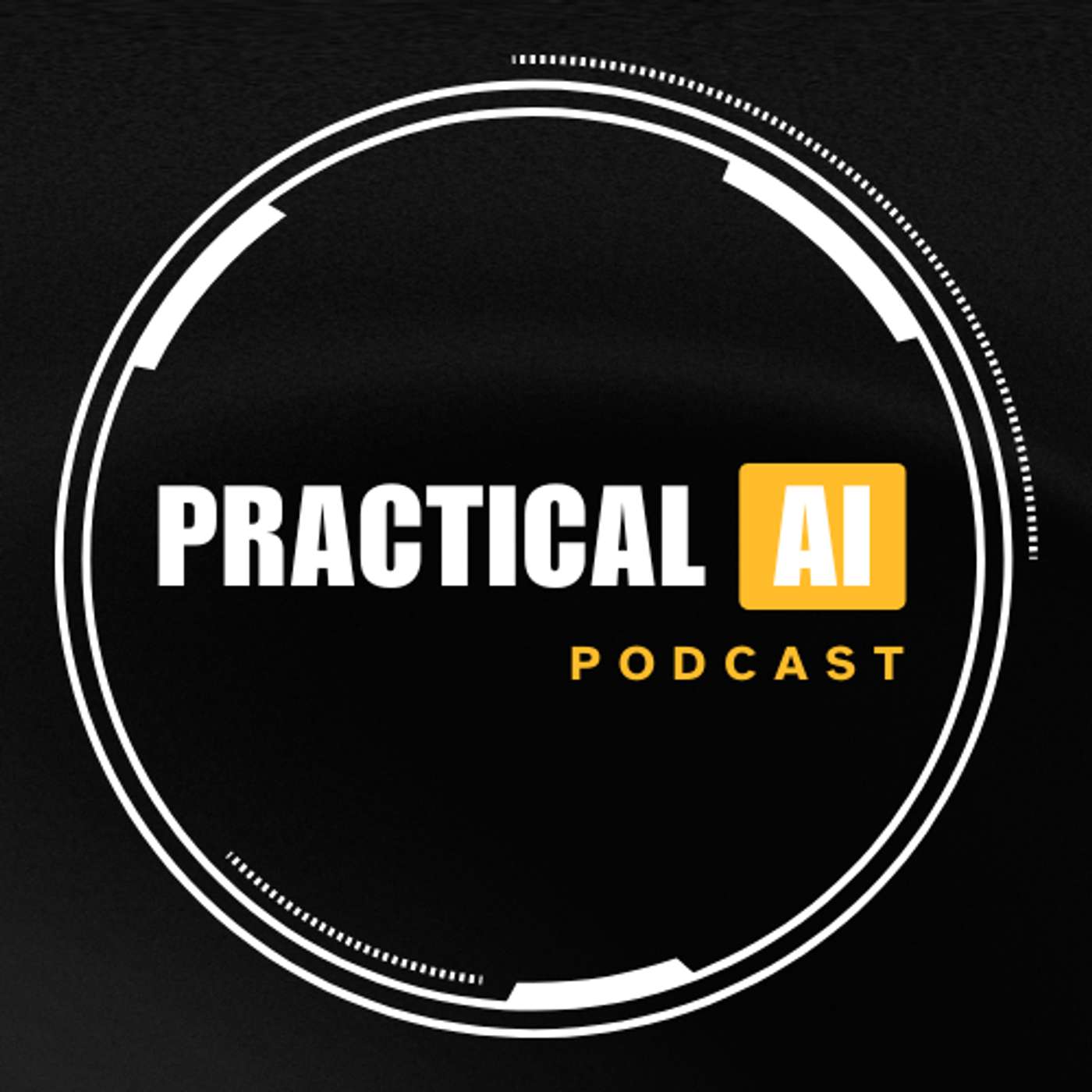
Analyst Doug O'Laughlin views agentic coding tools not just as a feature but as a fundamental new scaling paradigm for AI, comparable in impact to the invention of "Chain of Thought," that will permanently alter all information work and accelerate AI capabilities.

Claude Code can take a high-level goal, ask clarifying questions, and then independently work for over an hour to generate code and deploy a working website. This signals a shift from AI as a simple tool to AI as an autonomous agent capable of complex, multi-step projects.

Platforms for running AI agents are called 'agent harnesses.' Their primary function is to provide the infrastructure for the agent's 'observe, think, act' loop, connecting the LLM 'brain' to external tools and context files, similar to how a car's chassis supports its engine.
Recent updates from Anthropic's Claude mark a fundamental shift. AI is no longer a simple tool for single tasks but has become a system of autonomous "agents" that you orchestrate and manage to achieve complex outcomes, much like a human team.

The key innovation behind Claude Code wasn't a more advanced language model, but rather granting it simple permissions: the ability to read/write local files and execute basic Unix commands. This allowed it to overcome the stateless nature of LLMs and chain complex operations together, unlocking emergent capabilities.

The recent leap in AI coding isn't solely from a more powerful base model. The true innovation is a product layer that enables agent-like behavior: the system constantly evaluates and refines its own output, leading to far more complex and complete results than the LLM could achieve alone.
