Get your free personalized podcast brief
We scan new podcasts and send you the top 5 insights daily.
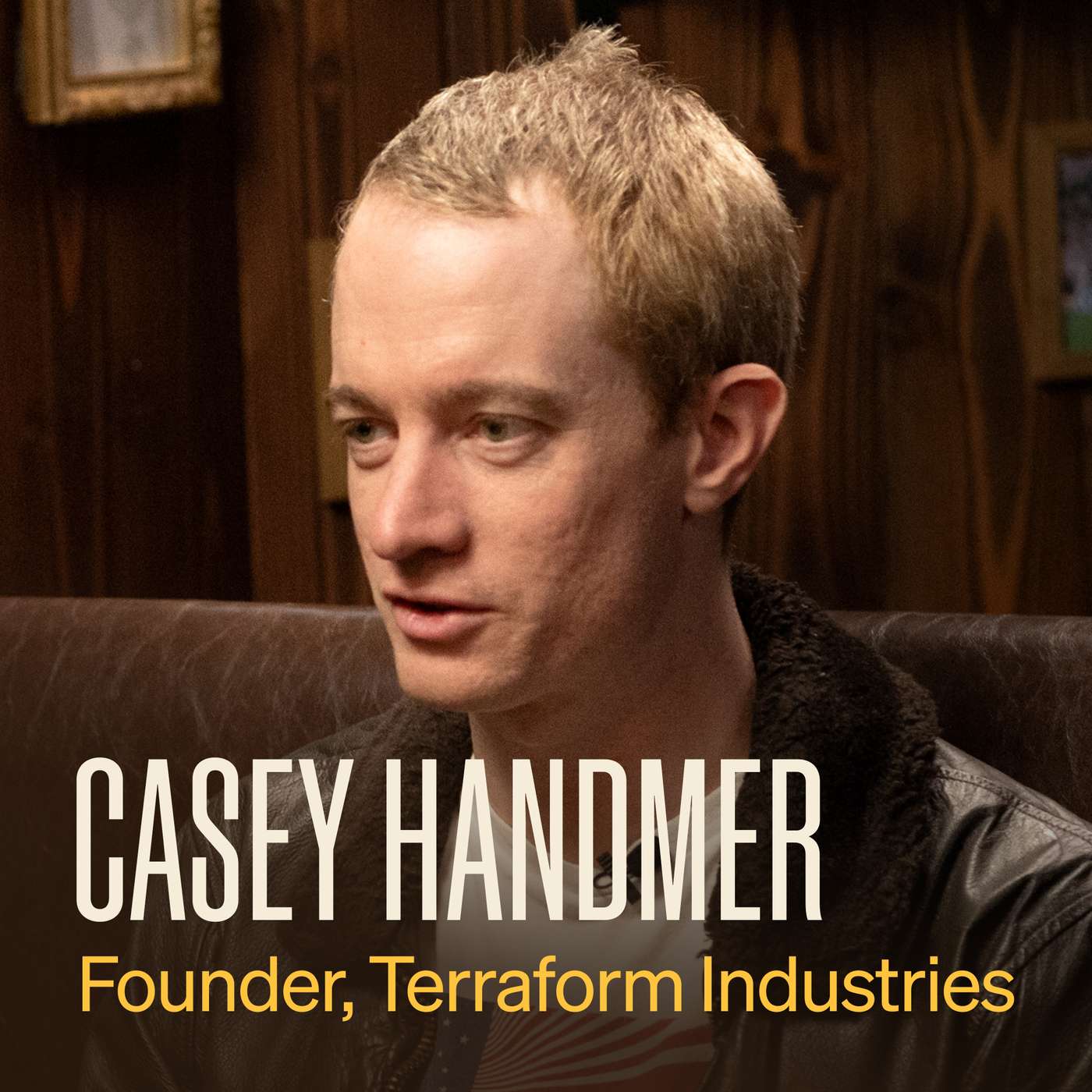
The founder believes the key to replacing fossil fuels is acknowledging their incredible convenience and cost-effectiveness. The winning renewable solution must be fundamentally better on those metrics, not just an alternative that relies on incentives.

Related Insights
The common approach to reduce flying's climate impact—taxing fuel—disproportionately harms lower-income individuals. A more progressive and technologically optimistic solution is to invent cheaper, carbon-neutral jet fuel, expanding access to the 'privilege' of flight for everyone, not just the wealthy.
While solar panels are inexpensive, the total system cost to achieve 100% reliable, 24/7 coverage is massive. These "hidden costs"—enormous battery storage, transmission build-outs, and grid complexity—make the final price of a full solution comparable to nuclear. This is why hyperscalers are actively pursuing nuclear for their data centers.

Base's core thesis is that the shift to solar and battery storage is inevitable not because of ESG trends, but because it represents the lowest marginal cost to add power to the grid. This economic argument is more fundamental and compelling than climate narratives alone.

Poorer countries, unburdened by legacy fossil fuel infrastructure, have a unique advantage. They can bypass the dirty development path of wealthy nations and build their energy systems directly on cheaper, more efficient renewable technologies, potentially achieving energy security and economic growth faster.

The mass adoption of electrification technologies like Calcetra's thermal battery is enabled by pure economics. Solar and wind are now the cheapest forms of power generation. This market reality creates a powerful, capitalism-driven tailwind for new technologies, independent of climate change belief or government policy.

Targeting an extremely low electricity cost of 1¢ per kilowatt-hour acts as a forcing function for Exowatt. This 'North Star' metric dictates a strategy of radical simplification, domestic manufacturing, and reliance on common raw materials like sand, dirt, and steel.

The cost of electricity has two components: making it and moving it. Generation ("making") costs are plummeting due to cheap solar. However, transmission ("moving") costs are rising from aging infrastructure. This indicates the biggest area for innovation is in distribution, not generation.

The economic model for renewable energy is the inverse of fossil fuels. While building wind or solar farms requires significant initial capital investment, their ongoing operational costs are minimal. This suggests that as Europe advances its green transition, its long-term energy cost competitiveness will dramatically improve.

The price of premium, reliable green power is not a financial barrier for major tech companies. Analysis shows that hyperscalers paying entirely for more expensive green solutions would only reduce their 2030 EBITDA by ~2.5%. This makes political pressure and speed-to-market, not cost, the primary drivers for their energy sourcing decisions.

The political challenge of climate action has fundamentally changed. Renewables like solar and wind are no longer expensive sacrifices but the cheapest energy sources available. This aligns short-term economic incentives with long-term environmental goals, making the transition politically and financially viable.