Get your free personalized podcast brief
We scan new podcasts and send you the top 5 insights daily.
By isolating long-term inmates from modern technology like smartphones and recent political upheaval, prisons inadvertently preserve a mindset from a less socially fragmented America, offering a unique lens on the nation's rapid changes.

Related Insights
In the extreme isolation of solitary confinement, Shaka Senghor used journaling to question how he ended up in prison. This introspective process allowed him to challenge negative self-prophecies and reconnect with his authentic self, even in the harshest environment imaginable.

The narrator finds incarcerated men, many of whom have never used a smartphone, to be the most optimistic Americans he's met. Their isolation from a decade of political and technological upheaval suggests their worldview is a less polarized one, preserved from a time before faith in the country eroded.

Stripped of everything, incarcerated individuals in the podcast display a profound belief in self-improvement and second chances, reflecting a core American ideal that many on the outside seem to have lost.
The political divide is no longer just about policy; it's a fundamental separation of information ecosystems. Red and Blue America use different social media, consume different news, and don't interact, creating worldviews as different as North and South Korea. This digital separation precedes any physical one.

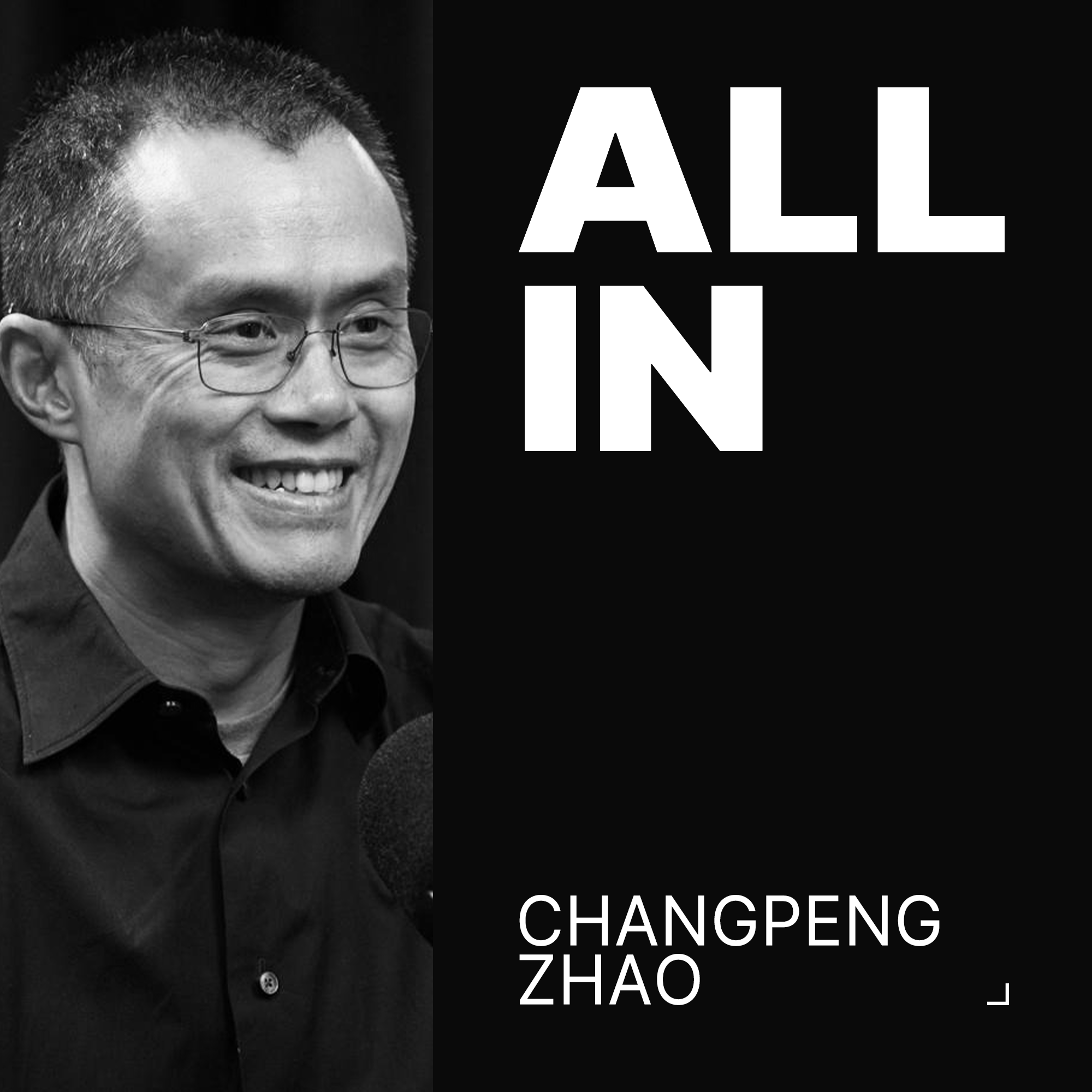
CZ’s first-hand account reveals that the US prison system segregates inmates by ethnicity (e.g., Chinese, white, black, Hispanic) into groups or "cars". This practice is encouraged by guards as a method to reduce friction and manage conflict through group representatives.
The belief that society is uniquely polarized today is a historical fallacy. From political duels and violent labor strikes to the culture wars of the 1970s, American history is filled with intense, often physically violent, conflict. We tend to view the past with "rose-colored glasses," underestimating its strife.

The podcast highlights a surprising contrast: inmates participating in reform programs demonstrate a higher degree of personal responsibility for their actions compared to what is often perceived in corporate or financial sectors.
Extreme political ideologies, despite appearing opposite, can lead to functionally identical conclusions. The debate over Alcatraz's future illustrates this, where the far-right's desire for a prison functionally mirrors the far-left's proposal for low-income housing, revealing a 'circularity' to political logic.

Shaka Senghor reframes the experience of incarceration not as a defining event, but as a revealing one. It strips away everything superficial and exposes a person's core essence, particularly their innate resilience and will to overcome adversity.
The podcast challenges stereotypes by revealing that incarcerated individuals in Sing Sing's reform programs demonstrate a profound sense of responsibility for their past choices. This level of self-reflection is contrasted with what one might find in corporate environments.