Get your free personalized podcast brief
We scan new podcasts and send you the top 5 insights daily.
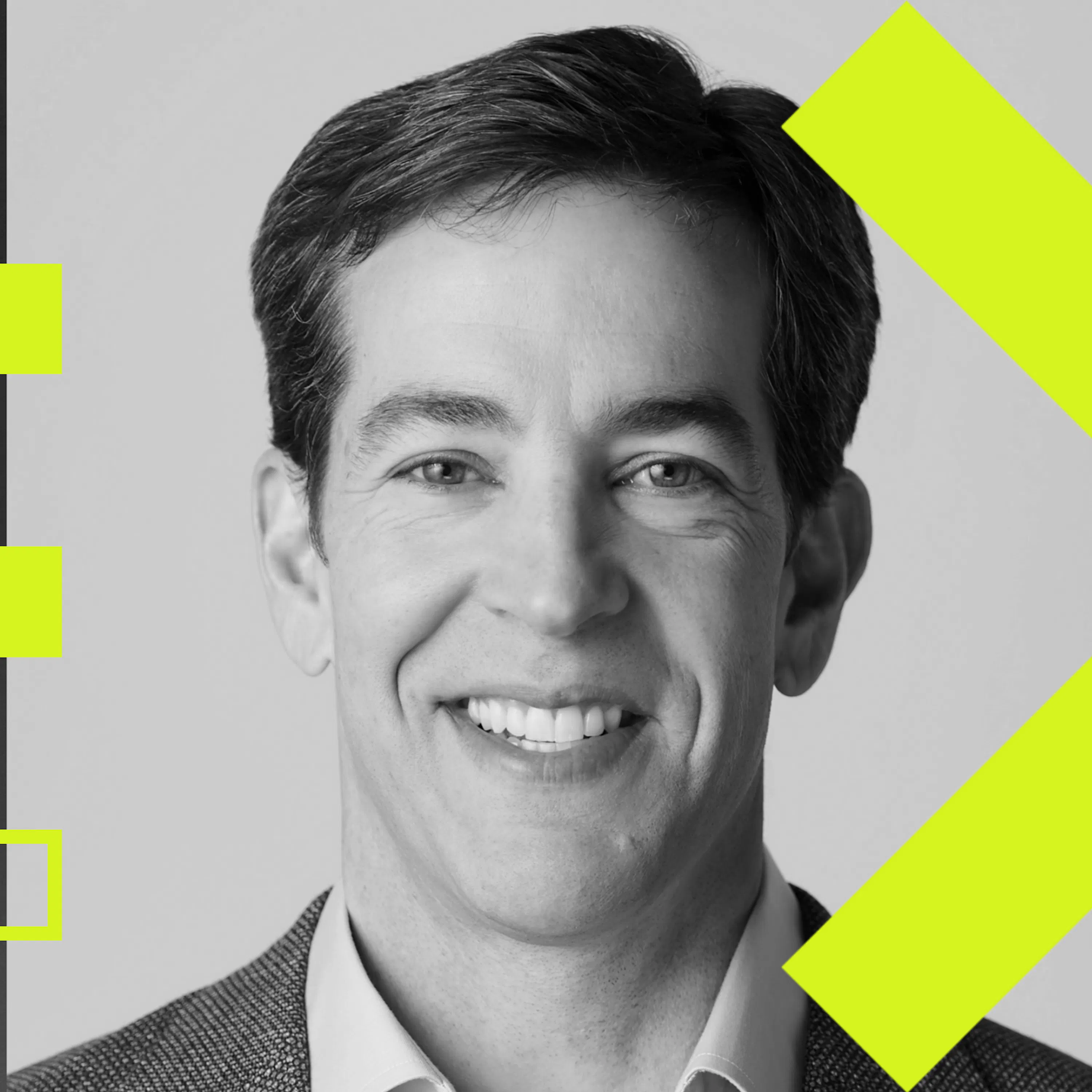
Instead of focusing solely on defending its core business, Okta sees the primary AI opportunity in a new market for managing AI agent identities. CEO Todd McKinnon believes this "agent layer" could become the single largest category in cybersecurity, a market currently worth over $280 billion.
Related Insights
According to Okta's CEO, the most valuable application for AI agents in the enterprise will be orchestrating complex processes that span multiple software silos (e.g., Salesforce, SAP, Content Management). This is a task that has historically been difficult to automate with packaged software and required human intervention, representing a massive new opportunity.

Okta's major strategic pivot to focus on AI agent identity wasn't born in a boardroom. CEO Todd McKinnon began casually mentioning the idea at the end of customer meetings. The immediate, intense interest from customers, compared to his main pitch, convinced him to completely reorient the company's direction.
Companies will need a new IT role, the "Master of Bots" or "Chief Agent Officer," to manage, deploy, and secure AI agents. This role is a modern-day sysadmin responsible for the internal bot ecosystem and for helping non-technical employees leverage them.

Managing human identities is already complex, but the rise of AI agents communicating with systems will multiply this challenge exponentially. Organizations must prepare for managing thousands of "machine identities" with granular permissions, making robust identity management a critical prerequisite for the AI era.

Todd McKinnon conceptualizes AI agents not as simple tools but as a fundamentally new identity category. This identity possesses attributes of both a human user (roles, permissions) and a system (automation, being headless). This reframing is central to building the next generation of enterprise security and access management.
Todd McKinnon believes that while major platforms like Microsoft will try to create walled gardens for their AI agents, customer demand for interoperability will ultimately win. If market forces fail, he predicts government antitrust intervention, drawing a parallel to the historic unbundling of IBM's hardware and software businesses.
The traditional software model centered on siloed applications (HR, sales, etc.). Todd McKinnon suggests the real value is now in "digital workers" or agents that can operate across these silos. This makes it difficult for legacy app vendors, who are organized by function, to build truly effective, broad agents.
Security's focus shifted from physical (bodyguards) to digital (cybersecurity) with the internet. As AI agents become primary economic actors, security must undergo a similar fundamental reinvention. The core business value may be the same (like Blockbuster vs. Netflix), but the security architecture must be rebuilt from first principles.

As autonomous agents become prevalent, they'll need a sandboxed environment to access, store, and collaborate on enterprise data. This core infrastructure must manage permissions, security, and governance, creating a new market opportunity for platforms that can serve as this trusted container.
The CEO of WorkOS describes AI agents as 'crazy hyperactive interns' that can access all systems and wreak havoc at machine speed. This makes agent-specific security—focusing on authentication, permissions, and safeguards against prompt injection—a massive and urgent challenge for the industry.
