Get your free personalized podcast brief
We scan new podcasts and send you the top 5 insights daily.
Proposals to ban American developers from using Chinese open-source models would backfire badly. It would cut the US off from global innovation, as the rest of the world would continue to build upon these models. The correct approach to stop Chinese distillation is for US AI labs to block access at the source.

Related Insights
Accusations that Chinese labs cheat by copying US models are misleading. The practice, known as distillation, is common across the industry (including by Elon Musk's xAI) and academia. Now, with Chinese labs dominating open source, American startups are increasingly building on top of Chinese models.

Instead of an outright ban, a proposed strategy is for US agencies to issue 'soft law' and advisories that create Fear, Uncertainty, and Doubt (FUD) around Chinese models. This regulatory risk would discourage regulated enterprises from using them, effectively creating a 'soft ban' without explicit legislation.

Washington's pressure on firms like Anthropic to block foreign access to advanced AI models is creating a vacuum that China's competitive, open-source models are filling. This policy, intended to protect US interests, may ironically undermine them by pushing the global developer community towards a rival ecosystem.
By limiting access to top-tier proprietary models, U.S. policy may have ironically forced China to develop more efficient, open-source alternatives. This strategy is more effective for global adoption, as other countries can freely adapt these models without API limits or vendor lock-in.

The rise of capable, low-cost Chinese AI models like Kimi forces a US debate. Policymakers and incumbents like OpenAI hint at security risks and advocate for bans. Meanwhile, free-market proponents argue that restricting access would stifle innovation and inflate costs for US companies, creating a core tension between national security and economic competitiveness.

Unlike the US's increasingly closed-off AI models, China's powerful open-source alternatives (like Zhipu's GLM 5.2) are seeing massive global adoption. This strategy risks creating a world where Chinese AI is the global standard and US models are confined to the US and a few allies, effectively creating an "AI Iron Curtain."
Attempts to ban or sanction open-source AI will inevitably fail because software is easily distributed. As models become capable of running on-device, hardware-based leverage points like data centers will become irrelevant, making any ban unenforceable.
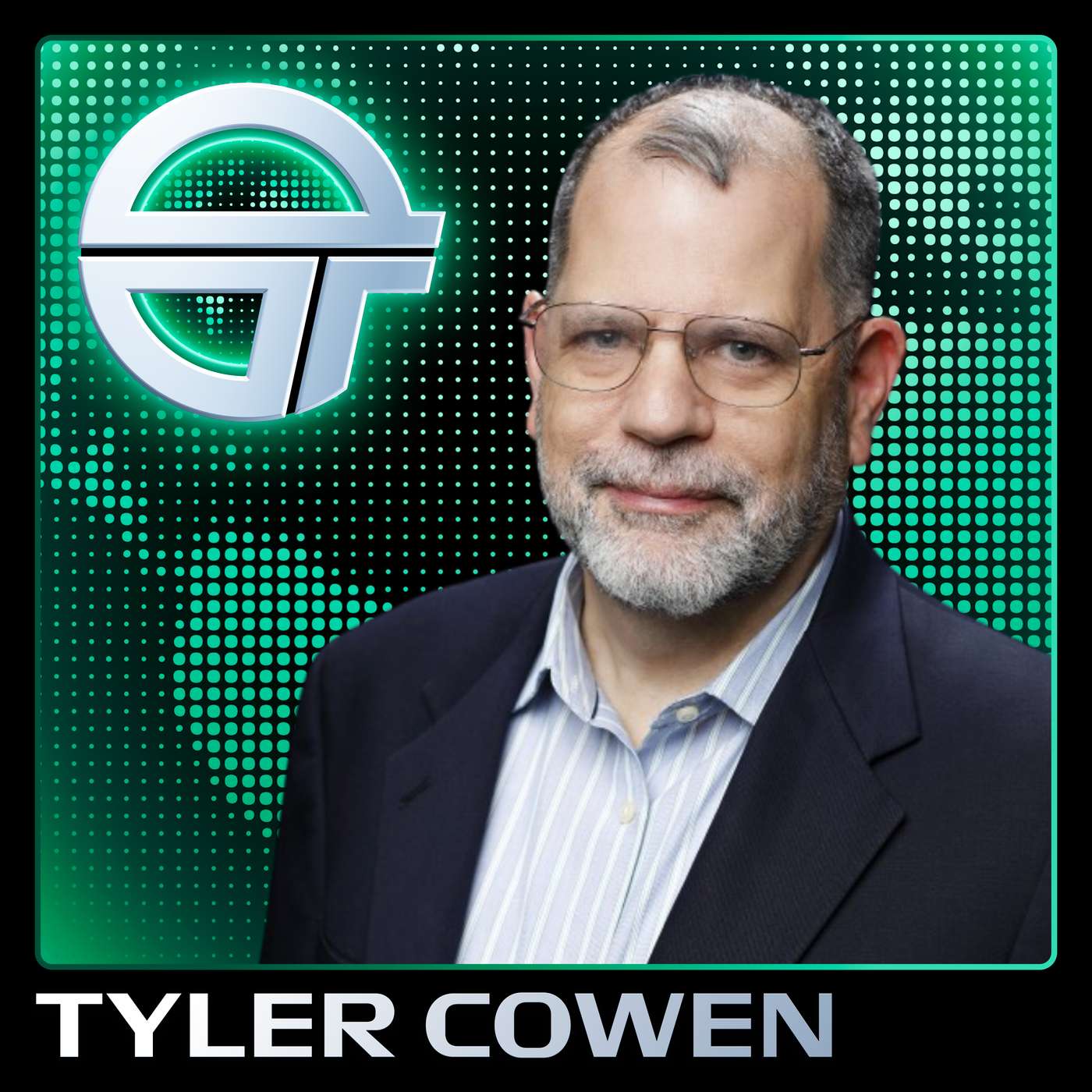
Rather than an outright ban on Chinese AI models, the US administration is expected to use procurement rules, entity list threats, and public pressure campaigns to discourage American companies from using them. This "soft ban" approach focuses on highlighting security risks and promoting a domestic open-source ecosystem.

By heavily restricting its models for sensitive research like genomics, Anthropic is forcing US companies to adopt more capable, unrestricted open-source AI models from China. This self-sabotaging policy directly undermines American competitiveness in critical scientific fields.

The United States lacks a coherent national strategy for open-source AI, while China is rapidly producing high-quality models. This has created a situation where American companies are increasingly turning to Chinese-developed models to make their AI pipelines more efficient and competitive.
