Get your free personalized podcast brief
We scan new podcasts and send you the top 5 insights daily.
MedinCell's location in Montpellier, France, was a strategic choice, not an accident. The city is a major research hub with a deep history in medicine and pharmacy, home to the "Pope of PLA polymers." This ecosystem provided the foundational science and talent for the company's success.
Related Insights
To get a 'view into the innovation,' Servier began sponsoring programs at Cambridge's Lab Central in 2017, long before establishing its own R&D site in the US. This demonstrates a long-term corporate strategy of embedding in key ecosystems early to build relationships and monitor emerging science.
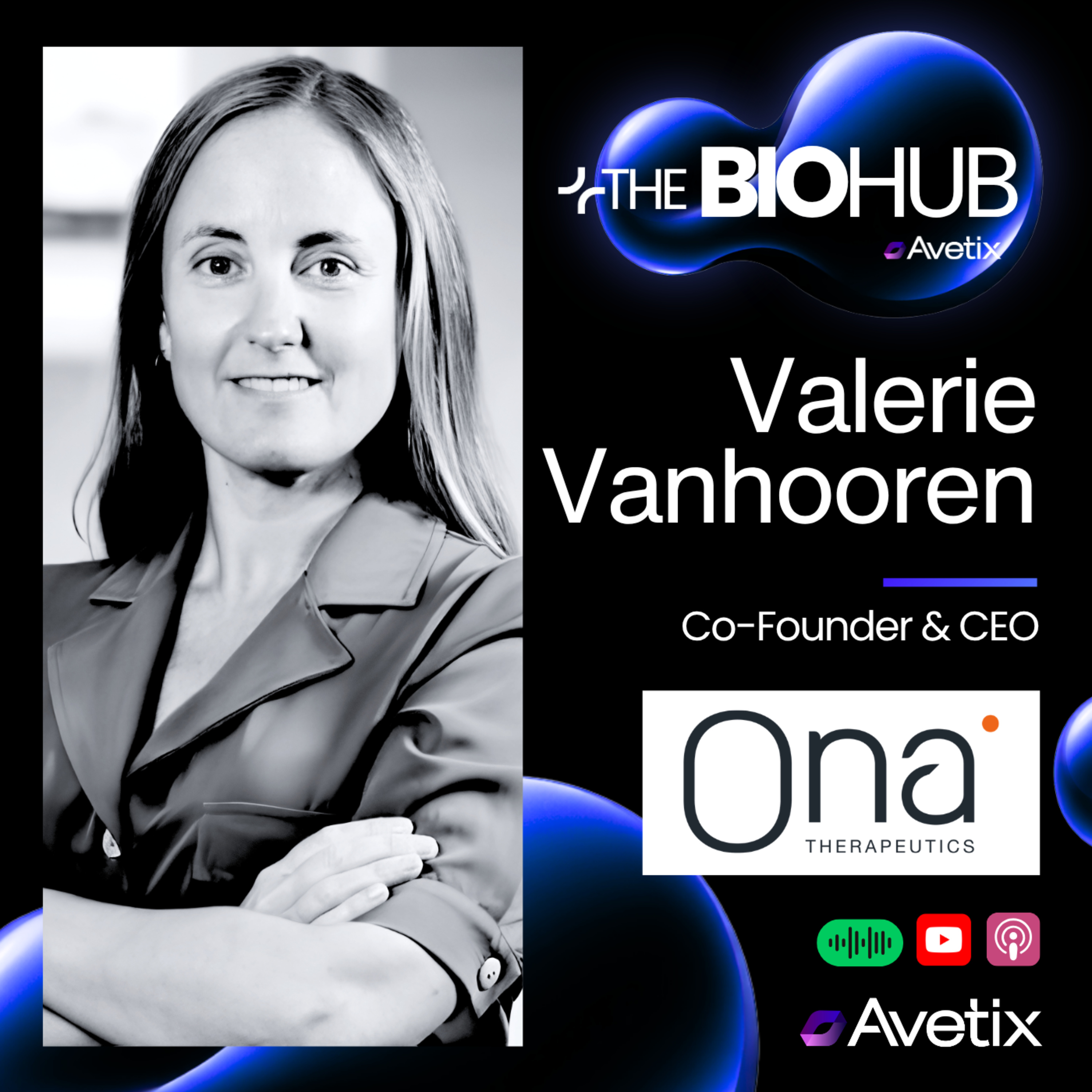
While the US leads in capital access, Ona Therapeutics' CEO highlights a key European advantage: the ability to hire top-tier scientific talent at a significantly lower cost. A scientist in Barcelona, for instance, costs much less than one in Boston but can be equally skilled and satisfied with their compensation.
Recent billion-dollar successes in the French biotech ecosystem, such as Abivax and Medincel, are largely credited to their management teams. These leaders often have significant experience working in the US and other countries. This global perspective enables them to develop assets for a worldwide market, navigate different regulatory environments, and attract international funding, breaking the mold of previously localized French biotechs.

The Institute of Organic Chemistry and Biochemistry (IOCB) in Prague demonstrates how academic centers can build entire ecosystems. By using royalty income from major drug discoveries, it funded a dedicated technology transfer company (IOCB Tech) and even a US branch, creating a self-sustaining innovation engine.

Founded in Minnesota, Cellcuity taps the University of Minnesota and the region's medical device industry for scientific talent. For specialized roles like clinical development, it embraces a distributed team, demonstrating a viable model for building a biopharma company outside of traditional hubs.

Thriving life sciences ecosystems in Ireland, the UK, and Massachusetts did not grow by accident. Their success is the result of deliberate, long-term government strategies, including tax incentives, shared R&D infrastructure like the UK's 'Catapult' network, and fostering deep connections between technology, hospitals, and capital.

Barcelona is an emerging biotech hub due to a specific formula: 1) excellent basic research institutions, 2) top-tier hospitals for clinical trials, 3) an active local early-stage VC community, and 4) a regional culture of entrepreneurship. This combination creates a fertile ground for new ventures to form and thrive.

France has world-class scientific talent and basic research, often originating groundbreaking IP like that behind Bluebird Bio. However, the ecosystem struggles to translate these innovations into large commercial entities due to structural issues like corporate governance and less favorable employee equity incentives, causing many innovations to be commercialized abroad.
MedinCell, listed only on Euronext in France, successfully attracted significant US investment by dedicating three years to systematic outreach. This rare achievement involved direct engagement, leading to US funds buying shares directly on the European exchange and attracting US bank analyst coverage.
Basel, with fewer than 200,000 residents, thrives as a global biotech hub by drawing talent from neighboring France and Germany. Its key advantage is serving as a nexus for navigating Europe's complex, country-specific regulatory landscapes, making it an attractive base for life science companies.