Get your free personalized podcast brief
We scan new podcasts and send you the top 5 insights daily.
While Starlink excels at low-cost satellite deployment, the $300 production cost of each user terminal is a major weakness. The company heavily subsidizes these terminals for customers, a model that makes it economically unviable to enter low-ARPU markets like India and caps its global growth potential.

Related Insights
Starlink is no longer just for remote areas. It's adopting mass-market tactics like physical stores, Super Bowl ads, and cheaper plans to compete directly with giants like Comcast and AT&T in ex-urban areas, aiming to fuel growth ahead of its IPO and Amazon's market entry.
The Starlink satellite business is the financial engine of SpaceX, comprising 70% of its revenue. It boasts impressive software-like metrics, including over 50% CAGR revenue growth and EBITDA margins exceeding 50%. This high profitability in a hardware-intensive business is a key justification for its premium valuation.
Starlink's business model faces a unique geopolitical constraint. Its satellites become non-revenue-generating assets whenever they pass over countries where service is unauthorized, like China or Russia. This unmonetized airtime highlights a key challenge to maximizing profitability.
Skepticism around orbital data centers mirrors early doubts about Starlink, which was initially deemed economically unfeasible. However, SpaceX drastically reduced satellite launch costs by 20x, turning a "pipe dream" into a valuable business. This precedent suggests a similar path to viability exists for space-based AI compute.

While Starlink's customer base quadrupled, its average revenue per user (ARPU) fell from $99 to $81 over two years. This is a strategic shift from a niche, high-end service to a mass-market competitor, requiring aggressive price cuts that challenge early, highly optimistic financial models from analysts.
Starlink's impressive $630M mobile revenue is at risk. With its T-Mobile contract renewal looming, Starlink needs to increase the contract's value by 5-10x to show growth. However, T-Mobile holds leverage, arguing the service carries minimal traffic, setting up a contentious negotiation for Starlink's mobile division.
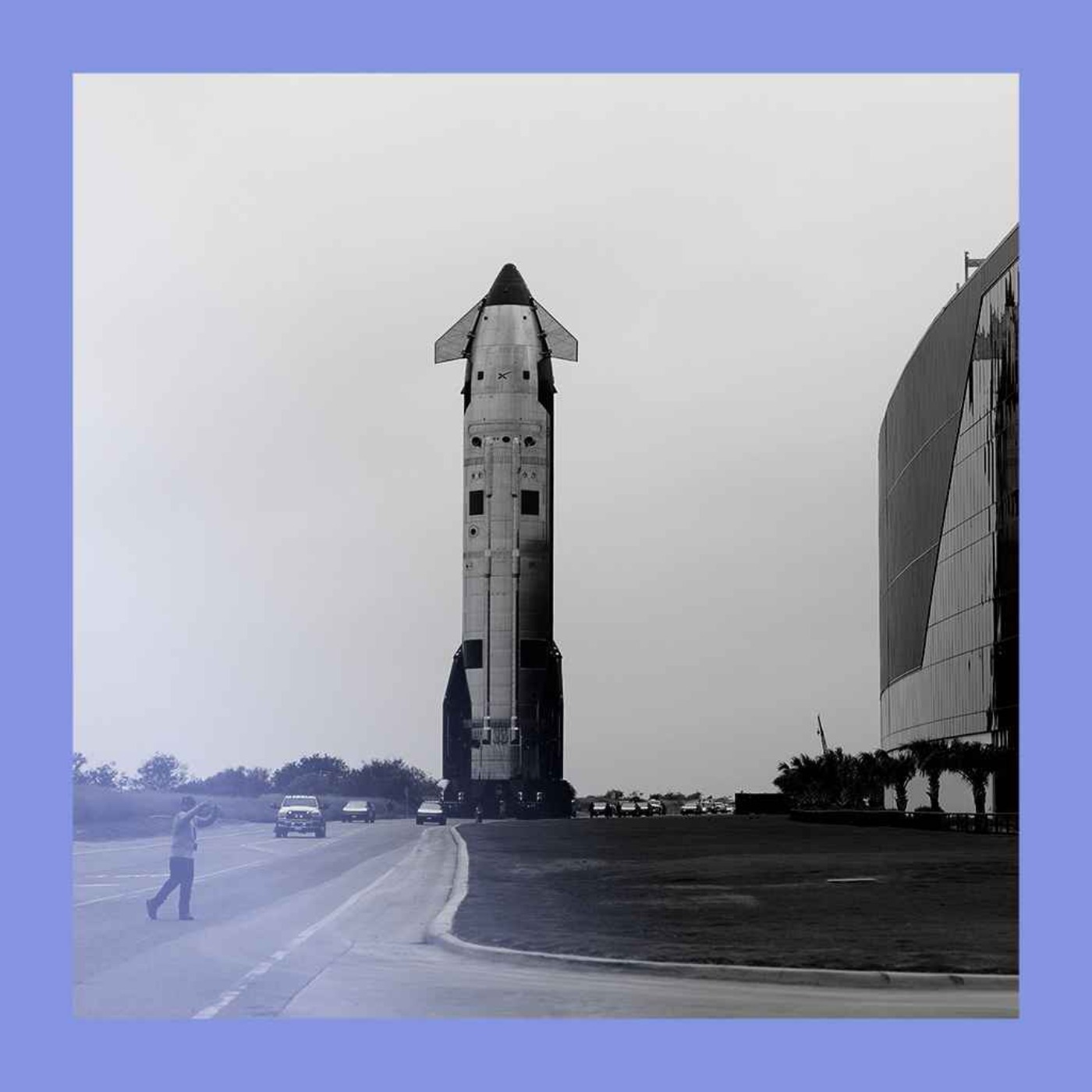
SpaceX's cash-cow, Starlink, is facing network congestion due to rapid growth. The solution requires larger satellites that are too big for the current Falcon 9 rocket. The success of the much larger, reusable Starship is therefore a critical bottleneck for unlocking Starlink's future profitability and expansion.
Starlink's long-term growth isn't from high-paying rural internet users. The financial model projects acquiring 1.1 billion users by 2040 through a "direct-to-device" strategy for phones and cars. This requires accepting a much lower average revenue per user ($3-5/month) in exchange for massive scale.
Starlink's S1 filing revealed that Average Revenue Per User (ARPU) declined as it used discounts to rapidly acquire customers. The company is now increasing prices to boost revenue, but this move puts its impressive subscriber growth at risk, creating a classic growth-versus-profitability dilemma.
SpaceX’s mastery of rocket launches, which reduced costs by over 50x, is not just a service they sell. It's a strategic advantage that enables their highly profitable, high-margin Starlink satellite internet business, creating a powerful, self-reinforcing flywheel where they are their own biggest customer.
