Get your free personalized podcast brief
We scan new podcasts and send you the top 5 insights daily.
Creating lounges or elaborate activations at events is a high-cost, low-ROI strategy for a new brand—it's a "big company" tactic. A startup's capital and energy are better spent on scalable digital content, where one successful video will reach far more people than a dozen physical events.

Related Insights
Gary Vaynerchuk observes that brands are now treating major events like the Super Bowl as efficient production opportunities. Instead of just hosting parties, they leverage influencers and on-site activations to generate a high volume of social content, maximizing ROI on expensive experiential marketing.

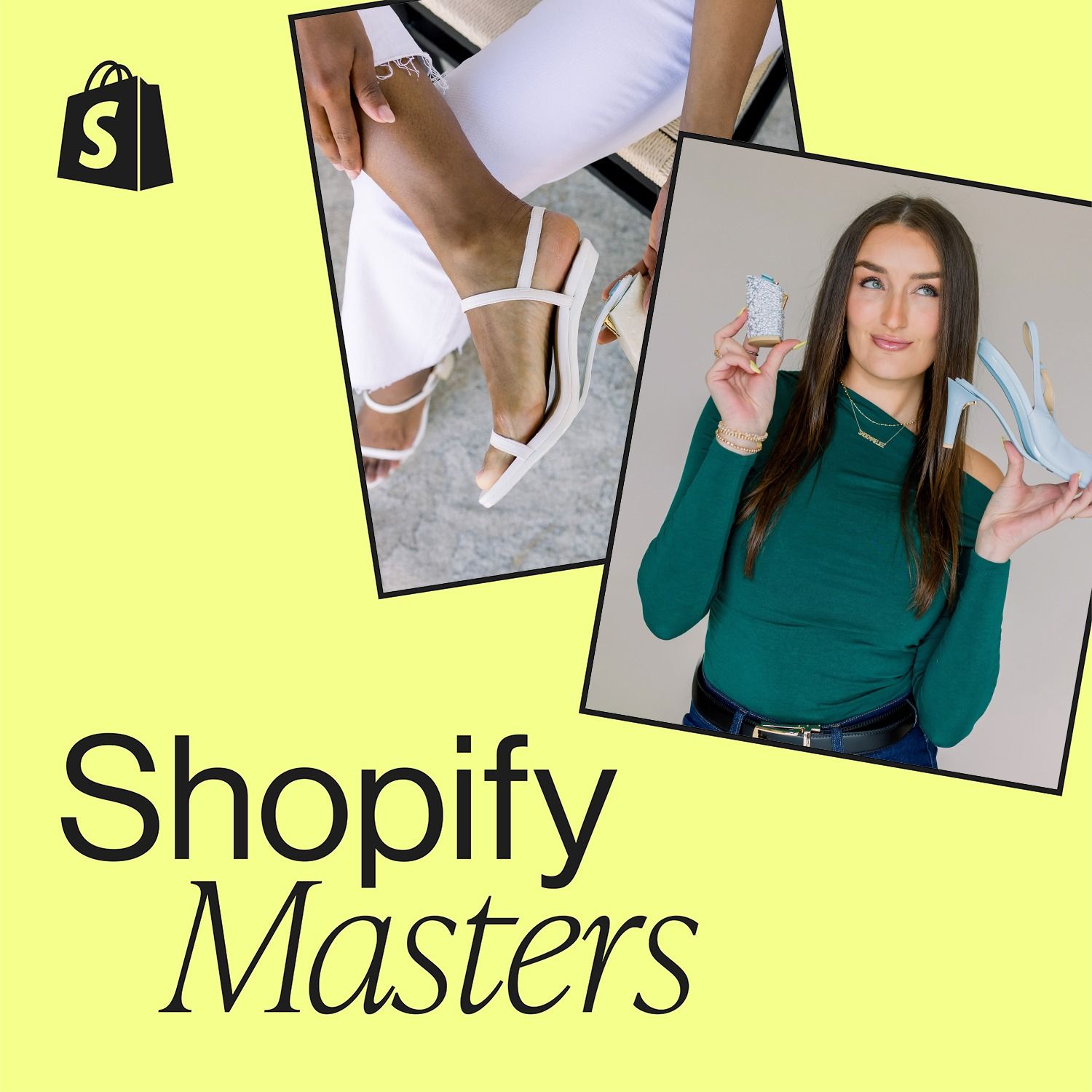
At pop-up events, founder Haley Pavoni saw a 90% purchase rate when she demonstrated her convertible shoe, versus near-zero otherwise. Realizing the demo was key, she scaled that experience by filming TikToks, creating a highly effective, zero-cost customer acquisition channel.
A single viral video on TikTok, without any paid media support, can generate enough consumer demand to sell out a CPG product nationwide. This proves organic creative now holds more direct sales power than massive, traditional campaigns.
The potential for a new, unknown account to achieve massive organic reach on TikTok is greater than it has ever been on any other major social platform, including the early days of Facebook, Instagram, or YouTube. This creates a unique, time-sensitive opportunity for brand building.
Maximize the ROI of analog events like pop-ups or conference booths by treating them as content creation opportunities. Film everything—activations, customer interactions, behind-the-scenes—to generate creative assets for social media, effectively doubling the value of the execution.
Brands maximize the ROI of expensive activations like those at the Super Bowl by reframing them as 'production days.' Instead of a one-off event, they become content engines for social media and creative campaigns, using influencers and programming to reach a much broader audience.
The true ROI of experiential marketing comes from its use as a content creation engine. Design events with the primary goal of producing a high volume of social media creative, not just for the in-person experience.
Traditional barriers to entry like retail distribution and expensive TV ads have been dismantled by social media and e-commerce. Small brands can now achieve massive sales and build nine-figure businesses without ever entering a big-box store, leveraging platforms like TikTok and Shopify.
A low-cost physical activation, like a single billboard or street posters, can be amplified 10x by documenting it and sharing the story online. The real value isn't the physical impression but the digital content it generates for a broader audience.

A smaller marketing budget can defeat a much larger one by investing in high-volume, low-cost organic social media. This strategy leverages platform algorithms to achieve massive reach that would otherwise require millions in ad spend, thus neutralizing a competitor's financial advantage.