Get your free personalized podcast brief
We scan new podcasts and send you the top 5 insights daily.
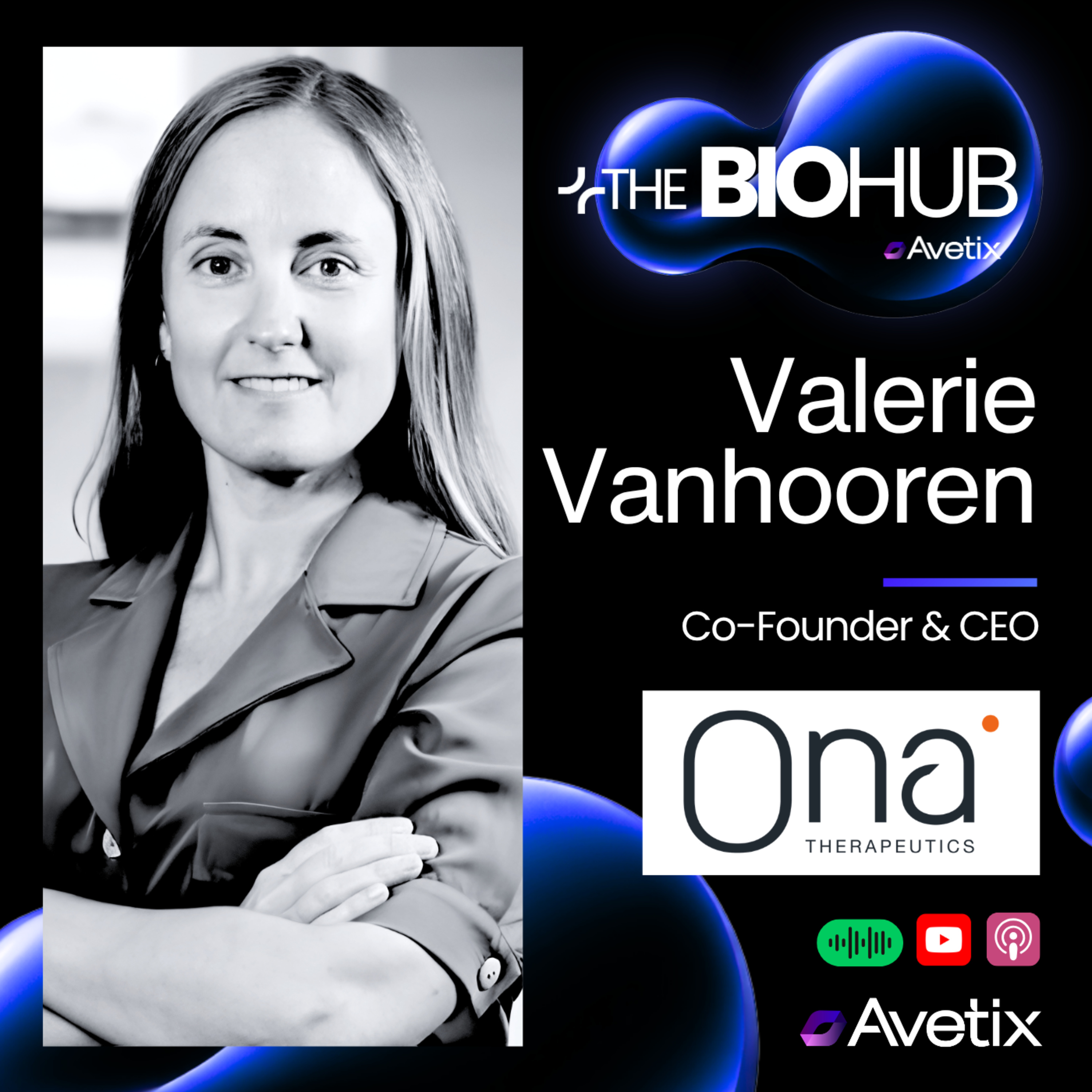
Ona Therapeutics' CEO stresses that honesty, even admitting a lack of data, is crucial when fundraising. Investors are trained to detect dishonesty. Acknowledging what you don't know and explaining your plan to find out is more effective and builds more credibility than bluffing your way through a tough question.
Related Insights
When entering a new domain, don't feign expertise. Build trust faster by openly admitting "I don't know" and explicitly leaning on stakeholders for their subject matter knowledge. This positions you as a partner who values their expertise, rather than an outsider imposing solutions.
The best founders, especially in complex fields, don't give superficial answers to secure funding. Instead, they demonstrate deep passion and expertise by enthusiastically pulling investors into the intricate details and underlying principles of their domain.
![Scott Nolan - SpaceX, Founders Fund, and Rebuilding American Uranium Enrichment - [Invest Like the Best, EP.467] thumbnail](https://megaphone.imgix.net/podcasts/5edee546-3776-11f1-b41d-a76759576e87/image/908aaa6e87baf2b3d364892c4b7f9fd8.jpg?ixlib=rails-4.3.1&max-w=3000&max-h=3000&fit=crop&auto=format,compress)
In a VC pitch, honestly admitting a knowledge gap can build more trust than attempting to bluff. It shows self-awareness and integrity, signaling to the investor that you'll be transparent when challenges arise. This candor is crucial for building the long-term founder-investor relationship.

In a fundraising environment saturated with embellished projections, radical honesty is a powerful counter-strategy. Admitting uncertainty and saying "I don't know" builds more credibility with savvy investors than presenting fabricated, overly optimistic forecasts that they can easily see through.

During diligence, an investable founder is transparent about current risks (e.g., a major customer account is in jeopardy) and presents a mitigation plan. This candor is more valuable and trust-building to an investor than a founder who projects a flawless, risk-free business.

An investor can logically agree with your pitch (belief) but still refuse to invest because they lack faith in you to execute (trust). Overcoming this final emotional hurdle is the key to fundraising, as money ultimately moves at the speed of trust.
![John Kim - How to Raise a Few Billion Dollars - [Invest Like the Best, EP.482] thumbnail](https://megaphone.imgix.net/podcasts/78e0a26e-7f00-11f1-b43d-f79b97e3a2f1/image/5948c7e5d07d7d7947673fcc8f67e552.jpg?ixlib=rails-4.3.1&max-w=3000&max-h=3000&fit=crop&auto=format,compress)
Admitting when you don't have an answer, especially during fundraising, is a powerful tool. It builds trust and credibility with potential investors. This honesty can also help identify gaps in your team or strategy that an investor might be able to help fill.

In an era where experts opine on everything, publicly admitting you lack knowledge on a topic builds immense credibility. It signals intellectual honesty and makes your stated opinions more powerful and trustworthy when you do offer them.
Infinimmune's hiring process prioritizes 'judgment under uncertainty' by actively screening for people who are comfortable admitting the limits of their expertise. Wyatt McDonnell believes a team member who is confidently wrong is far more destructive to a high-stakes project than one who can honestly identify their knowledge gaps.
Great founders turn a pitch into a collaborative discussion by asking investors to identify business weaknesses. This signals curiosity, strength, and a desire for genuine feedback over just presenting a perfect picture. It demonstrates a coachable leader who is focused on gathering data to improve.