Get your free personalized podcast brief
We scan new podcasts and send you the top 5 insights daily.
When a market-leading company faces a public crisis (like CrowdStrike's outage), it presents a rare chance to buy at a discount. A strong, visible leadership response during the crisis is a key indicator that the company will recover and thrive long-term.

Related Insights
When faced with intense public scrutiny unrelated to the product, Astronomer's leadership focused all discussions on employee support and customer assurance. This internal focus prevented any employee or customer churn, demonstrating that the core business can remain stable by ignoring external noise.

After major outages, Amazon's stock surged while CrowdStrike's plummeted. This reveals that investors tolerate failures differently based on brand perception, penalizing companies seen as critical infrastructure (CrowdStrike) more harshly than those with a "move fast and break things" tech innovator ethos (Amazon).

Events like the TSA shutdown create massive, sudden demand for Clear, similar to Peloton's pandemic boom. This is a fleeting "one shot" moment. The challenge isn't just acquiring users but building lasting value to retain them after the crisis normalizes, a test many companies fail.

A superior crisis response playbook goes beyond acknowledging a mistake and taking responsibility. To truly rebuild trust, leaders should overcorrect with a positive action that is disproportionately forceful compared to the initial error, demonstrating a profound commitment to the values that were compromised.
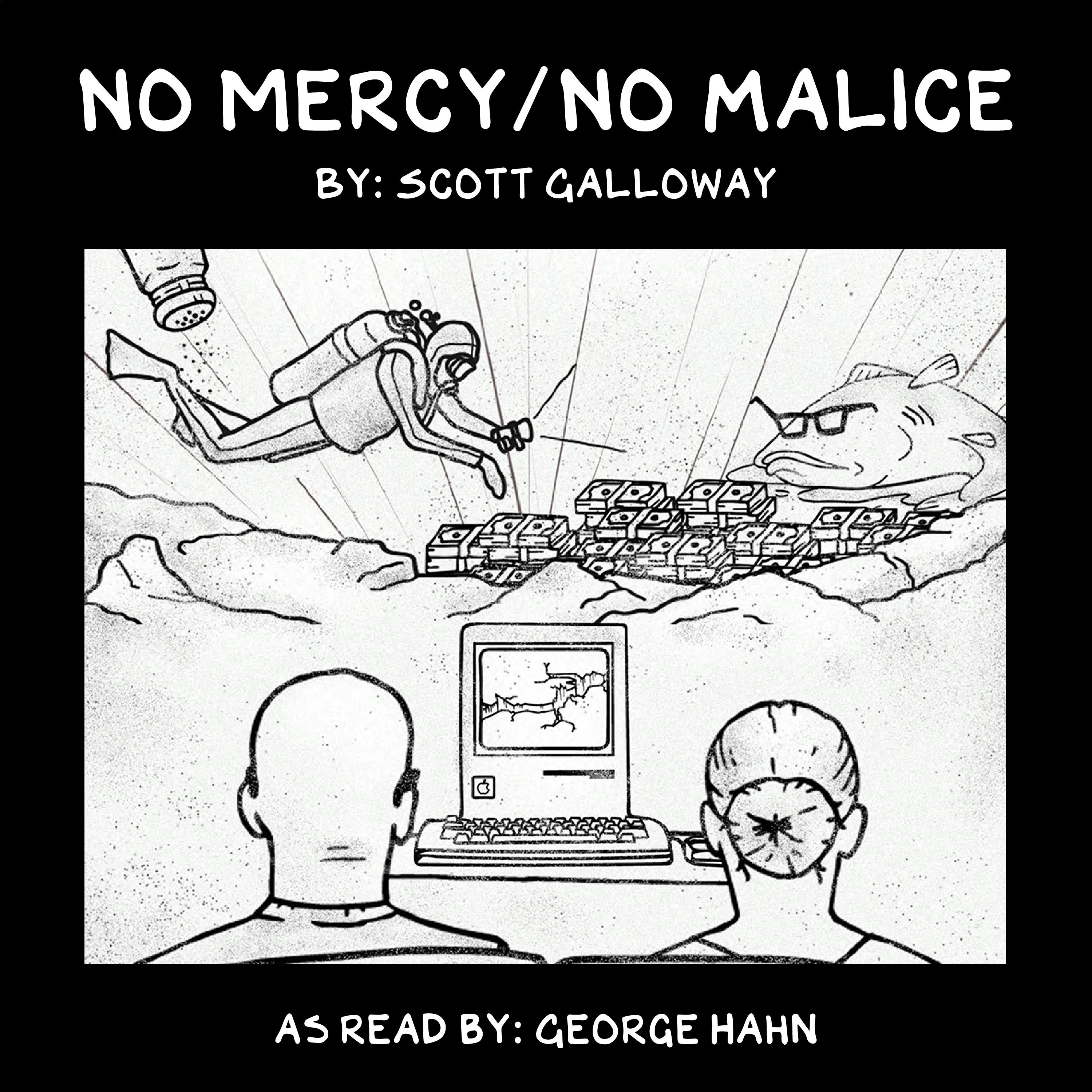
The best moments to buy are created by widespread fear and bad news, making you instinctively not want to. A great investor isn't someone who is unafraid during these times; they are someone who acts rationally despite the overwhelming emotional pressure to sell or stay on the sidelines.

During a crisis, avoid the temptation to trade based on predictions of how events will unfold. Instead, use the market volatility to purchase pre-identified, resilient companies at better prices, accelerating your existing strategy rather than creating a reactive new one.

High-profile outages at market leader AWS highlight the risk of single-vendor dependency. Competitors' sales teams leverage these events to aggressively push for diversification, arguing for better reliability and accelerating the enterprise shift to multi-cloud infrastructure.

Companies that thrive in volatile economies combine two traits. They maintain superior operational fitness (profitability, agility) to withstand shocks, and they practice "spearfishing"—waiting patiently for the peak of a crisis to seize rare, transformative opportunities like buying a weakened competitor.

During a crisis, a CEO's job is twofold. First, ensure the best people are activated and fully supported. Second, focus on high-leverage tasks only the CEO can perform, like public communication or raising emergency capital overnight.

When handling an outage or escalation, the biggest threat to customer trust isn't the problem, but a chaotic internal response. Instill a "clarity over chaos" rule by designating one leader, one channel, and one message. A calm, owned response builds more credibility than a hundred smooth weeks.