Get your free personalized podcast brief
We scan new podcasts and send you the top 5 insights daily.
Economist Daron Acemoglu notes that Dragon Systems achieved near-human natural speech recognition by 1997, yet consumers saw minimal progress over the next two decades due to corporate fraud, consolidation, and vendor pivots away from consumer applications. Technological breakthroughs in core infrastructure cannot drive widespread productivity without corresponding downstream application architectures, effective distribution structures, and active consumer feedback loops.

Related Insights
Even with superhuman AI, Dario Amodei argues the economic revolution won't be instant. The real-world bottleneck is "economic diffusion": the messy, human process of enterprise adoption, including legal reviews, security compliance, and change management, which creates a fast but not infinite adoption curve.

Despite rapid advances in AI models, Daron Acemoglu remains cautious about immediate productivity gains. He argues the real bottleneck is the sluggish development of user-friendly applications that allow small and medium-sized enterprises to adopt the technology, which is crucial for widespread economic impact.

Even if AI progress stopped today, it would take 10-20 years for the economy to fully absorb and implement current capabilities. This growing gap between what's technologically possible and what's adopted in the market creates a massive, long-term opportunity for innovators.

AI tools providing individual convenience (like finding a cheap flight) don't meaningfully show up in GDP. Real, measurable productivity gains only materialize when businesses fundamentally re-engineer their core processes to leverage the technology, much like Walmart and UPS did with computing and the internet in previous decades.

Despite incredible advances, everyday voice experiences (like on phones or in cars) feel dated. The lag isn't due to technology but a "deployment gap," where large companies are slow to integrate the latest models into consumer hardware and software, creating a disconnect between what's possible and what's available.
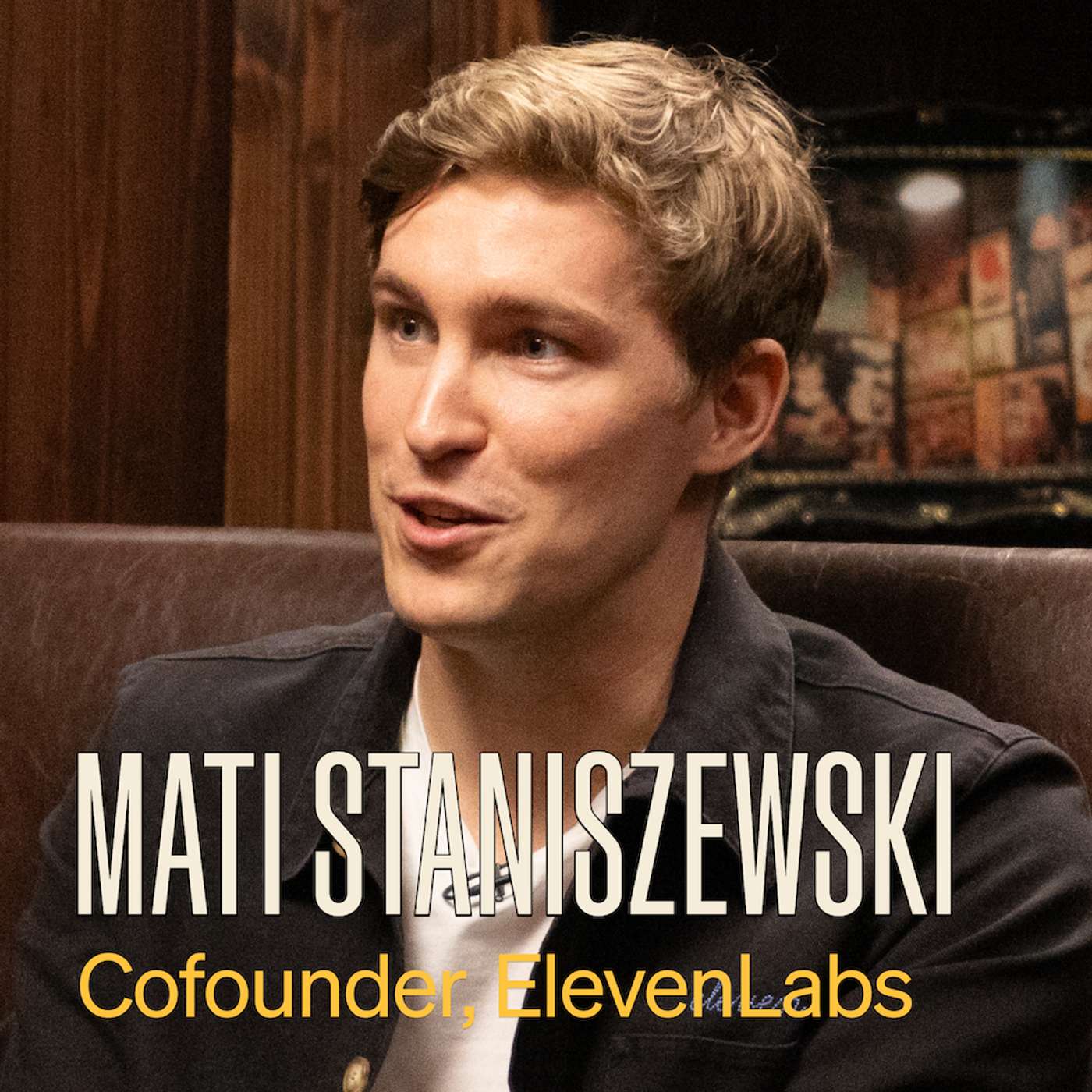
The gap between AI's potential and its real-world application is even greater in consumer hardware than in enterprise software. Incumbents like Apple iterate methodically, while challengers face multi-year manufacturing and distribution cycles, significantly delaying the adoption of advanced AI in consumer devices.

The slow adoption of AI isn't due to a natural 'diffusion lag' but is evidence that models still lack core competencies for broad economic value. If AI were as capable as skilled humans, it would integrate into businesses almost instantly.

Just as electricity's impact was muted until factory floors were redesigned, AI's productivity gains will be modest if we only use it to replace old tools (e.g., as a better Google). Significant economic impact will only occur when companies fundamentally restructure their operations and workflows to leverage AI's unique capabilities.

History shows a significant delay between tech investment and productivity gains—10 years for PCs, 5-6 for the internet. The current AI CapEx boom faces a similar risk. An 'AI wobble' may occur when impatient investors begin questioning the long-delayed returns.

While AI tools see rapid user penetration, their true economic diffusion—the reshaping of production processes—is a much slower, 10-to-12-year process. This distinction is critical, as it provides a flexible economy like the U.S. sufficient time to rebalance its labor market without catastrophic, large-scale layoffs.
