Get your free personalized podcast brief
We scan new podcasts and send you the top 5 insights daily.
AI search engines look for clear, easily framed responses to build their answers. Marketers should structure website content into small, digestible chunks (like FAQs) using simple language to make it easy for AI to parse and cite, rather than creating long, dense articles.
Related Insights
As users shift from keywords to conversational prompts in AI browsers, SEO strategy must also evolve. The focus should be on creating 'answer-ready' content that directly and comprehensively addresses likely user questions, positioning your brand as a primary source for the AI to cite.

To make product and service pages AEO-friendly, marketers should add specific structural elements. Including a 'TLDR' section, an accordion-style FAQ based on buyer questions, and direct competitor comparison content helps LLMs easily parse and surface key information.

Despite a drop in raw traffic due to AI overviews, Parser's signups are increasing. They adapt their SEO by adding AI summary buttons to blog posts (hoping to enter training data) and implementing structured FAQ data, making content easily digestible for AI.

By the time a buyer reaches your website, they've likely already been informed by AI. If your site doesn't immediately provide clear, 'answer-first' content that matches the AI-generated narrative, the buyer will experience a disconnect and leave. Old-school marketing jargon will be penalized; structured, direct answers are now mandatory.
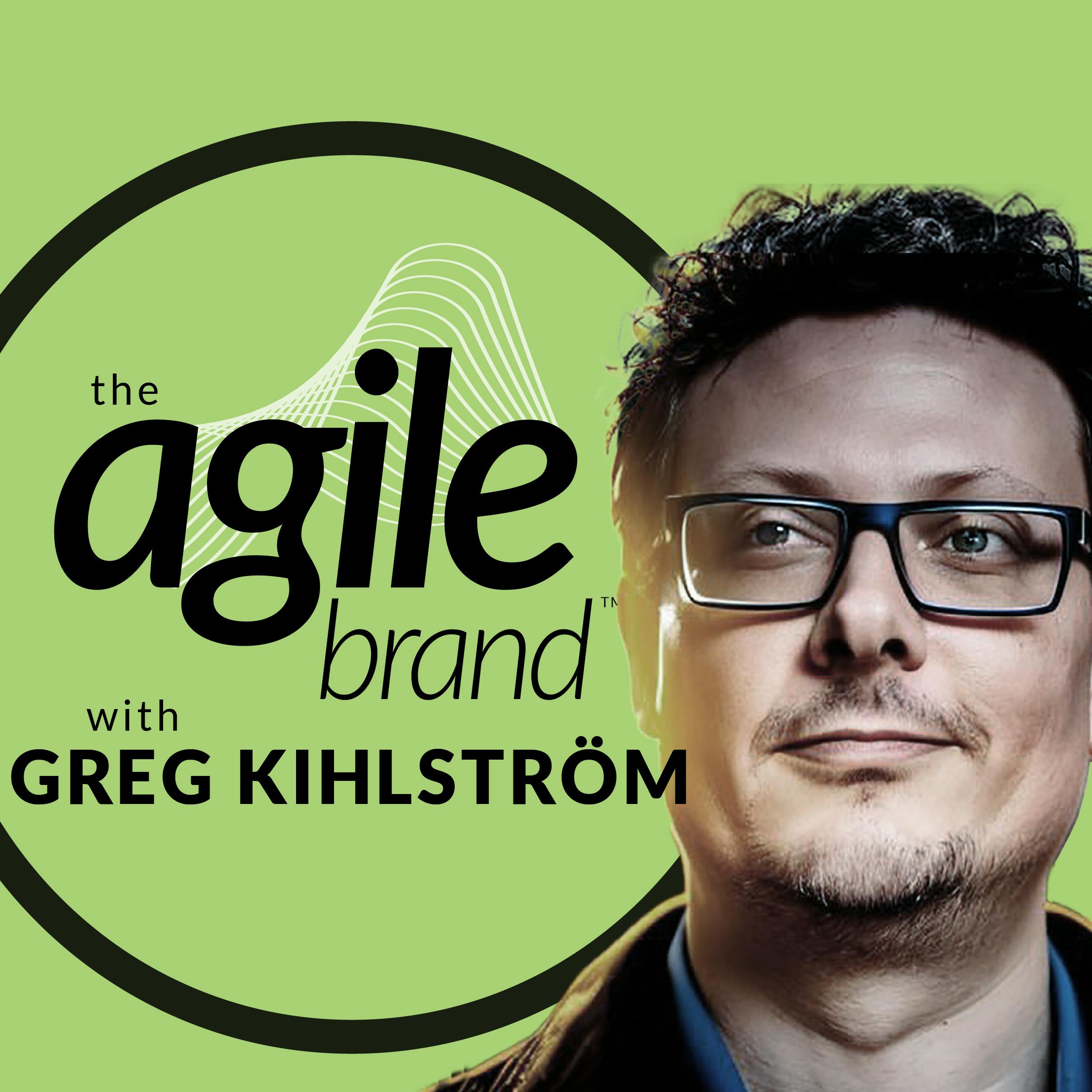
Unlike old search algorithms, new AI models function like humans, valuing clarity and consensus. Marketers must shift from rigid SEO structures to human-first content that's easily digestible and conversational to win in what HubSpot calls 'Answer Engine Optimization'.
As zero-click searches grow, traditional SEO is declining. Shift focus to AEO by creating structured, direct, citation-worthy answers to common customer questions. The goal is to be the source that AI assistants like Perplexity and ChatGPT cite, not just to rank on Google.

As users increasingly turn to AI for answers, clicks to websites are dropping. Brands must now focus on Answer Engine Optimization (AEO), structuring their site's data and content to be easily scraped and presented by AI, not just ranking for keywords in traditional search.

While Google SEO relies heavily on placing keywords in specific technical elements like title tags, AI search engines care less about keywords. They prioritize content that directly and comprehensively answers a user's question. The strategy shifts from keyword density to providing the best possible solution.

The future of search isn't just about Google; it's about being found in AI tools like ChatGPT. This shift to Generative Engine Optimization (GEO) requires creating helpful, Q&A-formatted content that AI models can easily parse and present as answers, ensuring your visibility in the new search landscape.

To increase the chances of being cited in AI search, structure content in formats that directly answer user questions. FAQs and benchmark/evaluation tools perform exceptionally well because they provide clear, structured answers that LLMs can easily parse and present to users conducting research.
