Get your free personalized podcast brief
We scan new podcasts and send you the top 5 insights daily.
In the final weeks before public launch, the Grok Bot team aggressively removed features, particularly developer-oriented visibility tools that cluttered the UI. This "unshipping" was critical for abstracting away unnecessary complexity and delivering a clean, focused user experience.

Related Insights
Grok Bot bypasses complex automation setup interfaces. Instead of users clicking through menus to define triggers and actions, they simply tell their bot in natural language, "Remind me about X every day at 8 a.m." This dramatically lowers the friction to create recurring tasks.
Instead of adding knowledge work capabilities to its successful developer tool, Cursor, the team launched Grok Bot as a separate product. This prevented a cluttered, intimidating experience for non-technical users and allowed them to build a consistent vision from scratch.
Despite OpenClaw's power and proactivity, its high maintenance overhead made it impractical. GrokBot's simple, "it just works" user experience was the decisive factor for adoption, highlighting that ease of use can trump raw capability for personal agents.
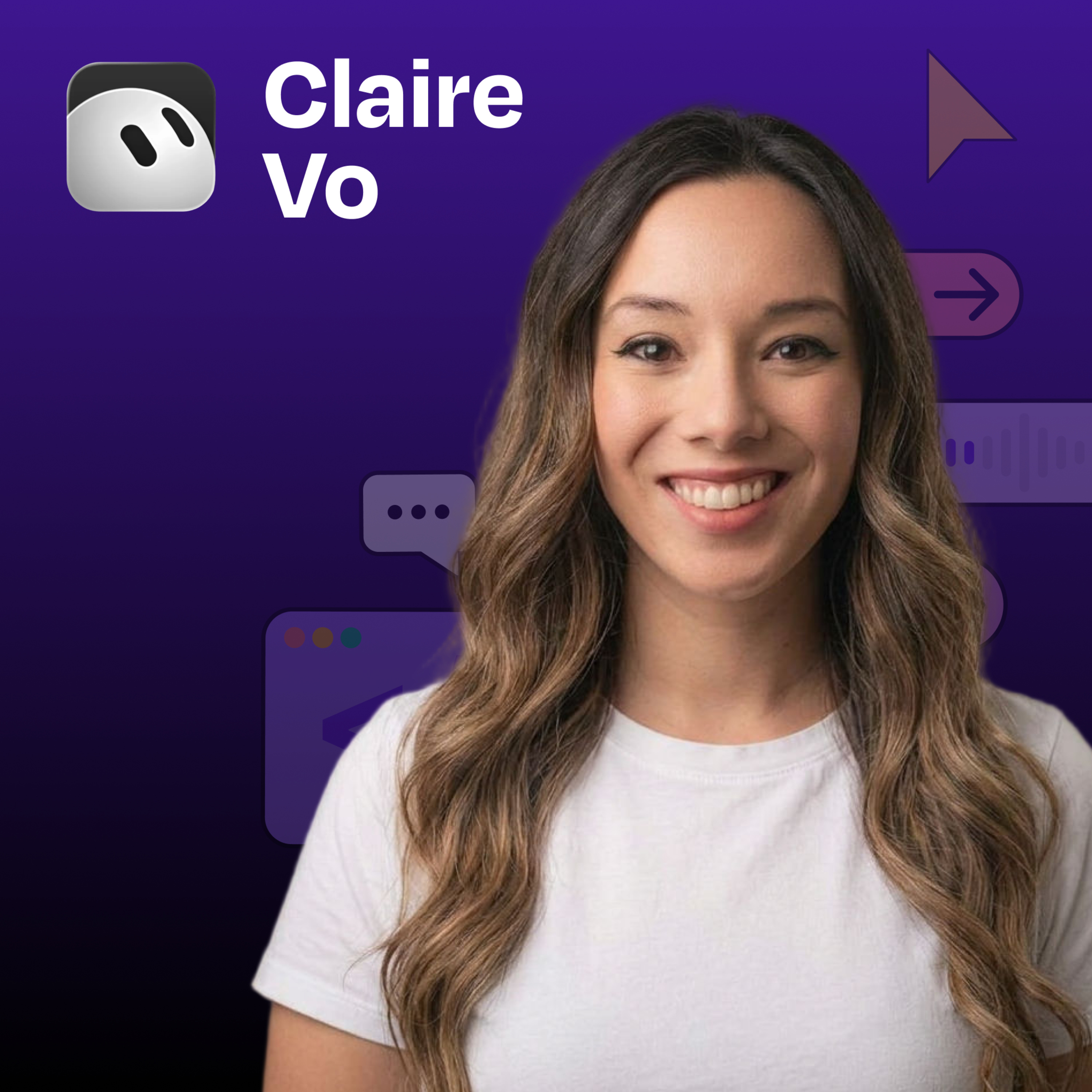
The old product leadership model was a "rat race" of adding features and specs. The new model prioritizes deep user understanding and data to solve the core problem, even if it results in fewer features on the box.
The Grok Bot core team personally conducted 200-300 onboarding calls over two weeks. This direct, high-touch process exposed painful user friction and unexpected use cases, allowing for immediate bug fixes and validation of product assumptions before a wide release.
Adopt an "unshipping" culture. If a feature doesn't meet a predefined usage bar after launch, delete it. While a small subset of users may be upset, removing the feature reduces clutter and confusion for the majority, leading to a better overall user experience.
To appeal to non-technical users, the GrokBot team consciously avoided reusing UI components from the developer-focused Cursor app. They believed the "Cursor" brand and feel were "too technical" and would deter the new consumer audience they were targeting.

The Grok Bot team avoids feature-centric thinking by framing updates as what the AI "can now" do, rather than what the product "has now." This mindset forces them to build and communicate in terms of user outcomes and delegable tasks, not just UI additions.
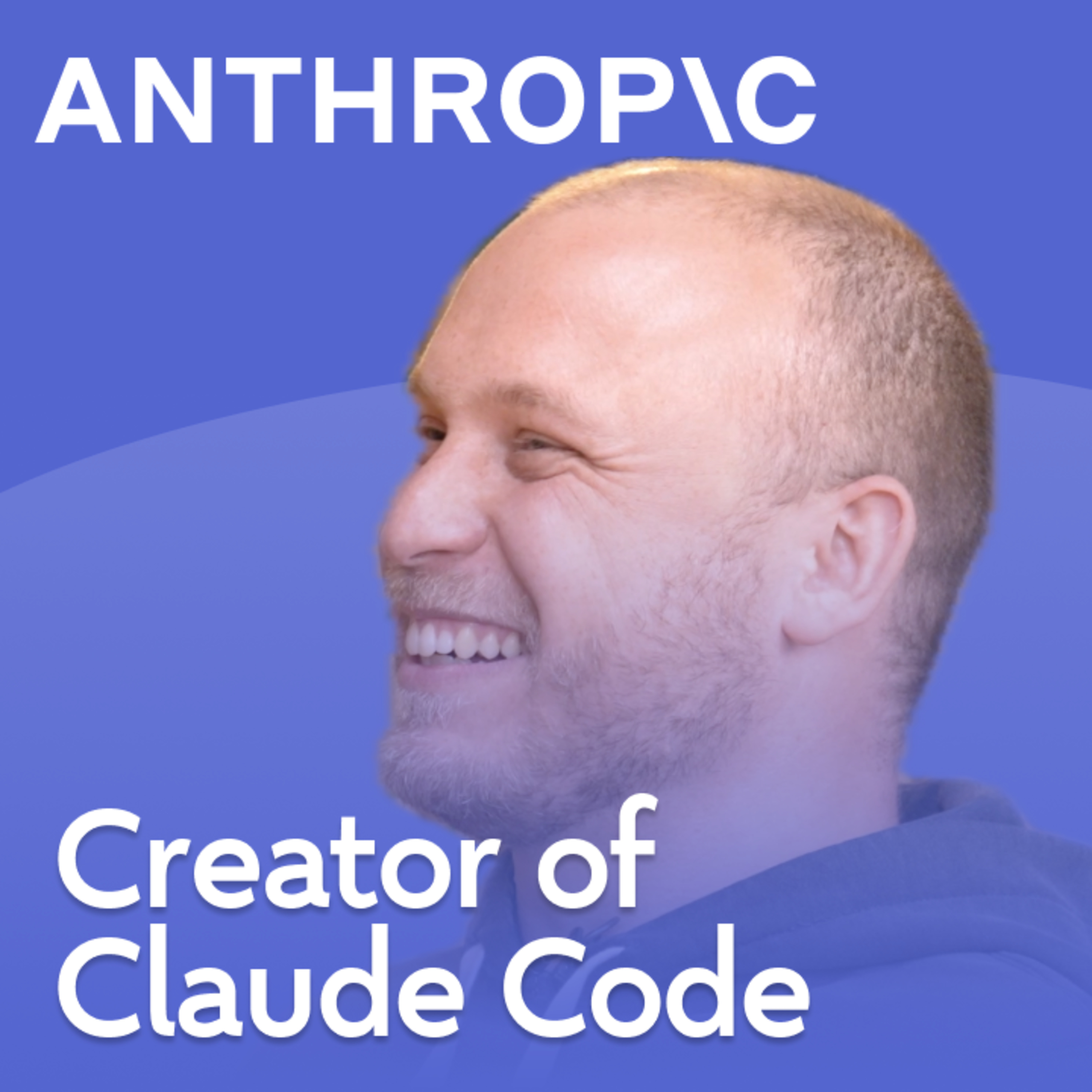
Many early AI product features, like Claude Code's initial "to-do list," are crutches built to compensate for model weaknesses. As underlying models become more capable, they perform these functions naturally, allowing teams to remove the crutch features and simplify the product.
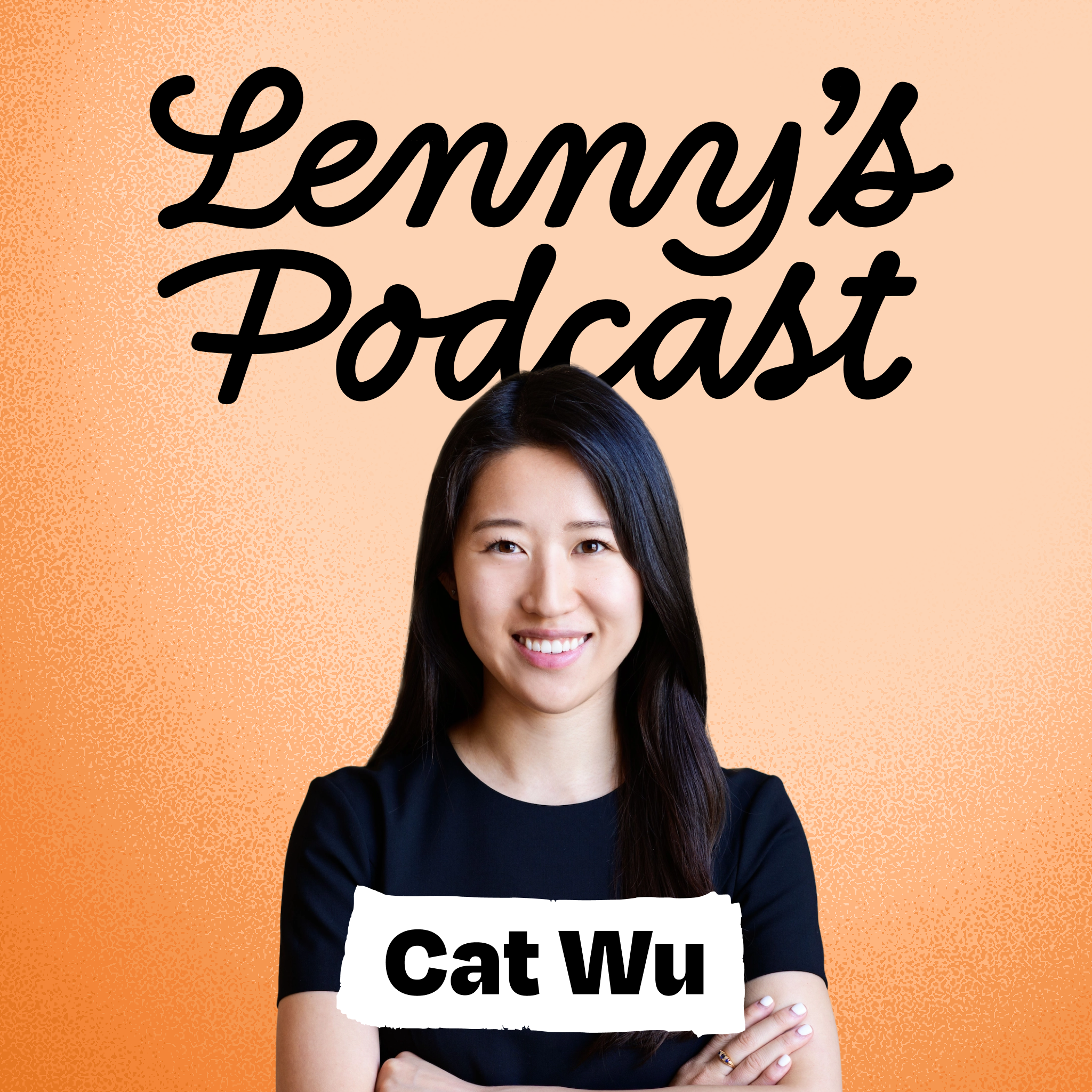
In the AI era, it's fast to generate features, risking bloat. Braintrust's CEO suggests a "carving" metaphor: start with a large, AI-generated block of functionality and then meticulously remove complexity. Most user complaints are solved not by adding more, but by simplifying and removing what's confusing.